
Views: 222 Author: Tina Publish Time: 2025-09-22 Origin: Site


Content Menu
● The Role of the Impeller in Pool Pump Operation
● Understanding Pump Impeller Technical Specifications
>> Flow Rate, Head, and Efficiency
● Types of Pool Pump Impellers
● The Impeller-Pump Motor Connection
>> How the Impeller Receives Power
>> Motor and Impeller Sizing Example
● OEM and Advanced Solutions for Pool System Designers
>> Smart Manufacturing for Modern Pool Pumps
● Installation, Maintenance, and Troubleshooting of Pool Pump Impellers
>> Step-by-Step Installation Overview
>>> Clogging Prevention & Debris Control
>>> Replacing a Worn or Broken Impeller
● Advanced Troubleshooting: Diagnosing Impeller Issues
>> Signs of Failure or Inefficiency
>> Troubleshooting Video Resources
● Pool Pump Impeller in Commercial Applications
● Pool Pump Impeller Safety and Compliance
>> Installation and Operational Safety
>> Environmental and Efficiency Considerations
● Frequently Asked Questions (FAQ)
>> Q1: How can I tell if my pool pump impeller needs cleaning or replacement?
>> Q2: What is the recommended maintenance schedule for a pool pump impeller?
>> Q3: How do I select the right impeller for my pool filtration setup?
>> Q4: Can I perform impeller maintenance and replacement without a technician?
>> Q5: What are the risks of running a pool pump with a blocked or damaged impeller?
>> Q6: What improvements do smart or inverter pumps bring to impeller operation?
The impeller inside a pool pump is a critical yet often overlooked component that underpins the effectiveness of any pool water circulation and filtration system. This article offers a deep dive into the impeller's function, technical characteristics, types, installation, maintenance, and troubleshooting—providing valuable knowledge for pool owners, service professionals, and commercial filtration solution providers alike.[8][9][10]
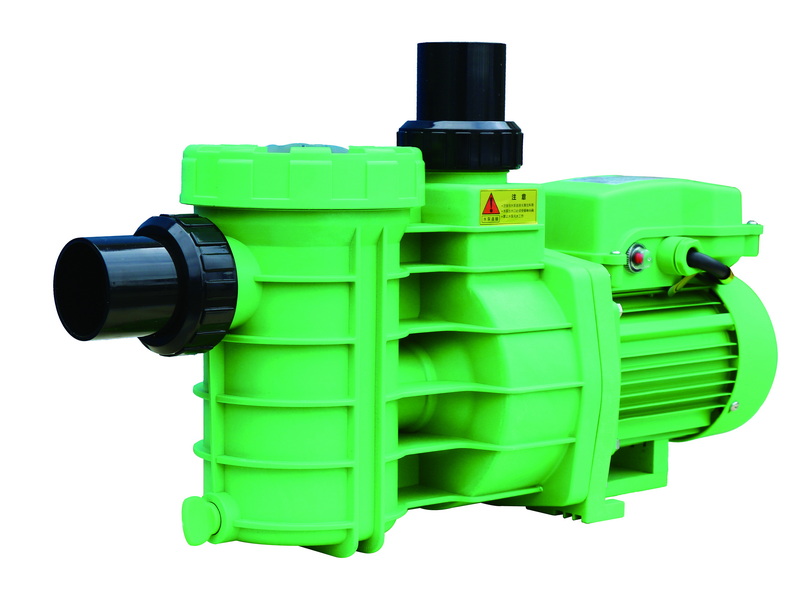
A pool pump impeller is a round, finned disk, centered on the pump's motor shaft. Its blades, or vanes, are engineered to harness centrifugal force: as the impeller spins, it draws water in through its central “eye” and forces it outward at speed into the pump housing, creating water pressure that circulates pool water through the filter and all return jets.[10][11][12][8]
This mechanism ensures:
- Efficient removal of debris and contaminants.[8]
- Even dispersal of chemical treatments.
- Consistent circulation, preventing stagnation, algae, and bacteria growth.[9]
High-quality impellers are crafted from specialized, corrosion-resistant materials. For pool applications, impellers are typically made from:
- Reinforced engineered plastics (for chemical and corrosion resistance).
- Brass or bronze (used in premium industrial or commercial pools).
- Stainless steel (common in high-velocity or specialty filtration contexts).[1]
Selection is based on expected chemical exposure, flow requirements, and budget. A well-chosen impeller paired with an advanced pump body ensures longevity and reliability.
The performance of any pool pump impeller is characterized by several technical parameters:[6][1]
- Flow Rate (GPM or m³/h): The volume of water the impeller moves per minute or hour at set working conditions.
- Head (Feet or Meters): The “push” or pressure the impeller can generate against resistance in the filtration system.
- Power and Efficiency: The impeller must match the output and speed of the electric motor, operating close to its “best efficiency point” for maximum energy savings.
- Durability: Modern impellers are optimized to withstand frequent stop-start cycles and exposure to pool chemicals.[1]
Manufacturers often offer detailed performance charts showing how an impeller's head and flow change with system resistance and pump speed.
When selecting a pool pump and impeller combination:
- Choose impellers and housings certified for corrosion and wear resistance.
- Ensure flow rates and head match both filtration and backwashing needs.
- Favor impeller and pump designs enabling easy maintenance and secure sealing.[1]
Proper sizing prevents energy waste, noise, and premature wear.
Modern pool pump impellers can be classified as:
| Impeller Type | Application & Typical Use |
|---|---|
| Open | For trash and solids, rare in pools due to potential for leakslesliespool. |
| Semi-Open | Used in some older or low-flow pool pumpslesliespool. |
| Closed | Standard in new, efficient pool pumps for maximum water movementlesliespool. |
Closed impellers—a hub with two discs encasing the vanes—are favored for swimming pools as they maximize hydraulic efficiency and minimize bypass and leak flows.[8][1]
All impeller types require matching motors, typically electrical, designed for pool environments:
- Single-speed motors: Operate the impeller at a constant speed, suitable for consistent filtration but less efficient.[5]
- Dual-speed and variable-speed motors: Allow the impeller to run at lower speeds (for filtration) and higher speeds (for cleaning and water features), reducing energy consumption and extending component life.[5]
Correct motor-impeller pairing is essential: oversizing can waste energy and cause noise and vibration, while undersizing can result in low flow, overheating, and impeller stress.
If a pool requires a pump with a total horsepower (HP) of 2.0, the impeller and the pump motor must each be certified to handle at least that load. Manufacturers provide detailed charts to ensure compatibility and optimal operation.[4][5]
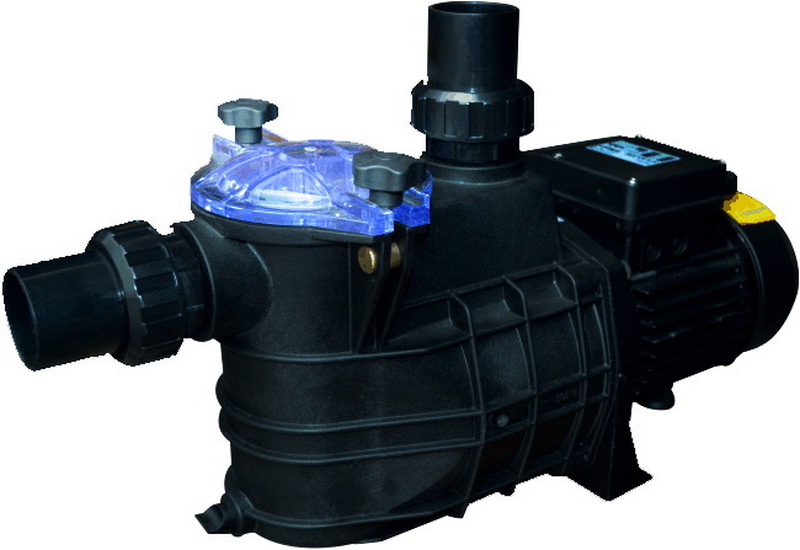
Global pool pump manufacturers and advanced OEMs—like those in China exporting to international brands—now automate impeller production using CNC machinery and strict QC processes. Industry leaders emphasize:
- Use of premium materials for both impeller and pump casing construction.[1]
- Precision machining and balancing for vibration-free performance.[1]
- Integration of smart controls and variable speed support for energy efficiency and quiet operation.[1]
These elements are vital for brand partners, wholesalers, and manufacturers seeking to deliver top-tier filtration systems and accessories.
Proper installation is essential for safe and reliable operation:
- Position the pump and impeller assembly on a firm, level base, with vibration-damping pads.[1]
- Ensure all flanges, couplings, and seals are properly aligned and tightened.
- Connect inlet and outlet piping with flexible shock-absorbing joints and install pressure gauges to monitor performance.[1]
The number one cause of poor performance is clogged or obstructed impellers. Strainer baskets, regular skimming, and robust pool covers all help minimize debris entering the pump.
- Periodically, shut off and isolate the pump, remove the housing, and carefully clear debris from the impeller using soft brushes or tweezers.[12][10]
- Always inspect for wear, cracks, or chemical erosion, especially at the impeller eye and vanes.[13]
- Safely disconnect the electrical supply.[10]
- Remove the motor from the pump housing to access the impeller (consult the pump manual).
- Unscrew or unclip the impeller from the motor shaft, install the replacement, ensuring all seals and O-rings are correctly seated.[14]
- Lubricate seals as recommended by the OEM.
- Align the impeller and shaft carefully to prevent vibration.
- Always use genuine or OEM-compliant parts for replacements to avoid compatibility and durability issues.[15]
- Running the pump dry or with a partially blocked strainer can quickly damage the impeller.[12]
- Pool water murkiness despite adequate pump runtime.
- Low pressure at the filter gauge, weak returns, or poor skimmer suction.[16][17]
- Unusual whining noises or excessive vibration, indicating imbalance or loose hardware.[9]
- Overheating or frequent motor shutdowns (motor strain due to blockage or mechanical resistance).[17][9]
- Swimming Pool Service Tip: Unclogging Your Impeller[18]
- How to Unclog Your Pool Pump Impeller[19]
- How Pool Pumps Work: PoolPlaza.com[11]
- How to Replace a Pool Pump Impeller[14][15]
- Unclogging a Pump Impeller[20]
- Low Filter Pressure, Pool Pump Impeller Cleaning[21]
Utilize these guides to visualize each stage of impeller inspection, cleaning, and replacement, ensuring best practices and minimizing downtime.
Modern pool and spa facilities—hotels, aquatic centers, luxury resorts, and wellness spas—rely on robust pump systems. In these higher-demand settings:
- Redundant or multi-pump setups ensure uninterrupted circulation, even during peak usage or equipment maintenance.[1]
- Frequency inverters and digital controllers for pump speed optimization greatly improve energy efficiency.
- Waterfall systems, therapy pools, or large water features often employ high-head, multi-stage impeller pumps to ensure adequate flow.
For large-scale installations, partnering with OEMs capable of custom-engineering impeller size, material, and motor compatibility gives brands a competitive advantage in both efficiency and durability.
- Ensure compliance with local and international safety codes when installing and operating pool pump systems.
- Regularly test and service all electrical connections and overload protection devices to prevent electrical accidents.
- Install clear signage and access barriers in commercial settings to minimize accidental or unauthorized tampering.
Today's best practice emphasizes quiet operation, high efficiency, and the use of eco-friendly materials. Energy-saving inverter pumps, together with well-designed impellers, can drastically reduce a pool's operational carbon footprint and operating costs.[5][1]
The pool pump impeller is the driving heart of every filtration and water circulation system, converting motor energy into reliable, efficient, and continuous flow. Understanding its technical requirements, choosing the right material and motor pairing, and maintaining careful installation and upkeep are key to maximizing both performance and equipment lifetime. For both residential and commercial users—or OEM partners providing advanced pool filtration solutions—prioritizing quality impeller selection, proactive maintenance, and technological innovation guarantees sparkling, healthy swimming environments well into the future.[12][8][1]
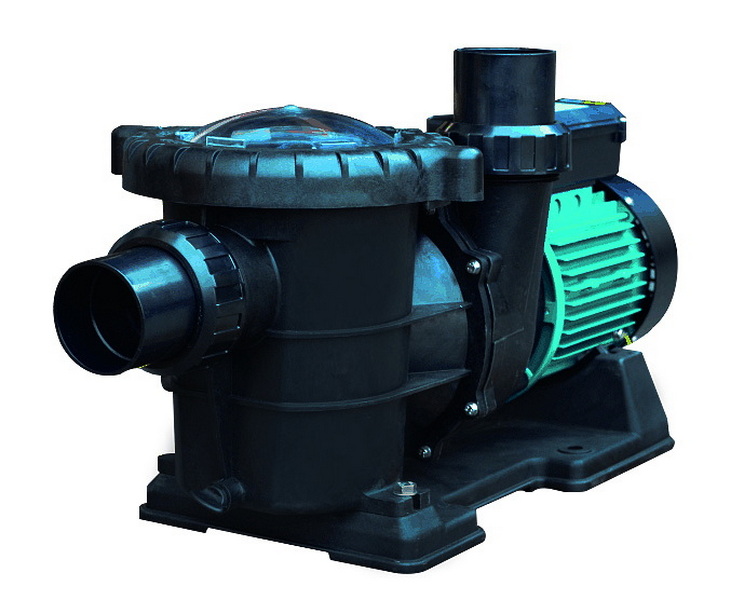
Signs include low water flow, weak filter pressure, unusual pump noises, and visible debris in the pump housing.[16][10][12]
Check the pump strainer weekly and inspect the impeller for debris or wear at least once per pool season, or after major storm events.[10][12]
Consider pool size, required flow rate, system head, pump motor match, and ensure construction with corrosion-resistant materials.[4][1]
Basic cleaning is owner-friendly for most models, but replacement, especially in commercial setups, is best left to professionals.[15][14]
Running with a blockage or damaged part may cause permanent pump or motor damage, poor water quality, overheating, and increased energy costs.[17][9]
They allow impellers to operate at varied speeds, reducing energy use, extending lifespan, and lowering system noise, particularly important for energy-conscious users.[5][1]
Choose heavy-duty, multi-stage impellers, plan for redundancy, use frequency inverters for motor control, and schedule rigorous maintenance for peak reliability.[1]
[1](https://www.aquagem.com/news/guidelines-to-pumps-for-swimming-pools)
[2](https://www.inyopools.com/Products/07501352019891.htm)
[3](https://www.poolweb.com/products/impeller-for-10-hp-eq-pump)
[4](https://www.poolzoom.com/impeller-2-hp-max-rate-1-1-2-hp-full-rate.html)
[5](https://lesliespool.com/blog/understanding-pool-pump-motors.html)
[6](https://www.poolwarehouse.com/shop/jacuzzi-05380506r-full-rated-pump-impeller-3-hp/)
[7](https://ottersprings.com/Pump-1-3ohp-0-5thp-SPX2600C-e-584720)
[8](https://lesliespool.com/blog/how-does-a-pool-pump-work.html)
[9](https://professionalaquaticservices.com/what-causes-pool-pump-impeller-failures/)
[10](https://beatbot.com/blogs/robotic-pool-cleaner/how-to-clean-a-pool-pump-impeller)
[11](https://www.youtube.com/watch?v=m0pwd-qNfMs)
[12](https://www.memphispooldelivery.com/pages/cleaning-a-pool-pump-impeller)
[13](https://professionalaquaticservices.com/pool-pump-impeller-keeps-breaking/)
[14](https://www.youtube.com/watch?v=4sG2eBEq7PY)
[15](https://www.youtube.com/watch?v=QsbzmB5rpwY)
[16](https://intheswim.com/blog/clogged-pool-pump-impeller.html)
[17](https://lesliespool.com/blog/pool-pump-troubleshooting-guide.html)
[18](https://www.youtube.com/watch?v=aFcNIoQDf4s)
[19](https://www.youtube.com/watch?v=vsqdOuQQZs8)
[20](https://www.youtube.com/watch?v=1xuGFGDJBmA)
[21](https://www.youtube.com/watch?v=OWZJsIR_0CQ)


