
Views: 222 Author: Tina Publish Time: 2025-07-15 Origin: Site


Content Menu
● What Is the Recirculate Function?
● How Does Recirculation Work?
● Key Benefits of Using Recirculate Mode
● When Should You Use Recirculate on Your Pool Pump?
● Recirculate vs. Filter: What's the Difference?
● Step-by-Step Guide to Activating Recirculate Mode
● Maintenance Tips for Optimal Recirculation
>> 1. What is the main purpose of the recirculate setting on a pool pump?
>> 2. When should I use the recirculate mode instead of the filter mode?
>> 3. Does recirculate mode clean the pool water?
>> 4. Can I leave my pool pump on recirculate all the time?
>> 5. Will using recirculate save energy?
Maintaining a sparkling, healthy swimming pool requires more than just adding chemicals and skimming leaves. At the heart of every well-maintained pool is a pump system designed to circulate water efficiently. Among the various settings on a pool pump, the recirculate function often causes confusion for pool owners. This comprehensive guide will explore what the recirculate mode does, when and why to use it, its benefits and limitations, and how it compares to other pump settings. Visual explanations are integrated throughout to enhance understanding, and a detailed FAQ section addresses common concerns.
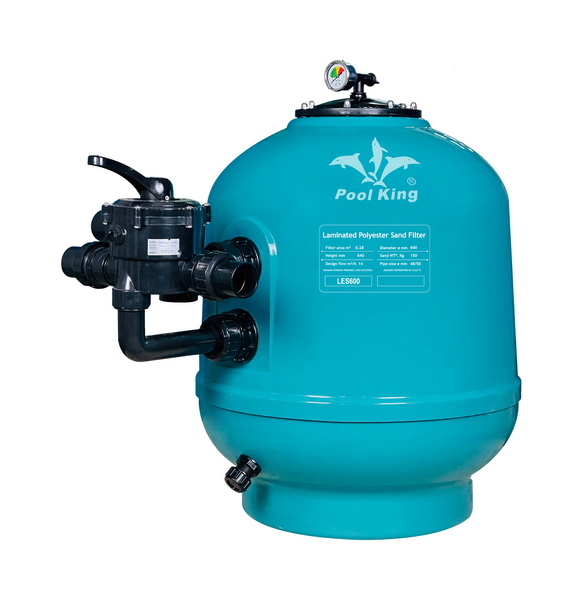
The recirculate setting on a pool pump allows water to move directly from the pool, through the pump, and back into the pool without passing through the filter media. This means the water is circulated quickly, but debris and particulate matter are not removed during this process. It is essentially a bypass mode for the filter system, useful for specific maintenance or chemical treatment scenarios.
When the recirculate mode is activated, the multiport valve redirects the flow of water so it bypasses the filter entirely. Water is drawn from the pool, passes through the pump, and is returned to the pool via return jets. This creates a rapid circulation pattern that moves water efficiently but does not filter out dirt, debris, or contaminants.
The pool's circulation system normally works by pulling water from the pool through the skimmer and main drain, pushing it through the pump, then through the filter, and finally returning clean water back to the pool. The multiport valve acts like a traffic controller, directing water flow depending on the chosen setting—filter, backwash, waste, or recirculate. In recirculate mode, water flow is directed to bypass the filter and return directly to the pool, maintaining movement but skipping filtration.
- Quick Chemical Distribution: When you add chemicals such as chlorine or algaecides, recirculate mode helps disperse them evenly throughout the pool water much faster than filter mode because water is circulated rapidly without filter resistance.
- Bypass Clogged or Malfunctioning Filters: If the filter is clogged, dirty, or undergoing maintenance, recirculate mode allows water to keep moving without putting strain on the filter system.
- Efficient Mixing: It helps mix chemicals or balance water temperature, especially in larger pools or after shock treatments.
- Energy Savings: Since water bypasses the filter, the pump faces less resistance, which can reduce energy consumption during short-term use.
- Support During Maintenance: Keeps water circulating when the filter is offline for cleaning, repair, or replacement, preventing water stagnation that encourages algae and bacteria growth.
- After Adding Chemicals or Shocking the Pool: To ensure chemicals are evenly distributed throughout the pool water without clogging the filter with chemical precipitates.
- During Filter Maintenance or Cleaning: When the filter is removed or being cleaned, recirculate mode keeps water moving to avoid stagnation.
- Severe Algae Blooms or Debris Overload: If algae or debris is overwhelming the filter, recirculate mode can be used temporarily to avoid constant backwashing or filter damage.
- Testing Pool Equipment: When testing heaters, chlorinators, or other equipment, recirculate mode allows water flow without filtering.
- Temporary Circulation Needs: During pool parties or minor maintenance tasks where filtration is not critical but water movement is necessary.
| Feature | Recirculate Mode | Filter Mode |
|---|---|---|
| Water Path | Bypasses filter, returns directly to pool | Passes through filter media before returning |
| Debris Removal | No removal of debris or particulates | Removes dirt, leaves, and impurities |
| Chemical Mixing | Rapid, even distribution | Slower, as water moves through filter |
| Use Case | Chemical dispersal, maintenance, emergencies | Routine cleaning and day-to-day operation |
| Energy Use | Lower (no filter resistance) | Higher (pushing water through filter) |
| Water Quality | Does not improve water clarity | Improves water clarity and sanitation |
1. Turn Off the Pool Pump
Always power down the pump before changing settings to avoid damaging internal components.
2. Locate the Multiport Valve
This is typically a circular dial on the filter tank with multiple settings including filter, backwash, rinse, waste, and recirculate.
3. Set to Recirculate
Press down on the handle and turn it to the recirculate position. Ensure it locks in place.
4. Restart the Pump
Turn the pump back on. Water will now bypass the filter and return directly to the pool.
5. Monitor Operation
Watch for leaks or unusual noises, and ensure smooth water flow.
6. Return to Normal Operation
Once recirculation is complete, turn off the pump, reset the valve to filter, and restart the pump for normal filtration.
- Leaving Recirculate On Too Long: Extended use can lead to debris buildup in the pool since no filtration occurs, which can cause cloudy water and require more extensive cleaning later.
- Using Recirculate for Routine Cleaning: This setting does not remove dirt or debris and should not replace regular filtration cycles.
- Changing Valve Settings While Pump Is Running: Always turn off the pump before switching modes to prevent damage to the multiport valve and pump.
- Ignoring Water Chemistry: Recirculate helps distribute chemicals, but you must still test and balance water regularly to maintain safe and clear water.
- Neglecting Filter Maintenance: Using recirculate because of a dirty filter without cleaning or replacing the filter can cause long-term water quality problems.
- Regularly Inspect Pump and Valves: Check for leaks, wear, and proper operation of the multiport valve and pump seals.
- Clean Strainers and Baskets: Prevent clogs that could restrict flow and reduce pump efficiency.
- Monitor Water Level: Ensure the pool water is at the correct height for optimal circulation and pump suction.
- Schedule Annual Servicing: Have a professional inspect and service your pump and filter system annually to ensure longevity and performance.
- Use Quality Equipment: Choose energy-efficient, saltwater-compatible pumps if your pool uses salt chlorination or seawater.
Understanding the recirculate function on your pool pump empowers you to maintain a cleaner, healthier, and more efficient swimming pool. While recirculate mode is invaluable for quick chemical distribution, filter maintenance, and emergency situations, it should never replace regular filtration. By using this setting wisely and following proper maintenance protocols, you can enjoy sparkling water and a well-functioning pool system year-round.
The recirculate setting moves water through the pump and back into the pool without passing through the filter. Its main purpose is to quickly distribute chemicals, mix water, or keep water moving when the filter is unavailable or being serviced.
Use recirculate after adding chemicals, during filter maintenance, or when dealing with severe algae blooms that could clog the filter. It's also useful for testing equipment or circulating water during minor maintenance tasks.
No, recirculate mode does not remove debris or particulates from the water. It only circulates water, so dirt and debris remain in the pool until the filter mode is used.
No, recirculate should only be used for short periods. Extended use can lead to dirty, cloudy water because no filtration occurs. Return to filter mode for regular cleaning and maintenance.
Recirculate mode can save energy during specific tasks because the pump doesn't have to push water through the filter. However, it should not replace routine filtration, which is essential for clean, safe pool water.


