


Content Menu
● Materials And Design Features
● Key Advantages Of Pool Filter Balls
>> Comparison Of Filter Balls And Sand
● Installation And Replacement In Sand Filters
● Compatibility And Limitations
● Environmental And Operational Benefits
● When To Choose Pool Filter Balls
● How A Professional OEM Factory Can Help
● FAQ
>> 1. What exactly are pool filter balls?
>> 2. Are pool filter balls better than sand?
>> 3. How many filter balls replace my sand?
>> 4. How long do pool filter balls last?
>> 5. Can I wash and reuse pool filter balls?
>> 6. Are pool filter balls safe for saltwater systems?
>> 7. Do pool filter balls work in all sand filters?
What are pool filter balls? They are lightweight synthetic fiber spheres that replace traditional sand in a sand filter, offering finer filtration, easier handling, and reduced backwashing for residential pools.[1][2]
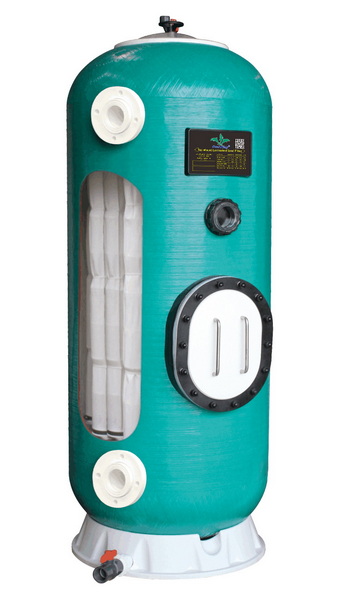
Pool filter balls are small, fluffy spheres made from synthetic fibers such as polyethylene that serve as an alternative filter media to sand or glass in swimming pool filtration systems. Instead of thousands of kilograms of sand, a sand filter tank can be filled with a much smaller quantity of these balls, which trap dirt and debris as pool water passes through them.[3][2][1]
In many modern residential pools, filter balls are used to upgrade existing sand filters without changing the tank or plumbing. They are particularly popular for above‑ground pools and smaller backyard pools where users want easier maintenance and better water clarity.[4][2][1]
Pool filter balls work on the same basic principle as sand: water is pushed by the pump through the filter media, which captures suspended particles, and then cleaner water returns to the pool. The key difference is that the fibers in each ball interlock and create a dense yet porous matrix that can trap much finer particles than standard silica sand.[2][4][1]
Typical filter sand catches dirt in the 20–40 micron range, while many filter ball products claim to capture particles down to around 3–5 microns, resulting in visibly clearer water. Because the balls do not pack and harden like sand, water flows more evenly through the media bed, which helps reduce channeling and improves overall filtration efficiency.[5][4][3][1]
This working principle makes filter balls especially useful for pools that frequently suffer from cloudy water or very fine debris such as pollen, dust, and cosmetic residues. In practice, many users notice lower filter pressure and higher flow rate after switching from sand to filter balls, which can also reduce energy consumption.[6][3][2][1]
Most pool filter balls are made from 100% polyethylene or a blend of thermally bonded polyester‑type fibers, which are chemically resistant and do not break down easily in pool water. This composition ensures that the fibers remain stable when exposed to chlorine, salt, and standard pool chemicals, and that they do not shed into the water.[3][2][1]
The spherical design maximizes surface area while keeping each piece very light, so the media can move slightly as water flows through, constantly presenting new fiber surfaces to trap particles. Because of their softness and non‑abrasive nature, filter balls are gentle on the filter's internal components, reducing the risk of damage to laterals and standpipes compared with hard, angular sand grains.[4][1][3]
Pool filter balls offer several practical benefits compared with traditional sand, especially for homeowners seeking easier maintenance and improved water clarity.[3][1]
- They are much lighter than sand: 700–1000 g of filter balls can replace roughly 50–100 lb of sand in many residential filters, making transport and installation far easier.[7][1][3]
- Their fine fiber matrix captures much smaller particles (around 3–5 microns for some brands), giving a noticeably clearer pool surface and reducing haze.[5][4][1]
- Because they do not compact or clog like sand, they help maintain lower system pressure and higher flow, which can improve circulation and reduce pump workload.[6][1][3]
- Many products are reusable and can be washed, meaning the media can be used for several seasons instead of being replaced as often as sand.[8][2][1]
- Users often report that backwashing frequency can be cut significantly, with some manufacturers claiming up to about 90% fewer backwashes, which saves water and energy.[1][3]
The main comparison between filter balls and sand focuses on filtration performance, ease of use, longevity, and cost over time. While sand is widely available and inexpensive initially, its larger grain size and tendency to compact mean it generally filters less finely and needs periodic replacement.[2][1]
Filter balls, by contrast, can provide finer filtration and easier handling but have a higher upfront cost per kilogram of media. They are especially favored for smaller pools and for users who want to avoid lifting and disposing of heavy sand while still achieving very clear water.[4][1][3]
| Aspect | Filter Balls | Sand Media |
|---|---|---|
| Filtration fineness | Often around 3–5 microns, clearer water for fine debris 99fab+1 | Typically captures about 20–40 microns, less effective with fine dust pool+1 |
| Weight and handling | Extremely light; a small box replaces tens of kilograms of sand 99fab+1 | Very heavy; multiple 20–25 kg bags needed for one filter pool |
| System pressure | Lower operating pressure, higher flow, less strain on pump intheswim+1 | Higher pressure as sand compacts, risk of channeling pool |
| Backwashing | Claims of up to ~90% fewer backwashes, saving water and energy 99fab+1 | Needs regular backwashing, more water waste pool |
| Lifespan | Often 2–4 seasons and can be cleaned or washed 99fab+1youtube | Typically 4–5 years before replacement, cannot be washed effectively pool |
| Installation & retrofit | Can retrofit into many existing sand filters with simple replacement pools+1 | Standard in most sand filters, no change needed for basic operation pool |
In many residential installations, pool owners can replace sand with filter balls in their existing sand filter housing without modifying the tank. The usual process involves removing old sand, checking and cleaning the laterals and standpipe, and then filling the tank with the recommended quantity of filter balls according to the manufacturer's conversion chart.[7][2][4][3]
After filling, the filter is typically run briefly on backwash and rinse modes to settle the media and flush out any loose dust, then placed in the normal filtration position. Because filter balls are much lighter than sand, this job is less physically demanding, and there is less risk of damaging internal parts while scooping out heavy material.[2][7][1][3]
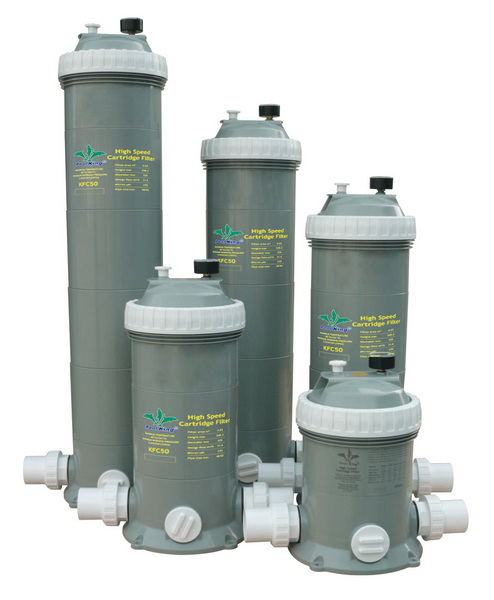
One of the attractive features of pool filter balls is that they can often be reused for multiple seasons with proper maintenance. Routine care includes periodically backwashing the filter to remove accumulated dirt and, if allowed by the manufacturer, occasionally removing the balls from the tank to wash them.[8][2][1]
Some users clean the balls in a washing machine or by hand with mild detergent, then rinse thoroughly and dry before returning them to the filter, though it is essential to follow product‑specific recommendations. The actual replacement interval varies, but many sources suggest an effective lifespan of roughly 2–4 years, depending on pool usage and water quality.[8][2][1]
Pool filter balls are compatible with most standard sand filter housings used in residential pools, and they can work with saltwater chlorine generators and common sanitizer systems. They are well suited for above‑ground pools, small in‑ground pools, and even some industrial or commercial systems when specified correctly.[9][2][1][3]
However, certain chemical products may not be recommended with filter balls, including some flocculants, clarifiers, metal removers, or alternative sanitizing systems, depending on the brand. For this reason, pool owners should always check the manufacturer's instructions about compatible chemicals and operating conditions before switching media.[2][1][3]
Because filter balls can be reused and require less frequent backwashing, they can significantly reduce water waste over the life of the filter. Lower backwashing frequency also means less energy spent running the pump in waste cycles, which appeals to environmentally conscious pool owners and helps lower operating costs.[3][1]
Their lightweight design also reduces transport emissions, since a small box replaces many kilograms of sand over time. In addition, their stable polymer composition allows them to retain filtering performance over multiple seasons without producing silica dust or grit.[7][1][3]
Pool filter balls are an attractive choice for pool owners who want clearer water with less effort, especially those who dislike handling heavy sand. They are particularly useful if a pool suffers from persistent cloudiness, fine dust, or pollen that is not effectively removed by standard sand.[4][3][1]
They may be less suitable in situations where flocculants and certain specialty chemicals are used heavily, or where the pool owner prefers the simplicity and low initial cost of conventional sand. In these cases, a careful evaluation of chemical treatment practices and manufacturer recommendations is necessary before switching.[2][3][1]
For brands, wholesalers, and manufacturers looking to add filter balls or upgraded sand filter systems to their product lines, partnering with a specialized OEM factory in China offers a complete solution. A professional facility that already produces sand filters, DE filters, cartridge filters, pool pumps, LED pool lights, and related accessories can design matched systems where filter balls and hardware are fully optimized.[4][2]
Such a factory can provide customized tank sizes, valve configurations, and pump–filter combinations that highlight the advantages of filter balls, as well as private‑label packaging and marketing materials. With intelligent production lines and strict quality control, OEM partners can consistently supply high‑performance filtration products tailored to local market standards.[10][4][2]
Pool filter balls are a modern, lightweight filtration media designed to replace sand in many residential pool filters while delivering finer filtration, easier handling, and reduced maintenance. By capturing very small particles and maintaining lower system pressure with higher flow, they can improve water clarity, extend filter cycles, and reduce water and energy consumption compared with traditional sand.[6][3][2][1]
For homeowners, filter balls are especially attractive when upgrading an existing sand filter that struggles with cloudy water or is difficult to maintain due to the weight of sand. For international brands and distributors, integrating filter balls into OEM‑designed sand filter systems offers a compelling, high‑value product line that meets growing demand for convenient, energy‑efficient, and environmentally friendly pool filtration.[2][4][1]
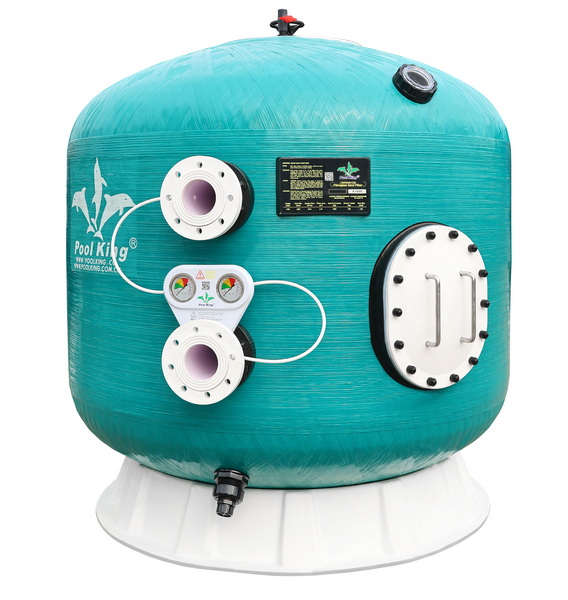
Pool filter balls are synthetic fiber spheres, usually made from polyethylene or similar materials, that replace traditional sand or glass in a pool sand filter. They are designed to be very light yet highly efficient at trapping dirt and fine particles as water flows through the filter.[3][2][1]
Many products and users report that filter balls capture smaller particles than sand, often down to a few microns, resulting in clearer water. They also tend to operate at lower pressure, are easier to install and remove because of their low weight, and may require fewer backwashes, which saves water.[5][6][4][3][1]
The exact conversion depends on the brand, but a typical guideline is that around 700–1000 g of filter balls can replace about 50–100 lb of sand in many residential filters. Most manufacturers publish charts that match their product to common filter tank sizes, so it is important to follow those recommendations.[7][3][2][1]
Filter balls generally last several seasons, with many sources indicating a service life of roughly 2–4 years when properly maintained. Because they can often be cleaned and reused, they may not need replacement as frequently as sand, which typically must be changed every few years.[8][2][1]
Yes, many filter ball products are reusable and can be cleaned by backwashing and, if the manufacturer allows, by removing them from the filter and washing them manually or in a machine with suitable detergent. After thorough rinsing and drying, they can be placed back into the filter, extending their service life.[8][1]
Most major filter ball brands are compatible with saltwater chlorine generators and standard pool sanitizers, thanks to their chemically resistant polymer construction. It remains essential, however, to check the manufacturer's documentation for any chemical restrictions, especially regarding flocculants, clarifiers, and metal removers.[3][2][1]
Filter balls can be used in many common sand filter housings, particularly in residential above‑ground and small in‑ground systems. Some specialized or commercial filters may have specific requirements, so it is wise to confirm compatibility with the filter and media manufacturers before switching.[4][2]
[1](https://99fab.com/blogs/99fab-blog/pool-filter-balls)
[2](https://www.pool.shop/blog/the-different-filter-media-options-and-their-pros-and-cons/)
[3](https://www.thepoolfactory.com/products/platinum-filtra-balls-for-sand-filters)
[4](https://www.pools.shop/en/info/magazine/filter-systems-which-one-is-right-for-my-pool)
[5](https://www.facebook.com/groups/637529959937311/posts/2370209993335957/)
[6](https://intheswim.com/blog/filterballs-a-breakthrough-in-pool-filtration-media.html)
[7](https://www.youtube.com/watch?v=GL-804ACo50)
[8](https://www.youtube.com/watch?v=cHMMw15UgIs)
[9](https://www.youtube.com/watch?v=D5V5T5uNJdA)
[10](http://filterballs.com)
[11](https://www.reddit.com/r/pools/comments/1drh8nf/has_anyone_used_filter_balls/)
[12](https://www.facebook.com/groups/637529959937311/posts/2578159672540987/)
[13](https://www.reddit.com/r/swimmingpools/comments/te60gv/sand_vs_filter_balls/)
[14](https://www.youtube.com/shorts/pC30tMytrHI)
[15](https://www.facebook.com/groups/637529959937311/posts/finally-upgraded-to-a-sand-filter-pros-and-cons-of-filter-balls-rather-than-sand/2550536728636615/)


