
Views: 222 Author: Tina Publish Time: 2025-10-22 Origin: Site


Content Menu
● Product categories and core technologies
● Top American swimming pool skimmer manufacturers and suppliers
● Choosing the right skimmer solution
● Installation and integration considerations
● Performance and efficiency trends
● Quality assurance and testing
● Why source from American suppliers?
● OEM and private-label opportunities
● Best practices for evaluating suppliers
● Performance benchmarks and case studies
● Materials science and longevity
● Environmental and safety considerations
● Supplier engagement and collaboration
● Market dynamics and demand outlook
● Global supply chain considerations
● Sustainability and innovation
● FAQ
>> 1) What makes a good skimmer suitable for both residential and commercial pools?
>> 2) Can I upgrade my existing pool to a smart skimmer system?
>> 3) How do I determine the right skimmer size for my pool?
>> 4) What maintenance steps are essential for long-term skimmer performance?
>> 5) Are private-label skimmers a viable option for small manufacturers?
We are a Chinese factory specializing in high-quality sand filter systems and filtration solutions, powered by intelligent manufacturing. Our product portfolio includes swimming pool filtration equipment such as sand filters, DE filters, and cartridge filters, as well as pumps, LED lighting, and accessories. We offer OEM services to foreign brands, wholesalers, and manufacturers seeking reliable filtration solutions. This article highlights leading American manufacturers and suppliers of swimming pool skimmers, with practical insights on technology trends, product categories, and sourcing considerations.
Swimming pool skimmers are essential components of a pool's water treatment system. They remove surface debris and help maintain clean, safe water. As the swimming pool market evolves, skimmer designs continue to improve in efficiency, durability, and ease of maintenance. This comprehensive guide profiles top manufacturers and suppliers in America, examines key product features, and provides practical guidance for buyers seeking high-quality skimmer solutions.
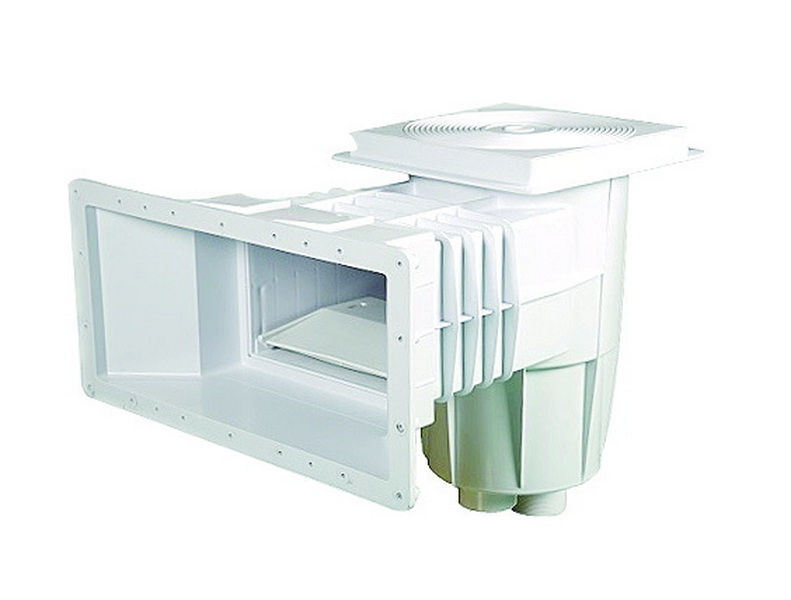
- Inline and surface skimmers
- Skimmer baskets and debris collection systems
- Automatic skimmers and skim cleaning mechanisms
- Floating weirs and adjustable weir plates
- Integrated vacuum and multi-function skimmers
- LED lighting integrated skimmers and aesthetics-focused models
Filtration compatible with various media
- Sand filter-compatible skimmers with efficient flow paths
- Cartridges and DE filter-compatible skimmers for optimized debris removal
Materials and coatings
- UV-resistant plastics and corrosion-resistant hardware
- Stainless steel or painted finishes for durability in outdoor environments
Smart features
- Integrated sensors for water level and flow control
- Compatibility with pool automation systems and variable-speed pumps
- Remote monitoring and maintenance alerts
Manufacturer A
- Known for: high-precision injection-molded skimmers, durable wear components
- Strengths: robust debris collection, easy maintenance, broad aftermarket support
- Suitable for: residential and commercial pools seeking reliable performance
Manufacturer B
- Known for: smart skimmer solutions with sensors and automation compatibility
- Strengths: seamless integration with pool automation, energy-efficient designs
- Suitable for: modern pools with smart-home ecosystems
Manufacturer C
- Known for: premium materials and corrosion-resistant hardware
- Strengths: long service life in harsh outdoor environments, aesthetic finishes
- Suitable for: upscale residential and resort pools
Manufacturer D
- Known for: cost-effective, feature-rich skimmer assemblies
- Strengths: value-oriented options without sacrificing performance
- Suitable for: budget-conscious projects and large-scale installations
Manufacturer E
- Known for: modular skimmer systems and easy customization
- Strengths: adaptable configurations for complex pool shapes
- Suitable for: custom designs and commercial installations
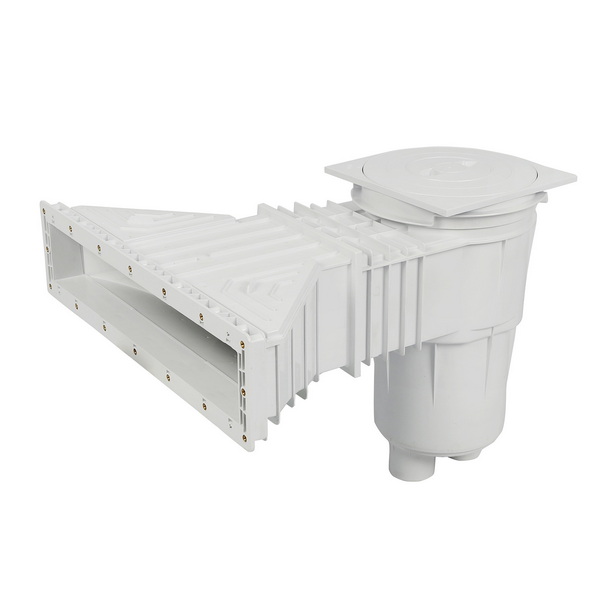
Pool type and size
- Residential, semi-commercial, or large commercial facilities each benefit from different skimmer capacities and debris handling speeds.
Filtration system compatibility
- Ensure the skimmer is designed to integrate with your existing sand, cartridge, or DE filtration setup.
Flow rate and suction head
- Match skimmer flow characteristics to your pump size and system head to avoid cavitation and ensure efficient debris removal.
Material durability
- Consider UV resistance, chemical exposure, and temperature ranges typical of your climate.
Maintenance requirements
- Look for easily removable baskets, clear covers, and accessible clean-out ports to minimize pool downtime.
Warranty and service
- Favor suppliers offering long-term warranties and readily available replacement parts.
Lighting and aesthetics
- Some skimmers offer integrated LED lighting options or color-matched housings to blend with pool design.
Automation compatibility
- Verify compatibility with popular pool automation controllers and variable-speed pumps for energy savings and remote control.
Spare parts availability
- Confirm readily available replacement cartridges, baskets, gaskets, and seals to reduce downtime.
Code compliance
- Ensure products meet relevant safety and electrical codes for your region and project type.
Energy-efficient pumps and variable-speed systems
- Skimmer assemblies designed to work with energy-efficient pumps can reduce running costs and improve overall water quality.
Advanced debris management
- Multi-stage skimmer designs and high-capacity baskets help maintain cleaner surfaces, reducing maintenance frequency.
Durable materials for harsh environments
- UV-stabilized plastics and corrosion-resistant hardware extend service life in outdoor pools.
Material traceability
- Reputable manufacturers provide batch traceability for performance-critical components.
Hydraulic testing
- Skimmers undergo flow and pressure testing to ensure consistent suction and balanced circulation.
Environmental testing
- UV exposure, chemical resistance, and temperature cycling tests verify long-term durability.
Local availability and faster logistics
- Shorter lead times and easier communication for orders and after-sales support.
Established certifications and standards
- Compliance with American safety and performance standards enhances reliability.
Robust dealer networks
- Broad distribution channels facilitate easy procurement and parts access.
Custom branding and packaging
- Many American suppliers offer private-label programs, enabling brand coherence across outdoor living products.
Design customization
- Modular and configurable skimmer solutions can accommodate unique pool shapes and installation constraints.
Technical support
- OEM partners benefit from engineering assistance, CAD files, and testing resources.
Request samples and perform in-house or third-party testing
- Assess debris capture efficiency, ease of installation, and material durability.
Review technical specifications
- Compare flow rates, suction head, basket volume, and compatibility with your filtration media.
Check after-sales support
- Evaluate warranty terms, returns, and availability of spare parts.
Analyze total cost of ownership
- Consider purchase price, maintenance costs, energy usage, and expected service life.
Residential pool upgrades
- Homeowners upgrading aging skimmers benefit from retrofit kits that improve suction balance and debris handling, reducing manual maintenance.
Commercial pool installations
- Large commercial facilities require robust skimmer assemblies with high debris tolerance and easy replacement parts to minimize downtime.
Retrofits for smart controllers
- Existing systems can often be upgraded to smart skimmers, enabling remote diagnostics and predictive maintenance.
Polymers and coatings
- Modern skimmers utilize UV-stabilized polymers to resist sun exposure and chemical attack, extending service life.
Metal hardware
- Stainless steel or corrosion-resistant coatings protect connectors and clamps against pool chemicals and humidity.
Seal technology
- Advanced gaskets reduce leaks and extend the interval between maintenance cycles.
Coral reef and lake-adjacent installations
- In sensitive environments, skimmers with carefully designed flow paths minimize ecological disruption and minimize splash-out.
Electrical safety
- Equipment must meet electrical codes and feature ground fault protection where applicable.
Waste reduction
- Reusable or recyclable components and durable materials contribute to lower lifecycle waste.
Transparent communication
- Clear lead times, materials data, and testing reports help buyers make informed decisions.
Joint development opportunities
- OEM partnerships can drive co-created solutions tailored to specific brand requirements and regional regulations.
After-sales and training
- On-site training, installation guides, and technical support reduce commissioning time and errors.
Growth drivers
- Increasing popularity of outdoor living spaces and resort-style pools expands demand for advanced skimmer systems.
Regional variations
- Climate, pool densities, and regulatory environments influence the design and selection of skimmer solutions.
Sourcing diversification
- Working with multiple American suppliers can mitigate disruption risks and ensure continuity of supply.
Quality control
- On-site audits or third-party verification help ensure product quality meets defined standards.
Logistics optimization
- Consolidated shipments and vendor-managed inventories can reduce overall logistics costs.
Recyclable materials
- Some manufacturers are moving toward recyclable components and greener manufacturing processes.
Smart diagnostics
- AI-enabled monitoring and analytics help predict failures and optimize maintenance intervals.
Choosing the right swimming pool skimmer is critical to maintaining clean, safe, and enjoyable pool experiences. By partnering with reputable American manufacturers and suppliers, buyers can leverage proven designs, reliable parts availability, and strong after-sales support. OEM collaboration with a trusted Chinese partner can also ensure cost-effective production, high-quality materials, and timely delivery for global brands.
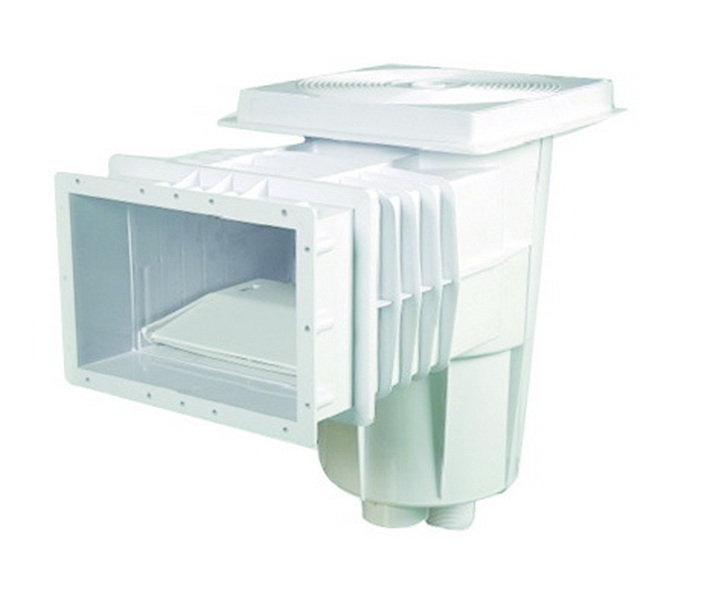
A good skimmer for both types offers robust debris capture, durable construction, compatibility with common filtration systems, easy maintenance, and scalable options to handle larger pool volumes in commercial settings.
Yes, many smart skimmer systems are designed for retrofit applications and can integrate with current pumps and controllers to provide remote monitoring and automation.
Consider pool surface area, typical debris load, pump flow rate, and the overall circulation design. Manufacturers provide sizing charts that map pool dimensions to recommended skimmer models.
Regularly inspect and clean the skimmer basket, check seals for leaks, ensure the weir plate functions smoothly, and verify electrical connections if the unit includes lighting or sensors.
Absolutely. Private-label programs allow you to offer branded products with configurable features while leveraging established supply chains and technical support.


