
Views: 222 Author: Tina Publish Time: 2025-11-08 Origin: Site


Content Menu
● The Japanese Pool Underwater Light Market
● Key Features: What Sets Japanese Pool Underwater Lights Apart
>> Safety & Electrical Engineering
>> Energy Efficiency & Long-Term Value
>> OEM & Customization Capabilities
● Leading Pool Underwater Light Manufacturers and Suppliers in Japan
>> JP Lighting
>> MizuPool
>> Additional Notable Japanese Suppliers
● Manufacturing Processes and Technical Innovations
● OEM Partnerships: A Roadmap for International Buyers
● Case Studies: Real-World Applications
>> Public Aquatic Center Project
>> Residential Villa Transformation
● Quality Indicators and International Certifications
● Pool Light Maintenance Best Practices
● Sustainable Manufacturing Trends
● Frequently Asked Questions (FAQ)
>> Q1: What is the most common IP rating for Japanese pool underwater lights?
>> Q2: Can Japanese suppliers provide custom-branded lighting solutions?
>> Q3: How long does the typical manufacturing process take for OEM orders?
>> Q4: What warranty coverage is available for underwater lights?
>> Q5: Which certifications should international buyers look for?
Japan stands at the forefront of advanced pool lighting and filtration technology, offering exceptional solutions for residential, commercial, and hospitality environments. With manufacturers dedicated to crafting high-performance LED underwater lights and robust filtration systems, international buyers can access both innovation and reliability. The industry's rapid evolution is driven by stringent quality standards, versatile design options, and a focus on energy efficiency, making Japan a magnet for foreign brands, wholesalers, and OEM production partners. This article provides a detailed guide to leading pool underwater light manufacturers and suppliers in Japan, integrating essential product details, manufacturing insights, and media recommendations. “Pool Underwater Light Manufacturers and Suppliers” is the anchor keyword throughout, framing the value proposition for global clients seeking durable, customizable, and high-tech lighting solutions.

Japanese manufacturers compete with world-leading design philosophies and production standards. Demand for advanced pool underwater lights is propelled by the growing leisure industry, eco-friendly construction trends, and the popularity of high-quality home and hotel spas. Features such as waterproofing (IP68), corrosion-resistant housings, and long-lasting LEDs have become industry staples. The country's exacting standards—such as IEC60598 and CE/RoHS compliance—ensure that products remain safe and efficient in challenging aquatic environments. A wide spectrum of clients source from Japanese manufacturers: luxury hotels with elaborate lighting programs, public spas focusing on operational reliability, and private villa owners who value aesthetic appeal alongside energy efficiency.
Pool underwater lights manufactured in Japan typically employ marine-grade stainless steel or high-impact engineered plastics. These materials provide corrosion resistance and durability even under constant exposure to chlorine and saltwater. Epoxy resin sealing methods are also common, providing additional ingress protection and heat dispersion to maximize LED lifespans.[2][3][9]
IP68 rating is the gold standard, certifying total protection against dust and prolonged water immersion. Premium manufacturers may even offer deeper protection levels for commercial pools.
Modern Japanese pool underwater light manufacturers and suppliers focus on advanced optical engineering. LED sources dominate, offering vibrant color-changing capabilities, excellent energy efficiency, and lifetime operation exceeding 50,000 hours. COB (chip-on-board) and SMD (surface-mounted device) LED types are frequently used, allowing for compact sizing and intense illumination.
Strict adherence to electrical safety standards—IEC EN 60598 and UL 676:2015—underpins Japanese manufacturing. All wiring and cable assemblies are triple-sealed for waterproofness and insulation, minimizing risk in wet environments.[3]
Japanese pool underwater light suppliers offer multiple mounting options: flush-mounted, wall, or niche designs for both new and retrofit pools. Minimal tools are needed for installation, and modular fittings allow easy upgrades.
Japanese LED pool lights consume less than a quarter the energy of their halogen predecessors, translating to lower operating costs for hotels and homeowners. Product warranties typically range from 1–5 years, backed by strong after-sales support.
Most reputable pool underwater light manufacturers and suppliers provide robust OEM services for global brands. Customization options include branding, housing colors, control preferences (wired, wireless, DMX), and packaging. Minimum order quantities vary, but technological upgrades—such as smart control integration—are accessible for most projects.[4][6][3]
Located in Chiba, AquaIDEA Japan is recognized worldwide for pioneering underwater marine and pool light innovation. With dedicated manufacturing plants and in-house R&D, the company serves clients with demanding needs for pool underwater light performance and customization. Their product portfolio ranges from compact LED fixtures to large commercial units, all meeting rigorous international standards such as CE/RoHS, IEC60598, and UL 676.[5][4]
JP Lighting specializes in IP68-rated LED pool lights for both residential and commercial use. Their models are known for aesthetic precision, robust plastic and resin construction, and powerful color rendering. OEM buyers enjoy flexible customization options, rapid prototyping, and technical support for custom projects.
Known for premium underwater pool lights, WAKING Lighting offers products with high-end optics, stainless steel housings, and reliable color management. Their advanced control systems support DMX and wireless interfaces, making them attractive for smart home and hotel integration. OEM relationships feature clear communication, detail-oriented design, and precise lead times.[11]
A specialist in OEM services, MizuPool delivers stainless steel underwater lights, all rated IP68, with LED bulbs and customizable shapes and colors. International buyers benefit from one-on-one project management, extensive warranty terms, and logistics assistance for global shipping.[2]
Other manufacturers offer niche expertise, such as fiber-optic lighting, ultra-compact LED units, and hybrid pool-spa installations. Their product portfolios are updated annually, reflecting the latest trends in efficiency, safety, and aesthetics.
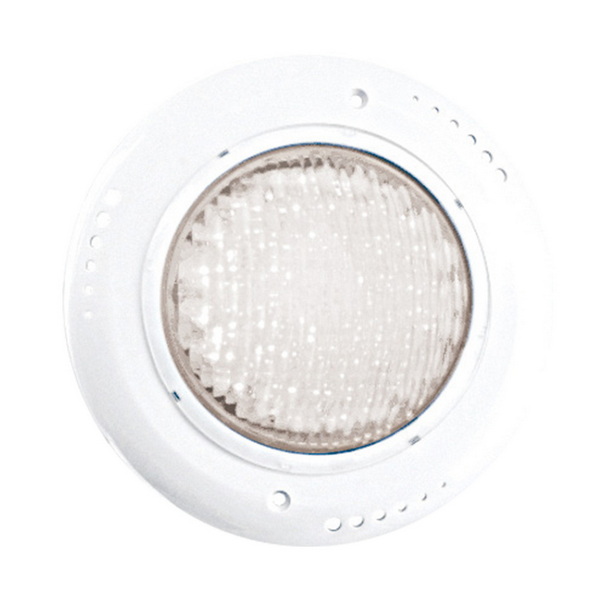
Japanese factories employ smart manufacturing techniques, from automated soldering to precision assembly and robotic quality checks. Resin-filling techniques ensure total waterproofing and thermal management, extending light longevity and brightness consistency. Key process steps include:[1][2]
- In-house prototyping using CAD software and rapid 3D printing.
- Automated SMT placement for consistent LED array quality.
- Multistage QC checkpoints: waterproof testing tanks, thermal cycling ovens, and electrical insulation measurement.
- Custom metalwork for housings (stainless steel, brass, composite).
- Epoxy resin filling for water ingress protection.
Partnering with Japanese pool underwater light manufacturers and suppliers ensures tailored, quality-assured lighting projects for foreign brands, wholesalers, and manufacturers. The typical OEM workflow:
1. Inquiry and needs assessment (project specs, site conditions).
2. Technical design consultation (CAD drawings, sample approval).
3. Prototyping and validation (physical and performance testing).
4. Mass production and QC audits.
5. Delivery and post-installation support.
Certifications such as CE/RoHS, IP68, and IEC60598-2-18 are standard, and buyers should request full spec sheets, factory audit reports, and pilot samples before finalizing orders. Effective communication—clear technical requirements, branding needs, and compliance documentation—results in smooth collaborations and repeat business.
A Tokyo resort upgraded to RGB LED underwater lights, substantially lowering energy consumption and maintenance costs while enhancing guest experience with striking color effects.
A municipal pool in Osaka chose stainless steel IP68 fixtures from a local supplier, noting zero electrical failures after two years of continuous use.
A luxury villa in Okinawa incorporated smart app-controlled underwater lights for both the pool and adjacent spa, with OEM-branded units delivered within three months.
Buyers should verify products against these benchmarks:
- IP68 waterproofing (submersion rated)
- CE/RoHS compliance for electrical and material safety
- IEC EN 60598 certification for luminaire performance
- UL 676:2015 for electrical immersion safety
- Warranty periods and service guarantees (standard: 1–5 years)
Requesting comprehensive datasheets and third-party test reports helps confirm claims.
| Brand | LED Type | Housing Material | IP Rating | Control Options | OEM Focus |
|---|---|---|---|---|---|
| AquaIDEA Japan | COB/SMD | Stainless Steel | IP68 | Wired, DMX, App | Custom branding, packing |
| JP Lighting | SMD | Resin/Plastic | IP68 | Wired, RGB, Remote | MOQ, rapid prototyping |
| WAKING Lighting | COB | Stainless Steel | IP68 | DMX, Wireless | Project management |
| MizuPool | SMD | Stainless Steel | IP68 | RGB, Remote | 1-on-1 logistics |
- Inspect waterproof seals and cable glands every season.
- Clean lenses regularly to maintain brightness and color accuracy.
- Schedule periodic thermal tests to identify early LED aging signs.
- Document any replacement events and warranty service claims.
- Conduct remote or in-person factory audits if possible.
- Agree on incoterms, lead times, and packaging requirements from the start.
- Use insured international freight carriers for large shipments.
- Track shipments with supplier-provided serial numbers and warranty documentation.
Japanese manufacturers increasingly adopt energy-efficient LED chips, recyclable housings, and eco-friendly sealing compounds. These advancements not only lower carbon footprint, but also appeal to eco-conscious international buyers.
Japanese pool underwater light manufacturers and suppliers offer an unmatched blend of technology, reliability, and customization for international buyers in the hospitality, commercial, and residential markets. Rigorous standards (IP68, CE/RoHS, UL 676), advanced manufacturing processes, and robust OEM workflows ensure foreign brands and wholesalers can source exquisitely engineered pool lighting solutions that are both visually stunning and operationally dependable. By partnering with Japanese experts, buyers gain access to cutting-edge designs, smart controls, and responsive support for unique projects worldwide. Sourcing from Japan means investing in innovation, safety, and lasting value.
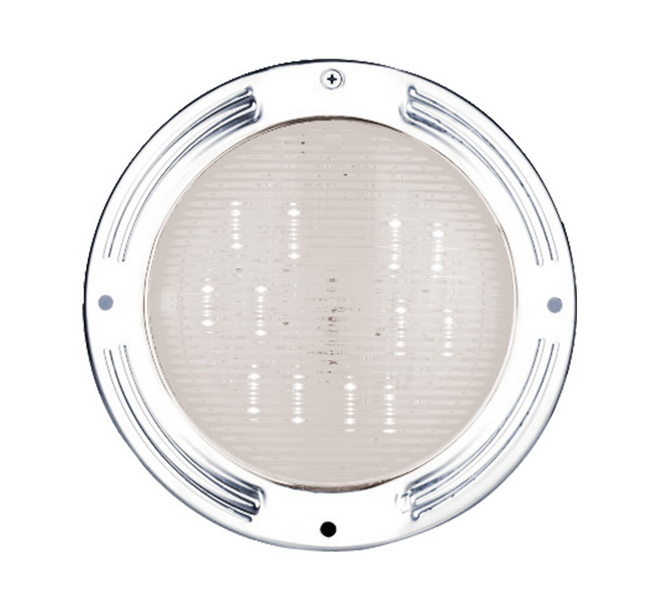
A: IP68 is standard for continuous underwater immersion; most Japanese brands use this rating to denote strong waterproofing and dust protection.[7][3][2]
A: Yes, pool underwater light manufacturers and suppliers in Japan frequently offer custom branding, packaging, and design tweaks as part of their OEM services.[3][4]
A: Routine OEM projects typically require 6–12 weeks from design sign-off to delivery, with expedited timelines available for small batches or standard models.[4]
A: Japanese manufacturers often provide 1–5 year warranties, with support for replacements and repairs as part of their service commitments.[2][4]
A: Buyers should confirm IP68, CE/RoHS, IEC EN60598, and UL listings to ensure safety and compliance in their home markets.[9][3]
[1](https://evaoptic.com/swimming-pool-lighting/eva-led-underwater-lighting/)
[2](https://www.mizupool.com/underwater-light.html)
[3](https://www.aquaidea.com.au/product-page/jps-c-1-5-return-fitting-underwater-rgb-led-light)
[4](https://www.aqua-idea.com)
[5](https://www.aquaidea.co.jp/swimming-pool-underwater-light)
[6](https://www.underwateridea.com)
[7](https://www.jp-lighting.com/supplier-4402318-swimming-pool-underwater-light)
[8](https://www.ledunderwaterpoollights.com/video-about.html)
[9](https://mono.ipros.com/en/product/detail/2000507550/)
[10](https://global.qshinepoollight.com/allproduct/inground-pool-lights/)
[11](https://wakinglighting.com/underwater-lights/)


