
Views: 222 Author: Tina Publish Time: 2025-12-19 Origin: Site


Content Menu
● Understanding Pool Water Turnover
● Pros and Cons of Running 24/7
● Single-Speed vs Variable-Speed Pumps
● Seasonal and Climate Considerations
● When It Makes Sense to Run Continuously
● Ideal Scheduling: Split Run Times
● Role of the Filter and Other Equipment
● OEM Perspective: Designing Efficient Pump and Filter Systems
>> 1. Should a pool pump run 24 hours a day?
>> 2. How many hours should I run my pool pump each day?
>> 3. Is it cheaper to run the pump at night?
>> 4. Do variable speed pumps need to run longer?
>> 5. How do I know if my pump is running long enough?
>> 6. When should I run the pump all the time?
>> 7. Can running the pump less than 8 hours save money safely?
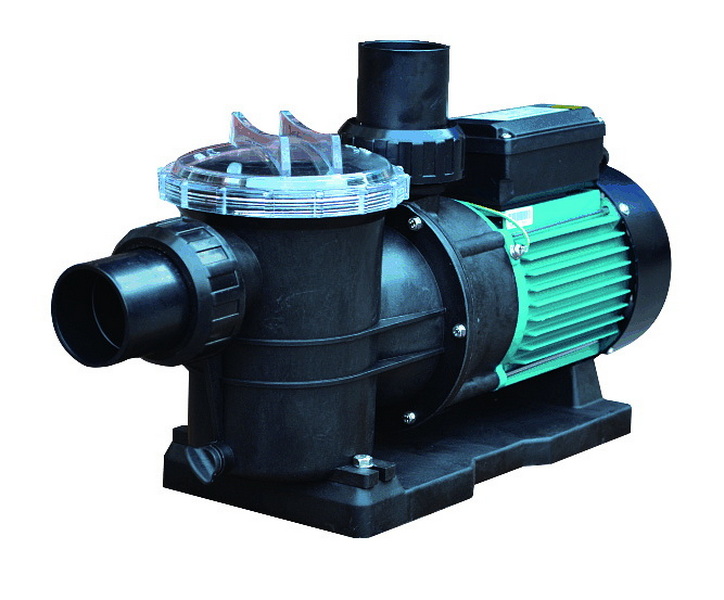
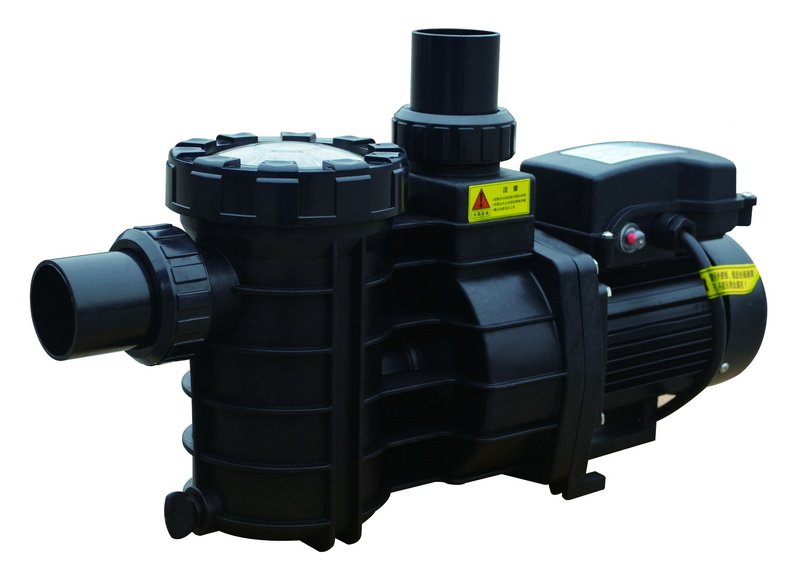
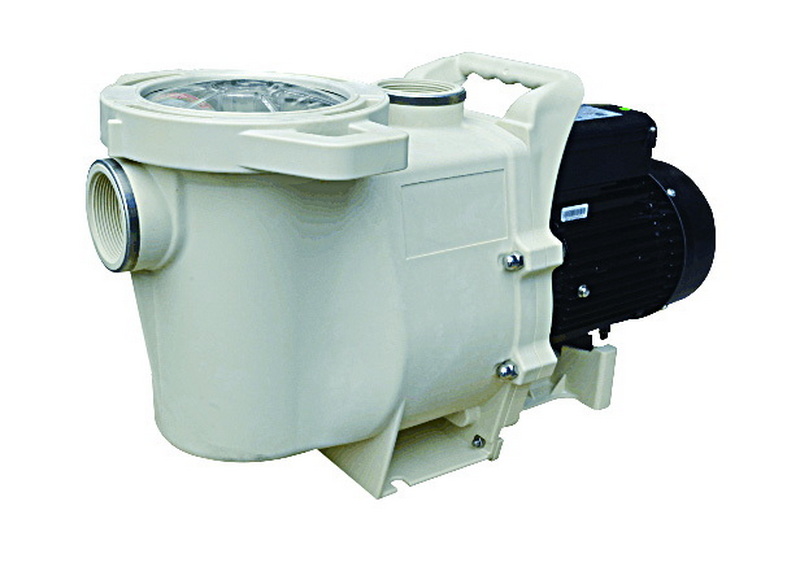
A pool pump is the “heart” of the circulation system, pulling water through the skimmer and main drain, pushing it through the filter, heater, salt cell or chlorinator, and then returning clean water to the pool. Whether it should run all the time depends on turnover needs, energy costs, climate, and the type of pump and filter installed.[5][1]
In most private pools, the goal is to turn over all the water at least once per day, which is usually possible without continuous 24/7 operation. For many homeowners, the best balance between water quality and electricity cost is to run the pump long enough to meet that turnover target, then adjust up or down based on water clarity and usage.[2][1]
“Turnover” means all of the pool's water has passed through the filter one time. The time it takes to reach one turnover is called the turnover time, which depends on pool volume and the pump's flow rate.[6][7]
A common residential standard is to design for one to two turnovers per day, often corresponding to 8–12 hours of pump operation. Commercial and public pools are usually required by code to have faster turnover (for example 6 hours or less), but that is more than most home pools need.[7][6]
- Turnover time (hours) ≈ Pool volume (gallons) ÷ Pump flow (gallons per hour).[8]
- If this calculation yields 8 hours, then running the pump for 8 hours in 24 hours usually achieves one turnover.[9]
Running a pool pump all the time has real advantages but also clear drawbacks.[10][11]
Advantages of 24/7 operation
- Superior circulation and filtration, with fewer “dead spots” where algae and debris can settle.[10]
- More uniform chemical distribution after chlorination, shock treatments, or pH adjustment.[10]
- More stable temperature for pools with heaters, heat pumps, or solar systems that rely on constant flow.[10]
Disadvantages of 24/7 operation
- Higher electricity consumption if using a single‑speed or older two‑speed pump, which can significantly raise monthly bills.[9][7]
- More run hours on the motor and wet end, which may shorten lifespan if the pump is not designed or sized for continuous duty.[11]
- In many correctly sized residential systems, 24/7 operation simply exceeds what is needed to keep the water clear, so part of the energy is wasted.[12]
Pool professionals often recommend that if you want to run continuously, you should combine it with a variable speed pump and a very low “cruise” RPM to keep energy usage under control.[3][11]
Most residential pools operate successfully with 8–12 hours of pump runtime per day, as long as size and flow are properly matched to pool volume. Some well‑sized systems, especially in mild climates, can maintain excellent clarity in as little as 6 hours per day, while very large, heavily used, or hot‑climate pools may need closer to 12–16 hours.[13][4][7][9]
Industry guidance and expert resources often suggest:[4][2]
- Minimum: 6–8 hours per day for an optimally sized system in good conditions.
- Typical: 8–12 hours per day for most backyard pools.
- Extended: 12–16 hours or more during very hot weather, after big pool parties, or when clearing cloudy water.
Rather than relying only on a fixed number, pool owners should also observe water clarity, filter pressure, and sanitizer levels, and then adjust pump runtime if algae or cloudiness appears.[2]
Pump technology strongly affects whether running all the time makes sense.[14][15]
Single-speed pumps run at full RPM whenever they are on, so their power draw is relatively high. For these pumps, running 24/7 is typically not economical, and an 8–12 hour schedule is more common.[16][13][9]
- Pros: Simple, low purchase cost, easy to control with a basic timer.[16]
- Cons: Higher energy usage per hour, limited flexibility, noisy operation.[16]
Variable-speed pumps (VSPs) can run at different RPMs, and electrical consumption drops dramatically at lower speeds. Many pool experts recommend running variable speed pumps for 12–24 hours per day, but mostly at low speeds to maximize turnover while minimizing cost.[15][14][3]
- Pros: Much higher energy efficiency, quieter, ideal for long runtimes and 24/7 low‑speed operation.[14][3]
- Cons: Higher upfront price and slightly more complex setup and programming.[15]
Some specialists even argue that a correctly programmed VSP should run all day at low RPM, with occasional higher‑speed cycles for skimming, vacuuming, and operating heaters or saltwater chlorinators.[3]
Climate and season strongly influence whether a pool pump should run all the time or only part of the day.[5][7]
- Summer / hot climates: Higher temperatures accelerate algae growth and increase chlorine consumption, so longer runtimes (10–16 hours) are often recommended.[7]
- Mild seasons: In spring and fall, 6–10 hours may be enough if the pool is covered part‑time and use is lighter.[4]
- Winterizing / freezing conditions: In regions with freezing temperatures, pumps may run continuously at low speed during nights or cold snaps to prevent ice in pipes and equipment.[5]
Pool owners should gradually adjust runtime when seasons change, watching water clarity and sanitizer levels rather than making abrupt cuts to pump hours.[7]
There are specific situations when running a pool pump 24/7 for a short period is appropriate and often recommended.[17][11]
- Opening a very dirty or green pool: Continuous operation speeds up filtration and helps chemical treatments clear algae faster.[11]
- After storms, heavy rain, or dust events: Longer runtimes help remove debris and rebalance water chemistry.[7]
- After shocking or major chemical adjustment: Running the pump ensures thorough mixing and avoids localized high concentrations.[10]
- During intensive commercial or resort use: Pools with heavy daily traffic may need near‑continuous filtration for hygiene and regulatory compliance.[7]
In these cases, even owners of single‑speed pumps often run 24/7 temporarily, then return to a standard schedule once clarity and balance are restored.[11]
Experts commonly recommend splitting the daily runtime into several blocks instead of one continuous session, especially when electricity rates have peak and off‑peak periods.[2][7]
- Running the pump during off‑peak night hours can cut energy costs while still achieving full turnover.[2]
- A combination of daytime and nighttime operation can balance algae control (better in daylight) with lower energy pricing.[5]
For example, a total of 8 hours could be split into 4 hours in the early morning and 4 hours in the late afternoon or night, while ensuring continuous filtration during times of highest debris load or bather use.[2]
Whether continuous pump operation is needed also depends on the filter type and attached equipment.[7]
- Sand filters are robust and relatively forgiving, usually working well within a typical 8–12 hour schedule when properly sized and backwashed as needed.[7]
- Cartridge filters offer finer filtration and lower resistance, potentially allowing shorter runtimes in clean conditions, but they require periodic manual cleaning.[7]
- DE (diatomaceous earth) filters provide very fine filtration, but they work best when pressure and flow are kept within designed ranges, which often favors steady, moderate runtimes.[7]
Additional components like salt chlorination systems, UV units, or heaters may require minimum flow times per day to function correctly, which usually sets a lower bound on how little the pump can run.[15][7]
For foreign brands, distributors, and pool equipment manufacturers, the decision about whether a pump should run all the time starts at the design stage.[7]
- Correctly matching pump flow to filter size and pool volume ensures that one or two turnovers per day can be achieved without oversizing the pump or wasting energy.[4]
- Offering systems built around variable speed pumps and efficient sand, DE, or cartridge filters allows end users to run pumps longer at low speeds, gaining both clarity and cost savings.[3][14]
A professional OEM factory in China that produces top‑end sand filters, multi‑port valves, energy‑efficient pumps, LED pool lights, and accessories can develop complete filtration packages optimized for each region's climate and power costs. This lets partner brands market pools that stay clear without requiring 24/7 high‑speed pump operation.[7]
A pool pump does not have to run all the time to keep most residential pools clean and safe, as long as it operates long enough each day to meet turnover requirements, typically around 8–12 hours for correctly sized systems. Continuous 24/7 operation is mainly justified when using highly efficient variable speed pumps at low speed, or when temporarily fighting algae, heavy contamination, or freezing conditions.[13][11][4][3]
By understanding turnover calculations, choosing the right pump and filter combination, and adjusting run schedules for season, climate, and usage, pool owners can maintain crystal‑clear water without unnecessary energy waste. For international brands, wholesalers, and pool builders, partnering with a specialized OEM factory that supplies premium sand filters, DE and cartridge systems, high‑efficiency pumps, LED lights, and smart controls makes it easier to deliver pool packages that do not rely on constant high‑speed pump operation while still guaranteeing water quality and reliability.[1][7]
In most residential pools, it is not necessary to run the pump 24 hours a day; 8–12 hours is usually enough to achieve at least one full turnover and maintain clear water. Continuous running may be chosen with variable speed pumps at low RPM, or temporarily during problem conditions like algae blooms.[13][11][3][4]
For a correctly sized system, many experts suggest around 8 hours per day as a starting point, then adjusting between 6 and 12 hours based on pool size, climate, and usage. If water becomes cloudy or algae appears, increase runtime and check filtration and chemistry until clarity returns.[9][4][2]
Running the pump at night can be cheaper in areas with off‑peak electricity rates, because power costs may be lower outside daytime peak hours. However, some runtime during daylight is still helpful for fighting algae and supporting daytime chlorination, so a split schedule often works best.[5][2][7]
Yes, variable speed pumps are usually programmed to run longer, often 12–24 hours per day, but mostly at low speeds where they consume much less power than single‑speed pumps. This approach increases turnover and water quality while still reducing total energy consumption compared to running a single‑speed model for fewer hours.[3][14][15]
Good indicators include consistently clear water, stable chlorine or sanitizer levels, and normal filter pressure without rapid rises. If you notice cloudy water, algae, or poor skimming, either increase pump hours, clean or backwash the filter, or confirm that the pump and filter are properly sized for the pool volume.[9][2][7]
Continuous operation is most appropriate when clearing a green or very dirty pool, after storms or heavy debris events, or when supporting sensitive equipment like some heaters or salt systems. Even then, 24/7 running is usually temporary until the pool stabilizes, after which a normal daily schedule can resume.[17][11][7]
Yes, if your pump is powerful relative to pool size and delivers enough flow to achieve a full turnover in fewer hours, you may safely run it 4–6 hours in some conditions. This must be verified by calculating turnover and watching for any decline in clarity or water quality, adjusting runtime upward if problems appear.[8][9][7]
[1](https://lesliespool.com/blog/how-to-calculate-pool-pump-run-time.html)
[2](https://www.swimuniversity.com/run-pool-pump/)
[3](https://www.swimmingpoolsteve.com/pages/shut-off.html)
[4](https://platinumpools.com/how-long-should-you-run-the-pool-pump-each-day/)
[5](https://www.swimmingpool.com/maintenance/pump&filter/how-long-to-run-pool-pump/)
[6](https://poolpartstogo.com/blogs/articles/how-many-times-does-pool-water-need-to-be-turned-over)
[7](https://www.californiapools.com/blog/california-pools-blog/pool-maintenance-care/how-long-should-you-run-your-pool-pump-/)
[8](https://www.reddit.com/r/pools/comments/1kzyx9j/8_or_4_hours_to_circulate_pool_water/)
[9](https://mrpoolman.com.au/blogs/news/how-long-should-i-run-my-pool-pump-every-day)
[10](https://www.funcenterpools.com/en/help/pool-pumps/is-it-okay-to-run-my-pool-pump-24/7)
[11](https://poolpartstogo.com/blogs/articles/should-you-run-a-pool-pump-24-hours-a-day)
[12](https://home.howstuffworks.com/swimming-pool-pumps-run-all-the-time.htm)
[13](https://www.reddit.com/r/pools/comments/pbcz27/how_long_should_i_run_my_pool_pump_each_day_i/)
[14](https://www.youtube.com/watch?v=u4ExnupI26o)
[15](https://www.youtube.com/watch?v=Oppm1lT94ps)
[16](https://www.youtube.com/watch?v=edm862QQ9mY)
[17](https://www.sunsetpools-spas.com/blog/running-the-swimming-pool-pump-24-7)
[18](https://www.youtube.com/watch?v=9ToRTbckeOw)
[19](https://www.reddit.com/r/pools/comments/1dah4rg/does_anyone_else_run_their_pool_pump_247/)
[20](https://www.reddit.com/r/pools/comments/csj0s1/rule_of_thumb_for_pool_turnover_8hrs_10hrs_1_day/)


