
Views: 222 Author: Tina Publish Time: 2025-09-29 Origin: Site


Content Menu
● Introduction: Why Take Apart a Pool Ladder?
● Safety Precautions Before Disassembly
● Understanding Above Ground Pool Ladder Designs
● Step-By-Step Guide to Disassembling an Above Ground Pool Ladder
>> Step 1: Remove the Ladder from the Pool
>> Step 2: Disconnect Electrical or Accessory Components
>> Step 3: Remove End Caps and Decorative Covers
>> Step 5: Separate Ladder Steps
>> Step 6: Remove Support Braces or Stabilizer Bars
>> Step 7: Disassemble Ladder Base or Anchor Plates
>> Step 8: Clean and Inspect Each Part
>> Step 9: Organize for Storage or Repair
● DIY Maintenance and Repair Tips
● Troubleshooting Common Problems During Disassembly
● Advanced Safety Tips and Best Practices
● Real-Life User Experiences and Tips
● Pool Industry Perspective: Smart Manufacturing and OEM Support
>> 1. Can above ground pool ladders be taken apart without power tools?
>> 2. How often should the ladder be fully dismantled for cleaning?
>> 3. What should I do if parts break during disassembly?
>> 4. Is it necessary to store the ladder indoors for winter?
>> 5. How do I know if my ladder is assembled correctly after reinstallation?
Above ground pool ladders are essential safety and convenience features for every pool owner. Whether for annual maintenance, off-season storage, or necessary repairs, knowing how to take apart your above ground pool ladder is a valuable skill. This comprehensive guide will walk you through each step, provide clear safety instructions, and offer practical troubleshooting tips. By understanding the process, you can ensure longer life for your pool accessories and a safer swimming environment for everyone .
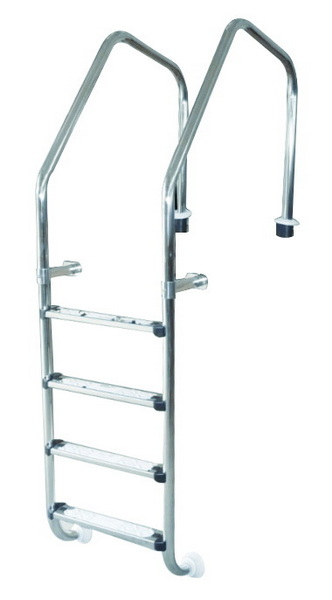
Above ground pool ladders are designed to withstand outdoor conditions, constant water contact, and repeated use. However, exposure to sunlight, pool chemicals, and harsh weather can cause wear or corrosion to different ladder parts over time. Regular inspection, cleaning, and, when necessary, disassembly protects your investment in pool equipment.
Disassembling the ladder may be needed for several reasons:
- Deep cleaning to remove accumulated debris and algae.
- Repair or replacement of worn steps or handrails.
- Winterizing or off-season storage to protect from frost and UV damage.
- Shipping the ladder for relocation or resale.
- Inspecting for safety and re-tightening loose hardware .
Frequent users, families with children, and pool businesses benefit from proactively maintaining ladders to avoid unexpected failures during the swim season.
Working with pool ladders involves heavy and sometimes slippery components. Proper safety precautions protect against accidents. Before starting:
- Wear cut-resistant gloves and non-slip shoes.
- Use a cushioned mat or towel beneath your workspace to catch falling hardware.
- Perform the disassembly in a dry space (ideally outdoors on a flat surface).
- Ensure the pool ladder is disconnected from all electrical sources (if equipped with LED lights or sensors).
- Prepare a first-aid kit for minor accidents.
- Never attempt disassembly while alone if the ladder is heavy; ask a friend or family member for assistance .
- Always keep children and pets away from the workspace.
Gather essential tools prior to starting, including:
- Adjustable wrench or socket set (for various bolt sizes)
- Phillips and flathead screwdrivers
- Rubber or plastic mallet
- Needle-nose pliers (for small pins or hardware)
- Penetrating lubricant (for rusted or stuck bolts)
- Soft brush, non-abrasive towels, and spray cleaner
- Waterproof containers or resealable bags for hardware
- Labels or masking tape for organizing removed parts
- Digital camera or phone (to photograph process steps)
- Owner's manual or a printout of manufacturer instructions
Selecting the right tools streamlines your disassembly and avoids damaging any parts, especially plastic or coated metal . If any custom parts are present, check with the manufacturer for tool recommendations.
Not all pool ladders are built the same. Familiarize yourself with your ladder's design, which may be:
- Single-sided (“A-frame”) ladders
- Dual entry-exit ladders for deeper pools
- Adjustable height models
- Combination ladders (integrated with a deck)
- Ladders with removable steps, self-latching gates, or built-in handrails
Most ladders, regardless of type, share common components:
- Handrails or grips
- Steps/treads
- Support or stabilizer bars
- Base/feet or anchor plates
- Locking pins, bolts, screws, and caps
Some premium models may include child-safety barriers, locking steps, or LED lighting requiring extra disassembly steps.
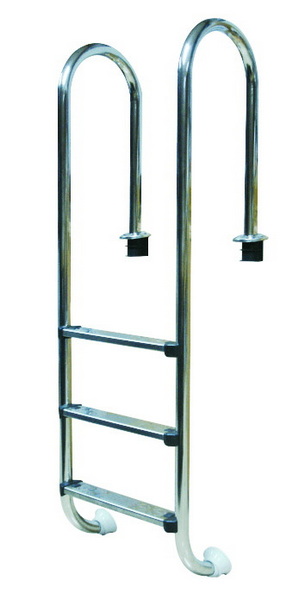
Before taking apart any components, remove the ladder completely from the pool water. This prevents accidental debris falling into the pool and eliminates hazards from wet or slippery parts. For heavy or anchored ladders, ask for assistance and use proper lifting technique (lift from legs, not back).
If your ladder features built-in lights or sensors, disconnect all cables and power sources before continuing. Follow the manufacturer instructions to avoid damaging electrical elements.
Carefully pry off any end caps or covers on handrails using a flathead screwdriver. Sometimes these are clipped or snapped in place; avoid excessive force to protect cosmetic finishes.
Most handrails attach to the ladder body with bolts or locking pins. Using your wrench and screwdriver, loosen these bolts on both sides while another person stabilizes the ladder. Remove handrails one at a time.
With handrails removed, easily access the step fasteners. Steps may use screws, bolts, or plastic pins. Remove them starting from the bottom up, collecting and labeling each piece.
Support bars, found on larger or commercial-grade ladders, add rigidity. Detach them following the manufacturer's order (usually from outermost to innermost sections). Use pliers if hardware is small or recessed.
Most bases are affixed with bolts or snap-fittings. Remove anchor bolts with your socket wrench or press the tabs on snap-fit models. For deck-mounted or integrated ladders, keep all base components together, as some models use unique parts that are easy to misplace.
As each part is removed, thoroughly clean it with spray cleaner and a soft brush. Dry all areas completely, look for signs of rust, cracking, or algae build-up. Replace any part that appears weakened or corroded.
If storing the ladder for the off-season, ensure all parts are dry and stored in a cool, shaded area. For repairs, take worn parts to your local pool supply provider or contact the ladder's manufacturer for suitable replacements.
Maintaining your pool ladder is just as important as understanding how to take it apart. Here are some proven tips:
- Routine Cleaning: Wipe down the ladder every month with a gentle detergent to prevent slippery films and scale buildup.
- Lubricate Metal Parts: Apply waterproof lubricant to joints and bolts after each season to reduce corrosion—especially in humid or saltwater areas.
- Check for Loosening: After each use, briefly inspect bolts and nuts for movement. Tighten as needed with the appropriate tool.
- Replace Damaged Steps: Don't wait for cracks to worsen. Most manufacturers offer replacement steps for modular ladders.
- Sun Protection: If possible, drape a UV-resistant cover over out-of-water ladders to minimize fading and brittleness.
Regular attention extends the life of your equipment and safeguards family and guests.
Even following every step, some issues may arise. Here are solutions to the most frequent problems:
- Stuck or Rusted Bolts: Apply penetrating lubricant, wait, and attempt removal with a proper socket. For persistent bolts, use a manual impact driver.
- Bent Rails or Steps: Use a rubber mallet for gentle realignment or consider full replacement if severe.
- Broken Plastic Fittings: Order OEM replacements using your ladder's model number.
- Lost Hardware: Use labeled bags during the process or create a log sheet with photos. Contact the manufacturer or a reputable pool parts supplier.
- Difficulty with Snap Fittings: Use a plastic pry bar instead of a screwdriver to avoid scraping or breaking the fitting.
For pool professionals, commercial pool owners, or anyone disassembling large or integrated ladders:
- Always consult the ladder's engineering drawings or video guide before starting.
- Use torque tools to avoid stripping bolts.
- For ladders with chemical dispensers or sensors, follow chemical handling procedures.
- If disassembling a ladder that has been in use for many seasons, inspect the pool wall or deck mounting points for structural integrity.
- Track all part numbers and photograph each step; this is especially important for OEMs managing assembly/disassembly across multiple sites or brands.
Pool owners worldwide have shared advice for easier and safer ladder disassembly:
- “Always take reference photos as you go. It's a lifesaver when reassembling months later.”
- “Store bolts and hardware in screw-top plastic jars so nothing gets lost.”
- “If a step seems stuck, gently wiggle rather than force it, to avoid cracked plastic.”
- “Check for ants or insects inside the hollow ladder—one surprise encounter convinced me to inspect every time!”
- “After reassembly, walk up the ladder slowly with someone spotting you to check for stability before general use.”
For pool equipment manufacturers and brand owners, designing pool ladders for easy disassembly is a key market advantage. Modern plants use intelligent machinery and modular engineering to ensure that every step and component can be removed and replaced simply, without specialized tools. OEMs and distributors should provide easy-to-follow guides, international technical support, and options for branded replacement components to meet the needs of overseas clients and wholesalers.
Taking apart an above ground pool ladder doesn't have to be daunting. With clear instructions, the right tools, and careful organization, pool owners can carry out maintenance tasks safely and efficiently. Routine maintenance, smart storage, and quick repairs ensure the ladder remains in top condition year after year. A well-maintained pool ladder supports a safe and enjoyable swimming environment, whether for a family home or commercial facility. Always review your ladder's specific instructions and don't hesitate to consult the manufacturer for replacement parts or additional guidance. By following best practices and learning from others, every pool owner can confidently maintain and prolong the life of their pool equipment .
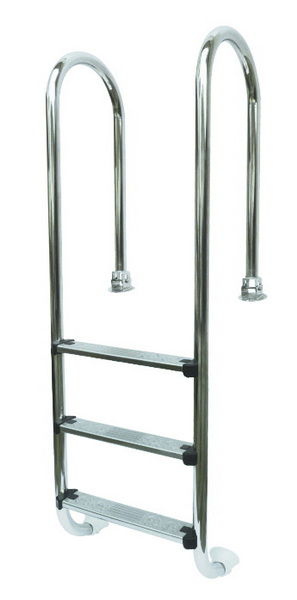
Yes, most above ground pool ladders only require standard hand tools such as wrenches and screwdrivers. If you encounter rusted bolts, a socket set or manual impact driver will help .
A full disassembly once per year is recommended, though monthly cleaning can be performed with the ladder in place .
Stop work, clean the area, and refer to your product manual. Most parts are easily replaceable—contact the manufacturer for OEM parts or compatible replacements .
For best results, dry and store the ladder indoors during freezing months to prevent cracking and corrosion. If left outside, use a heavy-duty cover .
Test stability by gently applying weight to each step and side. Check every bolt and pin is tight and that steps do not flex. If unsure, reference manufacturer diagrams .


