
Views: 222 Author: Tina Publish Time: 2025-12-21 Origin: Site


Content Menu
● Why You Might Need to Take the Ladder Apart
● Before You Start: Safety and Preparation
● Understanding Coleman Pool Ladder Construction
● Step 1: Lower the Water Level (If Necessary)
● Step 2: Clear and Prepare the Work Area
● Step 3: Unlock Safety Features (Gate or Removable Steps)
● Step 4: Remove the Ladder From the Pool
● Step 5: Identify the Locking Tabs, Pins, or Bolts
● Step 6: Release and Remove the Steps
● Step 7: Separate the Side Rails and Top Platform
● Step 8: Detach Feet and Optional Components
● Step 9: Clean All Disassembled Parts
● Step 10: Inspect for Damage and Plan Replacements
● Step 11: Store the Ladder Correctly
● How This Process Helps Brands, Wholesalers, and OEM Buyers
● FAQ: Taking Apart a Coleman Pool Ladder
>> 1. Can I take the ladder apart without removing it from the pool?
>> 2. What if the plastic tabs are too stiff or brittle?
>> 3. How long does it usually take to disassemble a Coleman ladder?
>> 4. Do I need any special tools?
>> 5. How should I store the hardware so I don't lose it?
Taking apart a Coleman pool ladder is straightforward once you understand how the plastic locking tabs, pins, and metal frame connect together. Disassembling the ladder correctly protects your pool liner, prevents cracked plastic, and makes off‑season storage or transport much easier.
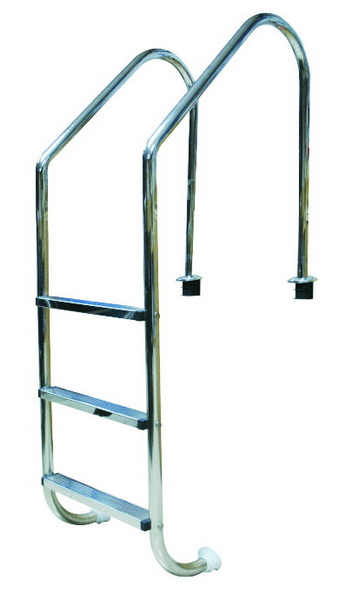
Coleman above ground pool ladders are designed to be removable so they can be stored, replaced, or serviced. Over time, exposure to UV light, chemicals, and heavy use can weaken steps or rail joints, making periodic inspection and disassembly important.
Common reasons to take apart a Coleman pool ladder include:
- Winter storage or long‑term shutdown of the pool.
- Replacing damaged or cracked steps or rails.
- Deep cleaning or refinishing the pool wall behind the ladder.
- Packing and moving the ladder with the pool to a new location.
Understanding these reasons helps you plan ahead for tools, replacement parts, and storage space rather than rushing the process at the end of the swimming season.
Working around water, metal, and plastic parts means you should prepare the area and your tools carefully. A dry, clutter‑free work zone reduces slip risks and makes it easier to handle the ladder sections safely.
Basic safety steps:
- Turn off and unplug pool equipment so hoses and cords are not in your way while you work around the ladder.
- Dry the deck or grass area where you will lay the ladder down after removal to avoid slipping.
- Wear protective gloves and safety glasses to protect from sharp edges, rust, and broken plastic.
- Ask a helper to assist if the ladder feels heavy or awkward, especially for taller A‑frame models.
Recommended tools and materials:
- Flathead screwdriver or small pry tool for plastic caps and tabs.
- Phillips screwdriver.
- Small rubber mallet to free stuck joints or pins.
- Adjustable wrench or socket set for any bolts.
- Penetrating lubricant for rusted fasteners (if present).
- Permanent marker and masking tape to label parts for reassembly.
- A tarp or large piece of cardboard to keep parts organized and clean.
Most Coleman above ground pool ladders are A‑frame designs with:
- Two side rails (inner and outer).
- Molded plastic steps.
- A top platform or bridge piece.
- Handrails and feet that may be weighed or vented.
The steps usually snap into the rails using molded plastic tabs or clips. The top platform and handrails typically attach with bolts, molded brackets, or snap‑in tongues. Some models also include:
- A lockable safety gate.
- A removable outer step section.
- Anti‑entrapment covers or child‑safety features.
Knowing where the clips and bolts are located makes it much easier to release each connection without breaking anything.
If the lowest steps sit deep in the water, the ladder will be more buoyant and harder to control. Lowering the water slightly can make the ladder lighter and give you better access to the lower connections.
Tips:
- Lower the water level around 12–18 inches below its normal height if the bottom steps are fully submerged.
- Use your pool filter system on “waste”, a submersible pump, or a siphon hose to remove water gradually.
- Do not fully drain an above ground pool unless you are taking down the entire pool; complete draining can damage the walls and liner.
A clean work zone makes the process smoother and safer. You will need space not only to lift the ladder out of the pool, but also to lay out and organize all the parts.
Do the following:
- Move toys, floats, chairs, and chemical containers away from the ladder area.
- Sweep or rinse the deck to remove sand, leaves, and slippery debris, then let it dry.
- Lay down a tarp, mat, or large piece of cardboard where you'll place the disassembled parts.
- Keep children and pets away from the work area while you're lifting and disassembling.
Many newer ladders use safety designs to prevent unsupervised entry. When present, these must be unlocked or removed before you handle the entire ladder.
Typical safety features:
- Flip‑up outside steps that lock into an upright position.
- A small gate that swings or lifts, then locks with a pin.
- Removable outer section that slides out when safety pins are removed.
General approach:
- Inspect the outer side of the ladder for lock bars, sliding pins, or latches.
- Release any locking pins and carefully flip or slide the safety feature according to the manual.
- Make sure nothing is still engaged that could snag while lifting the ladder out.
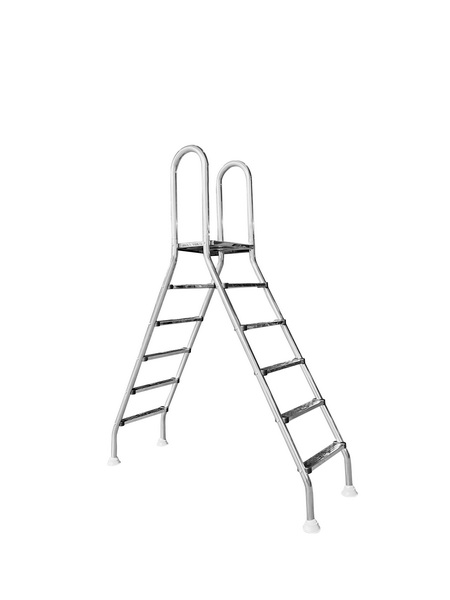
It is far easier to take the ladder apart on dry ground than while it is still in the pool. Once the safety features are disengaged, you can lift the entire ladder out as one assembly.
Steps:
1. Have one person stand inside the pool and another outside.
2. The person inside grasps the inner rails, while the outside helper grips the outer rails.
3. Lift together in a coordinated motion and tilt the ladder slightly away from the pool wall as it comes up.
4. Carry the ladder to your prepared work area and set it down gently, preferably upright at first to let any trapped water drain.
If the feet are filled with water or sand for ballast, allow them to drain or empty any removable ballast compartments to reduce weight.
Lay the ladder on its side or back so you can see the underside of each step. On many Coleman‑style ladders:
- Steps use flexible plastic clips or tabs that hook into the side rails.
- Some models have decorative caps that snap over these tabs.
- A few models may also include small bolts or screws at the ends of certain steps.
What to look for:
- Small rectangular cutouts or slots under the step near each rail.
- Slight seams where caps meet the main step body.
- Visible screws or pins at step ends or on the underside.
Use a flashlight if necessary and take photos before you start so you know exactly how everything fits for reassembly later.
Releasing the steps is the most delicate part of the process. The key is to flex the tabs just enough to free the step, not so far that the plastic cracks.
Step‑by‑step:
1. Start with the top step. Insert a flathead screwdriver into the notch or slot directly under one side of the step.
2. Twist gently to flex the tab outward or pop off any plastic cap hiding the tab.
3. While the tab is flexed, gently pull that side of the step outward or upward a few millimeters.
4. Repeat on the opposite side so both tabs are released.
5. Slide or lift the step completely free from the rails and set it aside on your tarp.
6. Move down to the next step and repeat the procedure until all steps are removed.
Tips for avoiding damage:
- Do not pry aggressively; small movements are better.
- If the plastic feels brittle or the temperature is low, warm the area with a hair dryer on low or warm water, then dry before prying.
- Label each step (top, middle, bottom) with masking tape so you can put them back in the original positions if you plan to reuse them.
After the steps are removed, the ladder is much lighter and easier to handle. You can now separate the structural pieces.
Typical connections at the top:
- Bolts that secure each rail to the platform, often with nuts on the underside.
- Molded tongues or hooks that slide into slots on the platform and are held with plastic clips.
Procedure:
1. Locate and remove any bolts, using a screwdriver and wrench as needed.
2. For snap‑in tongues, release the clip with a screwdriver, then slide the rail out of the platform socket.
3. Once both rails are free, remove any hardware from the platform and store fasteners in a labeled bag.
You can also remove handrails or optional accessories at this stage. Keep related bolts, washers, and small parts in separate, clearly marked bags so nothing is lost.
Some ladder feet and stabilizer bars are removable and may have their own fasteners or snap‑in joints. Detaching them makes storage more compact and allows closer inspection for wear.
Actions:
- Check whether the feet are held with screws, pins, or molded clips.
- If they contain ballast (water or sand), empty them fully.
- Remove any cross‑braces or stabilizer bars to break the frame down into smaller sections.
If you see cracks in the feet or heavy wear on the contact surfaces, plan to replace those parts before next season to improve stability and grip.
Cleaning the ladder thoroughly before storage extends its life and makes the next assembly faster and safer. Chemical residue, algae, and dirt can degrade plastic and metal hardware over time.
Cleaning tips:
- Mix a mild detergent with warm water in a bucket.
- Use a soft brush or sponge to scrub each step, rail, and platform piece.
- Pay special attention to locking tabs, hinges, and crevices where algae and scale accumulate.
- Rinse every part with clean water.
- Dry completely with towels and then air‑dry in the shade before storage.
Avoid harsh solvents or abrasive pads that can scratch and weaken the plastic or remove protective coatings.
With every component cleaned, inspect for wear and damage:
- Look for cracks, chips, or deep scratches on steps and rails.
- Check locking tabs for deformation or breakage.
- Inspect bolts, nuts, and metal inserts for rust and stripped threads.
If you find serious damage, consider ordering replacement parts or a replacement ladder rather than reusing compromised components. This is particularly important for:
- Cracked steps that could snap under load.
- Bent rails that will not sit square.
- Severely corroded hardware that can't be tightened securely.
If your pool business or brand uses OEM ladders, this is a good opportunity to review feedback, improve designs, and ensure replacement parts are easy for customers to obtain.
Proper storage protects the ladder during the off‑season and prevents the plastic from becoming brittle.
Best practices:
- Store parts indoors in a dry, cool space such as a garage, shed, or storage room.
- Keep components out of direct sunlight to minimize UV aging.
- Group parts into sets (rails together, steps together, hardware in bags) and label them clearly.
- Keep the user manual or a printed copy of assembly instructions with the parts.
If you're shipping or moving the ladder, pack it in a sturdy carton with padding around sharp corners and hardware bags taped securely inside.
For brands and wholesalers, ladders that are easy to assemble and disassemble reduce returns, support calls, and installation time. A clear disassembly process:
- Makes end‑of‑season storage and inspection simple.
- Encourages proper maintenance and reduces accidents.
- Supports efficient shipping and warehousing.
OEM‑friendly ladder design typically includes:
- Clearly marked locking tabs and tool‑free joints where possible.
- Standardized hardware for fast replacement.
- Manuals with clear diagrams, QR codes linking to videos, and multilingual support.
If your company works with an OEM manufacturer for ladders and pool accessories, including disassembly and storage guidance in your branding materials can improve customer satisfaction and reduce warranty claims.
Taking apart a Coleman pool ladder is mostly about preparation, patience, and knowing where the locking tabs, pins, and bolts are located. By lowering the water level if needed, clearing the work area, lifting the ladder out of the pool, releasing each step carefully, separating rails and platform, and then cleaning, inspecting, and storing the parts correctly, you protect both the ladder and your pool while making next season's setup faster and safer. For brands, wholesalers, and OEM partners, emphasizing easy disassembly and clear guidance in product design and documentation adds real value, reduces support costs, and improves the overall experience for pool owners.
It is technically possible but not recommended. Working in the water makes the ladder buoyant, hides important joints, and increases the risk of slipping or damaging the liner. Removing the ladder to a flat, dry surface gives you much more control and better visibility.
If the tabs feel very stiff, warm them gently with a hair dryer on low or warm (not hot) water and dry them before prying. Work slowly, flexing the tab just enough to release the step. If the plastic is badly aged and cracks easily, you may need replacement steps or a new ladder.
For a typical A‑frame model, plan about 30–60 minutes the first time, depending on your familiarity and whether any hardware is rusted. Once you know where the tabs and bolts are, future disassemblies are often much faster.
Most models can be taken apart with basic household tools: a flathead screwdriver, a Phillips screwdriver, a small wrench or socket, and possibly a rubber mallet and lubricant for stuck parts. You generally do not need power tools and should avoid them near fragile plastic clips.
Place bolts, nuts, and small plastic pins in a resealable bag and label it clearly (for example, “Coleman ladder hardware”). Tape the bag to a larger part such as the platform or store it inside the box with the manual to make reassembly easier next season.


