
Views: 222 Author: Tina Publish Time: 2025-08-12 Origin: Site


Content Menu
● Understanding Pool Vinyl Fittings
>> Common Types of Vinyl Fittings
● Factors That Cause Fittings to Fail
● Preparation and Safety Measures
● Detailed Replacement Process
>> Step 1: Lowering & Managing the Water Level
>> Step 2: Removing Old Fittings & Faceplates
>> Step 3: Inspecting the Liner and Wall Structure
>> Step 4: Installing Gaskets, Faceplates & Replacement Fittings
>> Step 5: Reconnecting Plumbing and Accessories
>> Step 6: Refilling the Pool and Final Checks
● FAQs
>> 1. Do I have to drain the pool completely?
>> 2. Can I use universal gaskets?
>> 3. What tools are most critical for the job?
>> 4. How long should the replacement take?
>> 5. Will replacing fittings fix all leaks?
Vinyl-lined pools remain a popular choice for residential and commercial installations. Their flexibility, attractive appearance, and smooth surface make them easier to clean and maintain compared to some alternatives.
However, vinyl pool fittings—which include return fittings, skimmer faceplates, main drain covers, and light niches—are the critical points where the liner interacts with the plumbing or electrical systems. These junctions must be properly sealed to prevent leaks that can damage the pool structure or surrounding ground.
The process to replace inground pool vinyl fittings can be done as a DIY project, but it demands accuracy, patience, and the correct procedure. Improper installation can quickly lead to water loss or damage to expensive equipment.
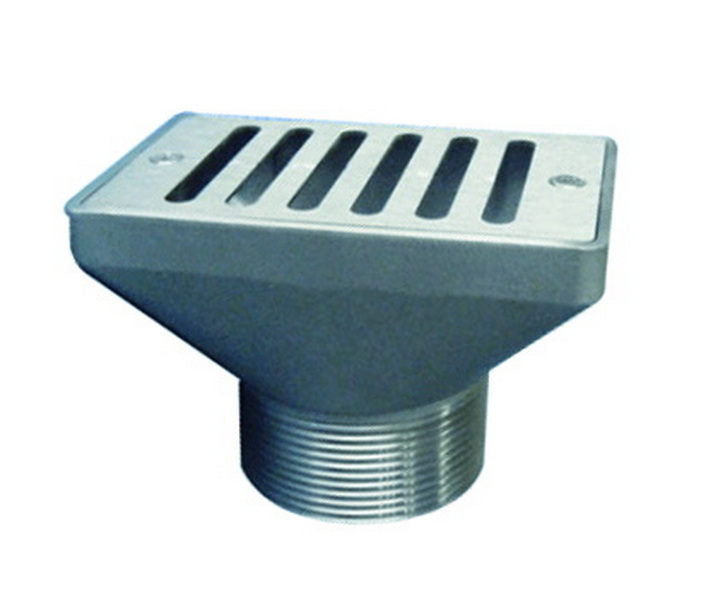
In a typical inground vinyl pool, you may find:
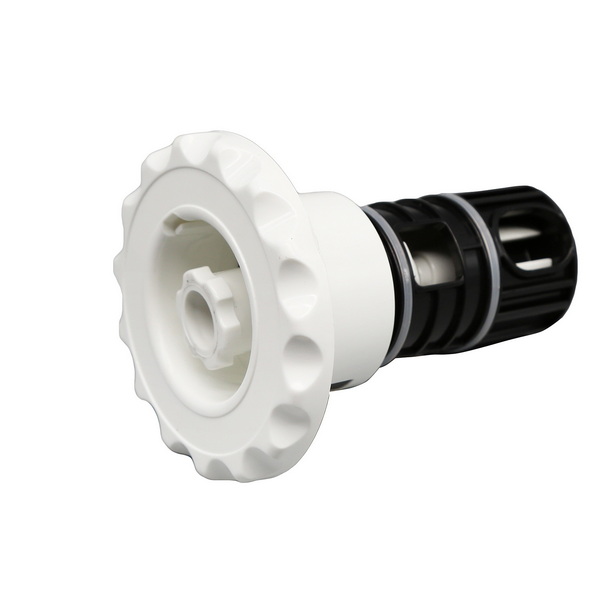
- Return Fittings – Allow treated water from the pump and filter back into the pool.
- Skimmer Faceplates – Frame and seal the skimmer opening; secure the liner around it.
- Main Drain Covers – Located at the pool bottom to draw water for circulation and filtration.
- Light Niches – Hold underwater pool lights; sealed against leaks.
- Step & Ladder Escutcheons – Seal around steel or plastic steps or ladders.
Vinyl pool fittings rely on sandwich sealing. Typically, a gasket is installed behind the liner and another on the outer side, with the liner material compressed in between. The faceplate screws securely into the fitting housing to evenly clamp the liner, preventing water from escaping into the wall cavity.
- Aging & Material Degradation: UV rays cause plastics to become brittle over years.
- Chemical Attack: High chlorine or incorrect pH can damage gasket elasticity.
- Thermal Expansion: Seasonal temperature changes can loosen screws or damage seals.
- Physical Impact: Pool cleaners, vacuums, or swimmers can sometimes stress fittings.
- Improper Installation: Misaligned gaskets or over-tightened screws lead to premature wear.
Materials:
- Replacement fittings (OEM preferred)
- New gaskets (one under liner, one on top)
- Stainless-steel screws (#3 Phillips head)
- Optional wall foam patches
Tools:
- #3 Phillips screwdriver (manual)
- Cordless drill for initial screw removal
- Utility knife (sharp blades for clean cuts)
- Liner bead tool
- Shop vacuum
- Soft push broom
- Pool-safe adhesive
- Safety gear: gloves, goggles
- Drain Water – Lower to at least 2 inches below the target fitting.
- Dry & Clean – Ensure working surfaces are free of debris.
- Weather – Avoid extreme heat or cold; aim for 60°F–80°F conditions.
- Power Safety – Always turn off pool electrical circuits before handling lights.
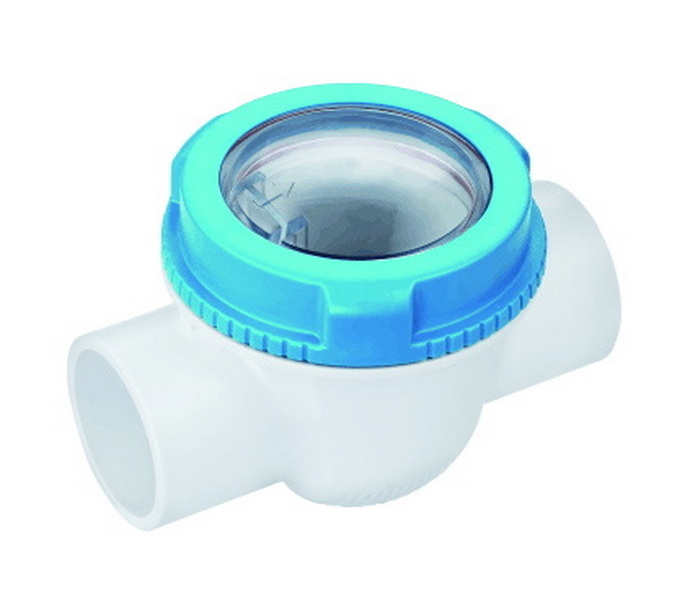
- Use a submersible pump to drain just enough water to expose the fitting.
- Keep the liner supported by retaining some water; full drainage is unnecessary unless replacing the liner entirely.
- Remove screws in a cross pattern to keep even tension release.
- Pull out faceplate gently; if stuck, tap lightly with a non-metallic tool.
- For skimmer areas, gently disengage liner bead from coping track if it obstructs removal.
Pro Tip: Keep screws organized; stainless steel is ideal for replacement.
- Check for corrosion, dents, or cracks on the wall panels.
- If wall foam is damaged or brittle, replace it before installing the new fitting.
- Repair rust spots with a rust converter or patch plates.
- Place one gasket behind the liner (between liner and wall) and one on top of the liner for a watertight sandwich.
- Align new faceplate to match screw holes exactly—no stretching of liner material should occur.
- Insert screws by hand sequentially in a star (cross) pattern to avoid warping.
- With lights, follow manufacturer cord loop requirements to ensure serviceability.
Pro Tip: Snug-tight is the goal—do not overtighten screws as it may crack the faceplate.
- Reattach water lines on the exterior side of the wall fitting.
- For skimmers, ensure the weir door moves freely after installation.
- Reinstall ladders or steps, making sure all escutcheons are sealed.
- Use a shop vacuum behind the liner to pull it tight and eliminate wrinkles while filling.
- As water covers the fittings, double-check for leaks.
- Restart circulation system, check pressure, and balance water chemistry.
- Small Drips – Usually due to uneven gasket compression; loosen and retighten screws evenly.
- Persistent Leaks – Check for liner crease or damage near the seal.
- Warped Faceplate – Replace immediately; warped plastic cannot form a uniform seal.
- Inspect fittings at least once per swimming season.
- Avoid harsh scrubbing tools directly on the liner around fittings.
- Maintain balanced water chemistry to protect gaskets.
- Consider replacing hardware every 5–7 years for preventive maintenance.
Replacing inground pool vinyl fittings is a manageable task for a knowledgeable DIY pool owner and essential for any pool maintenance contractor. By carefully lowering water levels, removing outdated hardware, inspecting, and properly installing new gaskets and faceplates, you can ensure a watertight seal that extends the lifespan of your vinyl liner.
No. Lowering the water just below the fitting level is typically sufficient.
OEM gaskets are recommended to ensure a precise fit and reliable seal.
A #3 Phillips screwdriver, utility knife, and shop vacuum are essential.
For one fitting, 30–60 minutes. For multiple fittings, plan half a day.
Only if the leak originates from a degraded fitting or gasket. Liner tears require separate repair.


