
Views: 222 Author: Tina Publish Time: 2025-12-08 Origin: Site


Content Menu
● When to Replace Pool Ladder Anchors
● Safety and Code Considerations
● Tools and Materials You'll Need
● Step 1: Remove the Ladder and Old Hardware
● Step 2: Expose and Remove the Existing Anchors
● Step 3: Locate and Inspect the Bonding Wire
● Step 4: Prepare New Anchor Holes
● Step 5: Install the New Ladder Anchors
● Step 6: Reinstall the Ladder
● Step 7: Final Safety Checks and Testing
● Maintenance Tips to Extend Anchor Life
● Working With Professional OEM Suppliers
● FAQs About Replacing In Ground Pool Ladder Anchors
>> 1. How do I know what size anchors I need?
>> 2. Do all ladder anchors need to be bonded?
>> 3. Can I replace ladder anchors myself, or do I need a professional?
>> 4. How long does it take for new anchors to be ready for use?
>> 5. What if my deck cracks when I remove the old anchors?
>> 6. Are plastic ladder anchors safe and durable?
Replacing in ground pool ladder anchors is essential for keeping your pool safe, preventing corrosion damage, and ensuring the ladder feels solid under every swimmer's weight. With the right tools, correct anchor size, and proper bonding, most pool owners or maintenance teams can complete this job in a few hours.[1][2][3]
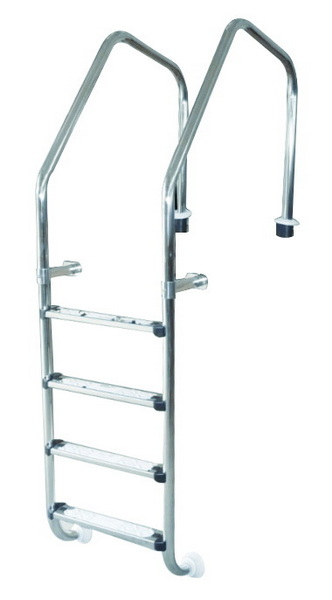
In ground pool ladder anchors are metal or high‑strength plastic cups set into the pool deck that hold the ladder rails firmly in place. They keep the ladder from wobbling or pulling out of the deck when swimmers climb in and out.[4][5][6][3]
Most modern inground anchors are designed for 1.90 inch (≈48 mm) stainless steel rails and include internal wedge mechanisms or bolts to clamp the rails. Many bronze anchors have a bonding/grounding lug that connects to the pool's equipotential bonding grid for electrical safety.[7][2][5][8]
Anchors should be replaced when they are structurally weak or no longer hold the ladder securely. Warning signs include:[3][1]
- Heavy rust or pitting on bronze/steel anchor bodies, wedges, or bolts.[9][10]
- Ladder rails wobbling even after tightening bolts or wedges.[11][3]
- Cracked or loose concrete surrounding the anchor pocket.[1][3]
- Missing or damaged bonding lug or broken bonding wire connection.[2][12]
If you notice electric tingling when touching the ladder or rail, stop using the pool and have a licensed electrician inspect the bonding and grounding immediately.[8][2]
Pool ladder anchors are not just mechanical supports; they are part of the safety and electrical bonding system around the pool. Most codes based on NEC Article 680 require all metal parts (including ladder anchors and rails) within about 5 ft of the water to be bonded together to equalize electrical potential.[12][2][8]
Key safety rules:
- Turn off power to all pool equipment at the breaker before working around wet areas or metal parts.[2][8]
- Preserve the #8 solid copper bonding wire loop and reconnect it to new anchors.[1][2]
- If you are unsure about bonding or local requirements, consult a qualified electrician or pool professional.[12][2]
Before starting, gather the right tools and replacement parts so the job goes smoothly.[9][1]
Tools
- Socket set or wrench set for anchor bolts/wedges.[6][9]
- Hammer and cold chisel or small concrete chipping hammer.[9][1]
- Core drill or masonry drill with correct diameter bit (commonly 1.5–2 in).[3][1]
- Flat screwdriver or pry bar.
- Tape measure and marker or chalk line.[1]
- Multimeter for checking bonding continuity (optional but recommended).[8][1]
Materials
- New inground ladder anchor cups sized for your ladder rails (often 1.9 in OD rail).[5][7]
- Non‑shrink grout or high‑strength anchoring cement to set the cups.[3][1]
- #8 bare copper bonding wire, clamps, and stainless steel hardware if bonding needs repair.[2][1]
- Escutcheon plates (decorative covers) if the old ones are corroded or damaged.[13][7]
Start by clearing the area so you can access the anchor cups.[14][1]
1. Loosen wedge bolts or anchor screws inside each anchor cup using a socket or wrench until the clamping pressure on the ladder rails is released.[6][9]
2. Wiggle the ladder rails while pulling upward to remove the ladder from the anchors.[9][3]
3. Slide off escutcheon plates or decorative covers and set them aside if you plan to reuse or measure them.[7][14]
How you remove the old anchors depends on whether they are cast‑in‑place or deck‑mounted.[1][9]
- Deck‑mounted anchors (surface base plates bolted to concrete): Remove the mounting bolts and lift the entire anchor assembly away from the deck.[5][6]
- Cast‑in‑place anchors (cups embedded in concrete):
- Chip or core drill around the anchor until the full cup body is exposed.[9][1]
- Extract the cup with pliers, pry bar, or pipe wrench once the surrounding concrete is loosened.[9]
For severely corroded anchor tubes, there may be concrete or rust buildup inside; gently break and clean it out to free the anchor. Work slowly to avoid cracking a large area of the pool deck.[3][9]
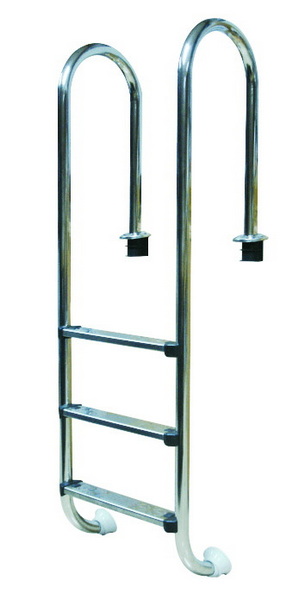
Once the old anchor is removed, you should find the bonding wire loop near the anchor pocket.[8][1]
- Look for a bare copper wire connected to the old anchor body or lug.[2][8]
- Inspect the wire for corrosion, breaks, or loose clamps.[12][1]
- Gently pull enough wire into the opening so it can be reattached to the new anchor lug without strain.[1]
If the bonding wire is missing or damaged, call an electrician or pool professional, as the bonding grid may need repair to meet safety codes.[12][2]
Good preparation is critical for a strong, long‑lasting anchor installation.[3][1]
- Measure the spacing of the ladder rails (center‑to‑center) and ensure the new anchor locations match the ladder design.[14][3]
- Drill or core the holes to the correct diameter and depth for the anchors, typically slightly larger than the outside of the anchor cup.[1]
- Clean out dust, loose concrete, and debris with a shop vac or brush so the grout bonds well.[9][1]
Check that anchor tops will sit flush with or slightly below the finished deck surface, leaving room for escutcheons to sit flat.[7][6]
Now you can set the new anchors in place.[5][1]
1. Dry‑fit anchors in the holes to confirm correct depth and orientation of the bonding lug and wedge mechanism.[1]
2. Attach the bonding wire securely to the anchor lug using a listed clamp or stainless screw; connections should be tight and free of corrosion.[2][1]
3. Mix non‑shrink grout or anchoring cement following manufacturer instructions and pour or trowel it around the anchor cup, making sure it fills voids without air pockets.[3][1]
4. Use a level to keep the anchor tops square and aligned with each other, matching the ladder rail angle.[3][1]
Allow the grout or concrete to cure fully—commonly 12 to 24 hours—before installing the ladder.[1]
Once the anchors are fully cured, the ladder can be reinstalled.[6][1]
- Slide escutcheon plates onto the ladder rails if used, then insert the rails into the new anchor cups as far as they will go.[14][7]
- Align the ladder so the steps are level and parallel to the pool wall, adjusting rail spacing if needed.[6][3]
- Tighten wedge bolts or clamping screws until the ladder feels secure but avoid over‑tightening that might deform the rails or hardware.[11][1]
Before opening the pool to swimmers, carry out a complete safety check.[3][1]
- Shake the ladder vigorously to confirm there is no movement or rocking at the anchors.[3]
- Use a multimeter or continuity tester to verify that the anchor lugs are bonded to the rest of the pool's bonding grid within acceptable resistance limits (often within about 1 ohm).[8][12]
- Inspect the deck area for cracks, voids, or trip hazards, and ensure escutcheons cover the anchor openings neatly.[14][1]
If any electrical reading is abnormal or you are not confident in the bonding, have a licensed electrician verify the installation.[12][2]
With proper care, quality ladder anchors can last many years even in harsh pool environments.[1][3]
- Rinse around anchors and ladder rails periodically with fresh water, especially in saltwater or heavily chlorinated pools, to reduce corrosion.[10][14]
- Inspect wedge bolts, anchor cups, and escutcheons at least once per season for rust, cracks, or looseness.[11][3]
- Apply a thin layer of silicone grease to interior metal parts where recommended to reduce seizing and make future removal easier.[11][9]
If you are specifying anchors for new pools or renovations, choose corrosion‑resistant bronze or high‑density plastic anchors from reputable pool hardware suppliers, matched exactly to your ladder rail size.[7][5]
For commercial facilities, builders, and foreign brands, partnering with an OEM pool equipment factory can simplify anchor and ladder selection.[3][1]
- Integrated packages that include ladders, matching 1.90‑inch anchors, escutcheons, and fasteners reduce compatibility problems and installation time.[7][6]
- Professional factories that also produce pool filters, pumps, and LED lights can deliver full system solutions under your brand, helping standardize spare parts and maintenance.[14][1]
OEM cooperation also allows customization of ladder step design, deck hardware, and surface finishes for different markets and pool types.[1][3]
Replacing in ground pool ladder anchors is a structured process that starts with safe ladder removal, continues through careful extraction of old anchors and inspection of bonding, and ends with precise installation and testing of new anchor cups. When done correctly using quality components and proper bonding techniques, the result is a stable, corrosion‑resistant ladder attachment that improves swimmer safety and reduces future maintenance for both residential and commercial pools.[9][3][1]
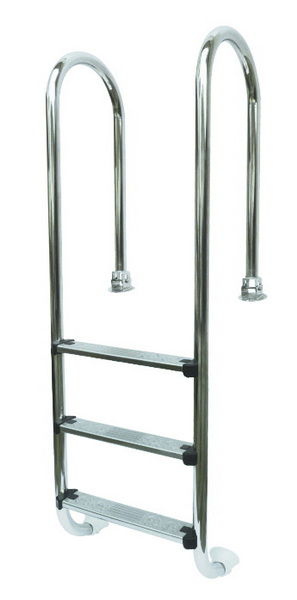
Most standard inground pool ladders use 1.90 inch outside‑diameter rails, so anchors are sized to that measurement, but you should always measure your ladder rails and confirm sizing with the supplier. If you use non‑standard rails or custom ladders, choose anchors recommended by the manufacturer to ensure proper fit and safety.[4][5][6][7]
Any metal ladder anchor within about 5 ft of the pool water is normally required to be bonded to the pool's equipotential bonding grid according to NEC‑based codes. This bonding equalizes voltage and helps prevent electrical shock, so you should never ignore or remove bonding wires during replacement.[2][12][8]
Many experienced DIYers can replace deck‑mounted or lightly embedded anchors using basic tools, but cast‑in‑place anchors often require concrete cutting and careful handling of bonding wires. If you are uncomfortable working with concrete, electricity, or local code requirements, hiring a pool contractor or electrician is the safer choice.[2][9][3][1]
Non‑shrink grout or anchoring cement typically needs about 12–24 hours to cure before the ladder is reinstalled and loaded with weight, but always follow the specific product instructions. Using the ladder too early can weaken the bond between the anchor and concrete, leading to premature loosening or deck damage.[3][1]
Minor chipping and small cracks can often be repaired with patching compounds once the new anchors are set and cured. If large sections of deck break away or you see structural damage, consult a concrete or pool professional to rebuild the area so it can safely hold the ladder and anchors.[9][3]
High‑density engineered plastic anchors from reputable manufacturers are designed to withstand pool chemicals and UV exposure while providing strong support for stainless steel rails. They are commonly used where corrosion is a concern, but they still require correct installation, suitable grout, and proper ladder fit.[5][7][3]
[1](https://www.poolkingfilter.com/how-to-replace-inground-pool-ladder-anchors.html)
[2](https://schillerpools.com/electrical-bonding-grounding-pools/)
[3](https://www.svadonpoolcn.com/best-pool-ladder-in-ground-features-safety-installation-guide/)
[4](https://intheswim.com/inground-pool-ladders-steps/)
[5](https://www.poolweb.com/collections/deck-anchors)
[6](https://cincinnatipoolandpatio.com/choosing-pool-ladders/)
[7](https://www.getpoolparts.com/section/18/ladder-parts)
[8](https://www.riverpoolsandspas.com/blog/pool-bonding-handrails-coping-shock)
[9](https://www.poolkingfilter.com/how-to-remove-pool-ladder-anchors-in-concrete.html)
[10](https://www.facebook.com/groups/637529959937311/posts/2640659019624385/)
[11](https://www.reddit.com/r/pools/comments/1loog8w/pool_ladder_anchor_issues/)
[12](https://forums.mikeholt.com/threads/pool-grounding.34802/)
[13](https://pool-spa-supplies.com/perma-cast-anchor-socket-perma-cast-bronze-1-9-rails-ladders-4-ps-4019-bc)
[14](https://www.poolkingfilter.com/how-to-put-pool-ladder-in-pool.html)
[15](https://www.youtube.com/watch?v=kBZZrt8Gop4)
[16](https://www.youtube.com/watch?v=tn-SqBQe26c)
[17](https://www.youtube.com/watch?v=cqGXFASqmak)
[18](https://www.reddit.com/r/pools/comments/13ap2l4/advice_how_to_fix_ladder_mount/)
[19](https://www.ebay.com/itm/389152104501)
[20](https://www.homedepot.com/p/6-Inch-Surface-Mount-for-1-9-Inch-OD-Swimming-Pool-Ladder-or-Rail-White-SB-F-W/310300449)


