
Views: 222 Author: Tina Publish Time: 2025-12-25 Origin: Site


Content Menu
● Understanding Pump vs. Motor
● Step 1: Shut Off Power and Relieve Pressure
● Step 2: Disconnect Wiring and Bonding
● Step 3: Separate the Pump Housing from the Motor
● Step 4: Remove the Diffuser and Access the Impeller
● Step 5: Detach the Impeller from the Motor Shaft
● Step 6: Remove the Seal Plate and Finish Separating Pump and Motor
● Reassembly Tips After Removal
● OEM and Upgrade Opportunities
● FAQs About Removing a Pool Pump from the Motor
>> 1. Do I need to remove the pump from the plumbing to remove the motor?
>> 2. Should I always replace the shaft seal when I remove the motor?
>> 3. What if the impeller will not come off the motor shaft?
>> 4. Can I upgrade to a variable‑speed motor when I remove the old one?
>> 5. How long does it take to remove a pump from the motor?
>> 6. Is it safe to reuse old gaskets and O‑rings?
>> 7. What signs tell me I should remove the pump from the motor and inspect it?
Removing a pool pump from its motor is a key step for repairs, seal replacement, or motor upgrades, and it is manageable for a careful DIY pool owner who follows strict electrical and safety rules. Understanding the basic structure of the pump and motor assembly helps you separate them without damaging the housing, impeller, or seals.[1][2][3][4]
As a professional Chinese factory specializing in premium sand filters, DE filters, cartridge filters, pool pumps, LED pool lights, and accessories, this guide is written both for end users and for international brands, wholesalers, and manufacturers sourcing OEM filtration systems and pumps for residential and commercial pools.
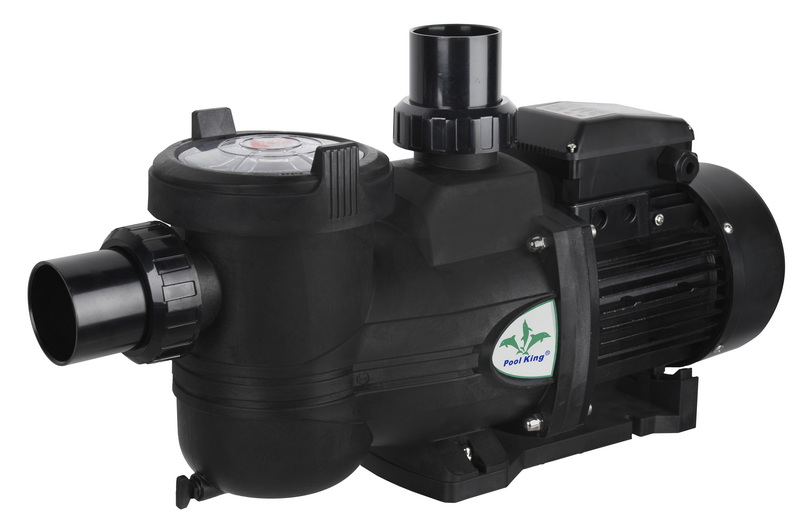
The “pool pump” people talk about is actually a complete assembly that includes the wet end (housing, basket, diffuser, impeller, seals) and an electric motor bolted together. The motor provides the rotational power, while the wet end moves water through your sand, cartridge, or DE filter and back to the pool.[3][4]
A typical in‑ground pool pump has:
- Strainer/basket housing and clear lid
- Pump housing (volute) with suction and discharge ports
- Diffuser and impeller inside the housing
- Seal plate with shaft seal between wet end and motor
- Electric motor attached at the rear with 4–8 bolts or a clamp band[5][4]
Working on a pool pump involves electricity, water, and rotating parts, so the first step is always to shut off and verify power at the breaker before touching any wiring or loosening the pump from the plumbing. Many professional technicians also use a non‑contact voltage tester or lock‑out/tag‑out procedure to avoid accidental re‑energizing while the motor is off the pump.[2][6][1]
Key safety practices:
- Turn OFF the pool pump breaker and any timer or automation system
- Confirm power is off at the motor terminals with a tester
- Wear safety glasses and gloves when working around brittle plastic and rusted bolts
- Avoid working in wet standing water around the equipment pad[1][2]
The exact tools differ slightly by pump brand (Hayward, Pentair, Sta‑Rite, etc.), but most motor removal jobs use standard hand tools. Having everything ready before you start makes it easier to separate the pump from the motor without rushing or forcing stuck parts.[7][8][5][1]
Basic tools:
- Screwdrivers (flat and Phillips)
- Nut drivers or socket set (commonly 7/16", 9/16", 1/2")
- Allen (hex) keys for diffuser screws on some models[9][7]
- Adjustable wrench or box wrenches
- Strap wrench for stubborn impellers
- Non‑contact voltage tester
- Pliers and wire cutters/strippers
- Marker and masking tape for labeling wires[2][1]
Optional, but recommended:
- Replacement shaft seal and O‑ring kit (Go‑Kit) matched to pump model[7][1]
- Silicone‑based lubricant for O‑rings
- Rust penetrant for seized bolts
- Small plastic container for bolts and small parts[7]
1. Turn off power at the breaker
- Locate the breaker dedicated to the pool pump and switch it to OFF.[1][2]
- Turn off any mechanical timer or automation panel controlling the pump.
2. Verify no power at the motor
- Remove the small electrical cover on the back of the motor.
- Use a non‑contact voltage tester to confirm all terminals are dead.[6][2]
3. Relieve system pressure and drain pump
- Close valves as needed to prevent backflow from the pool.
- Open the air relief valve on the filter to release pressure.
- Remove the drain plug(s) on the pump housing to empty any trapped water.[10][2]
Before you can completely remove the pump from the motor, you must disconnect electrical connections safely and label them for later reassembly. Taking clear photos with a phone helps you remember the wire locations when you re‑install the motor or pump.[2][6][1]
Steps:
- Remove the electrical cover on the rear of the motor.
- Note or photograph how the line, neutral (or two hots for 230 V), and ground wires are connected.
- Use masking tape and a marker to label each wire (L1, L2, neutral, ground, etc.).[2][1]
- Loosen the terminal screws and gently pull the wires free.
- Loosen the conduit fitting or waterproof elbow and pull the wires out of the motor junction box.[11][6]
- Disconnect the external bonding wire from the motor bonding lug using a screwdriver.[11][2]
Most pool pumps are designed so that the motor and seal plate detach from the pump housing as one unit, leaving the plumbing connections undisturbed. This is usually done either by loosening a clamp band or removing a circle of bolts around the seal plate.[5][1]
For clamp‑style pumps:
- Locate the large circular clamp band between the motor back plate and pump housing.
- Loosen the clamp nut evenly and remove the band.
- Gently pry the seam apart using a flat screwdriver, being careful not to gouge the plastic.[9][10]
- Pull the motor and seal plate straight back from the pump housing.
For bolt‑style pumps:
- Identify the 4–8 bolts around the perimeter of the seal plate.
- Use the correct socket (often 9/16") to remove these bolts.[5][6]
- Tap lightly on the seal plate with a rubber mallet to break the seal.
- Pull the motor and rear section of the pump away from the housing as one assembly.[5][1]
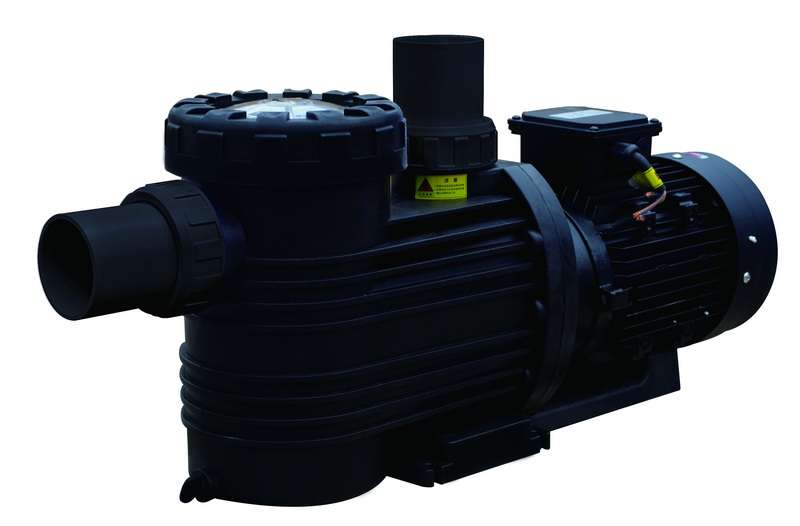
Once the motor and rear wet‑end are off the plumbing, you will see the diffuser covering the impeller. The diffuser guides water into the impeller and must be removed before you can detach the impeller and separate the pump from the motor shaft.[4][5][1][7]
Steps:
- Inspect the diffuser for small screws (often Allen/hex) or clips holding it in place.
- Remove these screws with the correct Allen key or screwdriver.[9][7]
- Pull the diffuser straight off and set it aside, noting its orientation for reassembly.
Check the diffuser gasket or O‑ring for wear, cracks, or flattening, since this is a common leak point and often replaced during motor service.[4][9]
The impeller is threaded onto the motor shaft or secured with a center screw, and removing it is the critical step that truly separates the pump internals from the motor. Different brands handle this slightly differently, so always check for a reverse‑thread locking screw before twisting the impeller.[12][1][7]
Typical procedure:
1. Check for a locking screw
- Look for a small screw in the center of the impeller.
- If present, remove it by turning clockwise because it is usually reverse‑threaded.[1][7]
2. Hold the motor shaft
- At the back of the motor, remove the protective cap.
- Use a wrench to hold the flat-sided shaft or insert a screwdriver between the motor cooling fins (as allowed) to stop the shaft from spinning.[12][1]
3. Unscrew the impeller
- Turn the impeller counterclockwise by hand to unscrew it from the shaft.[12][5]
- For stubborn impellers, use a strap wrench while keeping the shaft firmly held.
After the impeller is removed, you will see the shaft seal (ceramic and graphite faces), which should be replaced whenever the motor is serviced or changed.[7][1]
With the impeller removed, the seal plate (sometimes combined with a mounting bracket) is the last wet‑end component still attached to the motor. Once you remove the bolts, the motor is completely free and can be replaced, serviced, or upgraded as needed.[5][2][4][7]
Steps:
- Locate the bolts holding the seal plate to the motor face (often 4 bolts).[5][7]
- Remove these bolts with the correct socket.
- Gently pull the seal plate and shaft seal off the motor shaft, taking care not to scratch the ceramic sealing surface if you plan to reuse it.[4][1]
At this point, the motor is fully separated from the pump components, and you can:
- Install a new or rebuilt motor
- Replace the shaft seal and O‑rings
- Inspect and replace worn impellers, diffusers, or housings[8][1]
When reinstalling the motor or remounting the pump parts, attention to sealing surfaces and torque prevents leaks and early failure. It is also the perfect time to upgrade to a more efficient single‑speed or variable‑speed motor, especially for energy‑sensitive markets and OEM product lines.[13][8][1][7]
Reassembly guidelines:
- Always use a new shaft seal suitable for your pump model.
- Clean all mating surfaces and apply a thin film of silicone lubricant to O‑rings (never use petroleum grease).[1][7]
- Tighten bolts evenly in a cross pattern, avoiding over‑tightening that can crack plastic housings.
- Reconnect wiring exactly as labeled and confirm correct voltage selection on the motor nameplate.[8][1]
Although removing a pool pump from its motor is a realistic DIY project for many owners, there are situations where a licensed electrician or pool professional should handle the job. This is especially true for commercial installations, complex automation systems, and 3‑phase or high‑voltage equipment.[8][2][1]
Call a pro if:
- You are not fully comfortable working with electrical wiring and breakers
- The pump is hard‑plumbed in a tight space where cutting and re‑plumbing are required
- Bolts, clamps, or housings are heavily corroded or cracked
- Local regulations require a certified technician for any pool electrical work[8][2]
For brands, wholesalers, and manufacturers, motor removal and replacement is also an opportunity to standardize on higher‑efficiency motors and robust wet‑end designs for global markets. OEM buyers increasingly prefer pump and filter systems that are easy to service, with long‑life seals, accessible fasteners, and clear documentation for technicians.[13][8][4]
As a Chinese factory producing high‑end sand filters, cartridge and DE filters, pool pumps, LED lights, and accessories, offering complete OEM solutions allows partners to:
- Customize branding, voltage (115/230 V), frequency (50/60 Hz), and connection types
- Optimize pump curves, motor efficiency, and compatibility with modern automation
- Reduce service time for installers by using standard seal kits and easy‑access housings
Removing a pool pump from its motor follows a clear sequence: shut off and verify power, disconnect wiring and bonding, separate the motor and seal plate from the housing, remove the diffuser, unscrew the impeller, and finally detach the seal plate from the motor. Done carefully, this process allows safe motor replacement, seal upgrades, and pump repairs without damaging the housing or plumbing, extending the life of the entire filtration system for both residential and commercial pools.[7][8][5][1]
For OEM partners and pool professionals, thoughtful pump and motor design—with easy service access, standard seal kits, and efficient motors—lowers lifecycle cost and improves customer satisfaction across different markets.[13][8]
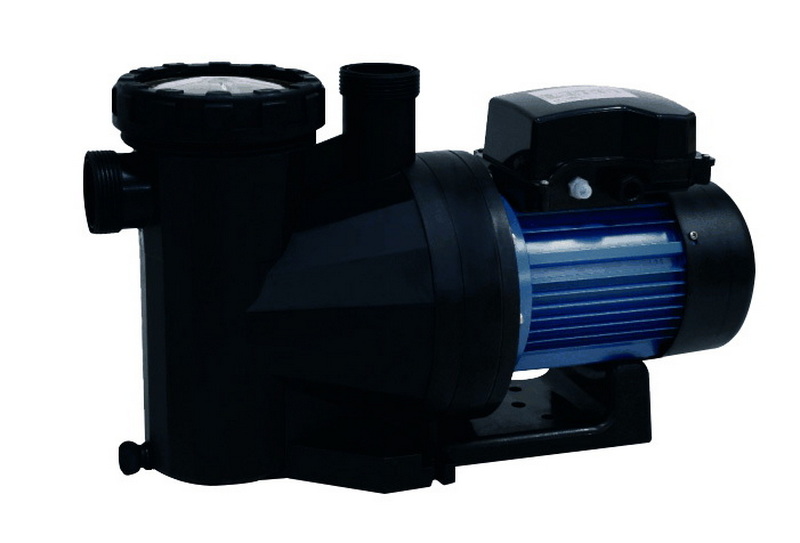
In most cases, you do not need to cut or disconnect the plumbing; the motor and rear wet‑end components separate from the pump housing, which stays connected to the pipes. By removing the clamp or perimeter bolts, you can pull the motor, seal plate, diffuser, and impeller straight back while leaving the suction and return lines intact.[10][9][5][1]
Yes, most manufacturers and service professionals recommend replacing the shaft seal whenever the motor is removed or changed, because a worn or contaminated seal is a common cause of leaks and premature motor failure. Seal kits are inexpensive compared with the cost of a new motor and are easily included in OEM maintenance packages for pumps and filters.[8][1][7]
If the impeller is stuck, first confirm there is no reverse‑thread locking screw in the center that you forgot to remove, then hold the motor shaft firmly at the back and try a strap wrench on the impeller. Apply penetrating oil to the threads and give it time to work; if it still will not move without excessive force, a professional may need to cut off the impeller and replace it.[2][12][7]
Yes, many pumps can be fitted with compatible variable‑speed replacement motors, which often use much less electricity than traditional single‑speed designs. When upgrading, match the frame, flange, horsepower range, and voltage, and ensure the wet‑end and filtration system are suitable for the new performance curve.[3][13][8]
For an experienced technician with the right tools and parts on hand, removing the pump components from the motor and preparing for installation of a new motor can take as little as 30–60 minutes. DIY homeowners should allow more time—often 1.5–3 hours—to work slowly, label wires, clean components, and carefully inspect seals and gaskets.[6][2][1][7]
Old gaskets and O‑rings can sometimes be reused if they are still flexible and undamaged, but many service guides recommend replacing them whenever the pump is opened to prevent drips and air leaks. Including fresh O‑rings in OEM Go‑Kits ensures consistent sealing performance and reduces callbacks for installers and distributors.[1][7][8]
Common signs include water leaking between the motor and pump housing, unusual noise or grinding, frequent tripping of the breaker, or difficulty priming the pump. These symptoms often indicate issues with the shaft seal, bearings, or internal components that require separating the pump and motor for proper diagnosis.[14][2][1]
[1](https://lesliespool.com/blog/how-to-replace-a-pool-pump-motor.html)
[2](https://poolie.com/blog/repair/pool-pump-motor-repair/)
[3](https://diy.inyopools.com/article/pool-parts-101-the-difference-between-a-pump-and-a-motor/)
[4](https://intheswim.com/blog/pool-pump-parts-explained.html)
[5](https://www.inyopools.com/HowToPage/how_to_replace_the_motor_on_your_pool_pump.aspx?CommentPage=1)
[6](https://www.youtube.com/watch?v=1fL3wYkUsOE)
[7](https://www.poolsupplyunlimited.com/how-to-replace-a-pool-pump-motor/blog/75)
[8](https://www.aquamagazine.com/service/inline-equipment/article/15296040/pump-motor-installation-tips)
[9](https://www.youtube.com/watch?v=J7BVkIp4l_Q)
[10](https://intheswim.com/blog/removing-a-pool-pump-for-winter-storage.html?srsltid=AfmBOorvI0omjcrX8EjmnShz3EkIwlM3Wu4c3t2Ji4jKHCUXLaZMrJ9B)
[11](https://www.youtube.com/watch?v=r84rVu8Eako)
[12](https://www.reddit.com/r/swimmingpools/comments/16vhrke/help_on_removing_the_impeller_from_the_pump/)
[13](https://www.youtube.com/watch?v=N3Vs9mpzFlY)
[14](https://www.perplexity.ai/search/ed85fe68-0c29-4aed-810f-9fe0f181e32f)
[15](https://www.reddit.com/r/pools/comments/1mp1th4/removing_motor/)
[16](https://www.youtube.com/watch?v=qLf6MyRKsKk)
[17](https://lesliespool.com/blog/how-to-replace-a-pool-pump-motor.html?srsltid=AfmBOop-nU3NkbxUxyKRVx5eTFi4LN0mIHdrUogOJ2JhQSLTSCZkZYCk)
[18](https://lesliespool.com/blog/how-to-replace-a-pool-pump-motor.html?srsltid=AfmBOoo3-1yNNfl6Ri_qH772JButfE920ed6z6PVeNZjDZEyIZn4qnxL)
[19](https://www.youtube.com/watch?v=9chbtDX87kM)
[20](https://www.youtube.com/watch?v=zYmxVhY2qZA)
[21](https://www.youtube.com/watch?v=JifZC6tmFWA)


