
Views: 222 Author: Tina Publish Time: 2025-11-20 Origin: Site


Content Menu
● What You Need Before Assembly
● Step 1: Unbox and Organize the Components
● Step 2: Assemble the Side Rails
● Step 3: Attach the Lower Steps
● Step 4: Install the Top Platform
● Step 5: Add the Rubber Feet or Stabilizers
● Step 6: Final Assembly Check
● Step 7: Install Safety Barrier (Optional)
● Step 8: Position the Ladder at the Pool
● Benefits of Choosing Bestway Pool Ladders
● Troubleshooting During Assembly
● Using OEM Services for Pool Accessories
● FAQs
>> 1. How long does it take to assemble a Bestway pool ladder?
>> 2. Can I use the ladder for non-Bestway pools?
>> 3. What should I do if parts are missing?
>> 4. How do I prevent rusting on my ladder?
>> 5. Are OEM pool ladders different from original Bestway ladders?
Assembling your Bestway pool ladder correctly ensures safety, stability, and long-lasting performance. Whether you have an above-ground pool or an inflatable one, this guide will walk you through the process from unboxing to your first safe swim. The following detailed steps will help you assemble your ladder smoothly, while also ensuring it remains strong and reliable over time.
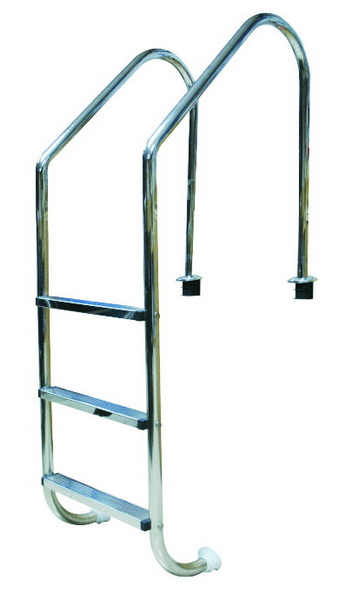
Pool ladders are more than just support tools — they are essential safety accessories for any swimming pool setup. Bestway, one of the most trusted brands for pool equipment, designs ladders that are easy to assemble, durable, and corrosion-resistant. However, to ensure optimal use, you must assemble the product carefully, step by step.
In this guide, you'll learn:
- The tools needed to assemble a Bestway pool ladder.
- Step-by-step instructions for each part.
- Tips for ensuring a secure and long-lasting installation.
- Safety reminders for ongoing maintenance.
Before starting, gather all the parts and tools included in your Bestway ladder package. Below is the checklist of components typically included.
- Ladder rails (2 or 4, depending on model)
- Tread steps (4–6 pieces)
- Top platforms (1 or 2 pieces)
- U-shaped connectors
- Rubber feet or stabilizer caps
- Bolts, nuts, and washers
- Optional safety barrier (for certain models)
- Phillips screwdriver or wrench
Start by opening the package carefully. Lay out all pieces on a clean surface. Inspect each part for any visible damage, cracks, or missing accessories. Organizing your components based on type will make the assembly process smoother and faster.
Take both side rails — usually two identical metal tubes that form the ladder's vertical structure. Identify which end has pre-drilled holes for attaching the steps.
1. Align the side rails parallel to each other on the floor.
2. Ensure the holes are facing inward.
3. If your model includes color-coded marks (blue or gray), align them to match.
Next, install the steps on one side first.
1. Insert the lower step into the corresponding holes on one side rail.
2. Secure it using bolts and washers.
3. Tighten gently – do not overtighten yet, as adjustments may be needed later.
4. Repeat this process for the remaining steps on that side.
The top platform helps the ladder remain stable and provides a safe transition from ground to pool edge.
1. Position the top platform over the upper section of the side rails.
2. Align the bolt holes with the top step holes.
3. Use the provided hardware to attach it securely.
4. Tighten all connections firmly to avoid wobbling.
Rubber caps prevent the ladder from slipping and reduce the risk of scratching the pool liner or deck.
- Attach rubber feet to the ends of each rail leg.
- Press firmly to ensure they sit securely.
- For soft-surface installations (e.g., grass), use base stabilizers if provided.
Now that your Bestway ladder is fully assembled, conduct a thorough inspection:
- Shake the ladder gently to check stability.
- Ensure each screw and bolt is tight.
- Verify that steps are firmly fixed and even.
- Confirm the ladder's positioning and alignment.
Some Bestway ladder models include safety barriers or removable outer sections to prevent children from climbing unattended.
1. Attach the safety barrier section to the appropriate side, as per manual instructions.
2. Lock it securely using the provided clips or fasteners.
3. If removable, check the sliding mechanism to ensure smooth operation.
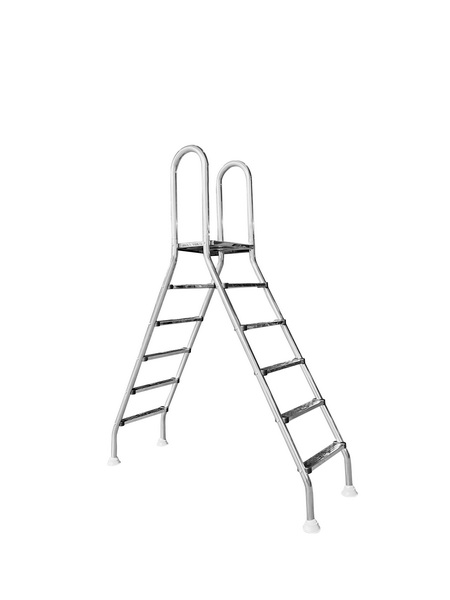
Once your ladder is assembled:
1. Place it so one side rests securely inside the pool and the other on solid ground.
2. Adjust the ladder legs for proper height if it's a telescopic or adjustable model.
3. Make sure all four feet sit flat for stability.
4. Test weight gradually before full use.
Maintaining your Bestway ladder prevents rust, corrosion, and mechanical wear. Follow these tips for optimal use:
- Rinse ladder after every use to remove chlorine or salt.
- Dry completely before storage.
- Inspect bolts monthly for tightness.
- Replace missing or worn rubber caps immediately.
- Store indoors during off-season to prevent UV degradation.
Avoid these common assembly errors to ensure long-lasting safety and durability:
1. Skipping bolt washers. Missing washers cause instability and quicker rusting.
2. Uneven steps. Misalignment can lead to unsafe footing.
3. Poor placement. Always set on even ground to avoid tipping hazards.
4. Ignoring tightening sequence. Failing to tighten bolts evenly may warp the frame.
5. Neglecting inspection. Regular maintenance ensures safety year after year.
- Durable steel frame: Rust-resistant coating for long-term outdoor use.
- Slip-resistant treads: Provides secure grip for children and adults.
- Quick assembly: Designed for easy home setup without special tools.
- Safety options: Models with childproof barriers ensure extra security.
- OEM compatibility: Easily integrates with different Bestway pool types.
| Problem | Possible Cause | Solution |
|---|---|---|
| Steps not lining up | Side rails inverted | Check rail orientation |
| Ladder wobbles | Loose bolts | Retighten all bolt points evenly |
| Parts missing | Packaging error | Contact Bestway customer support |
| Rust spots appearing | Chlorine exposure | Rinse and dry after every use |
| Feet slipping | Missing rubber caps | Replace with correct model pieces |
If you are a pool product distributor or brand owner, consider OEM manufacturing services from leading Chinese factories such as Shangchen. They specialize in producing sand filtration systems, LED pool lights, pumps, and accessories, including customized pool ladders for global brands.
Assembling a Bestway pool ladder is straightforward when you follow clear steps, from organizing components to tightening each bolt securely. Ensuring correct setup guarantees user safety, product durability, and a more enjoyable swimming experience. Always check your ladder routinely and maintain it with care to get years of reliable service.
Most ladders take about 20–30 minutes to assemble with basic hand tools.
Yes, as long as the ladder height matches your pool wall height and base is stable.
Contact Bestway's after-sales service or the authorized retailer where you purchased it.
Rinse with fresh water after every use and store indoors when not in use.
OEM ladders may match Bestway's design but differ in branding, finishes, or specifications based on client requirements.


