
Views: 222 Author: Tina Publish Time: 2026-01-25 Origin: Site


Content Menu
● Why Empty Sand From a Pool Filter
● When to Empty Sand From a Pool Filter
● Safety Precautions Before Working on a Pool Filter
● Tools and Materials You Need
● Understanding How a Sand Pool Filter Works
● Step‑by‑Step: How to Empty Sand From Pool Filter
>> Step 1: Turn Off Power and Isolate the Pool Filter
>> Step 2: Relieve Pressure and Drain the Filter Tank
>> Step 3: Disconnect Plumbing From the Pool Filter
>> Step 4: Remove the Multiport or Top Valve
>> Step 5: Protect the Standpipe Inside the Pool Filter
>> Step 6: Remove Old Sand From the Pool Filter Tank
>> Step 7: Inspect Laterals and Interior of the Pool Filter
>> Step 8: Clean and Rinse the Pool Filter Tank
>> Step 9: Prepare the Pool Filter for New Sand
>> Step 10: Add New Sand to the Pool Filter
>> Step 11: Reinstall the Valve and Reconnect Plumbing
>> Step 12: Backwash and Rinse the Pool Filter
● Practical Tips for an Easier Sand Change
● Ongoing Pool Filter Maintenance After Emptying Sand
● Common Problems After Emptying Sand From a Pool Filter
● Enhancing System Performance With the Right Pool Filter
● Choosing Professional‑Grade Pool Filters and Accessories
● Best Practices to Extend the Life of a Pool Filter
● FAQ
>> 1. How often should sand be changed in a pool filter?
>> 2. Can I reuse old sand from a pool filter?
>> 3. What kind of sand goes in a pool filter?
>> 4. Why is sand blowing back into my pool?
>> 5. Do I need to backwash a pool filter right after changing the sand?
Emptying sand from a pool filter is essential when the sand media is old, clogged, or no longer keeping your pool water clean and clear. Properly servicing a sand pool filter also protects your pump and extends the life of the entire circulation system.
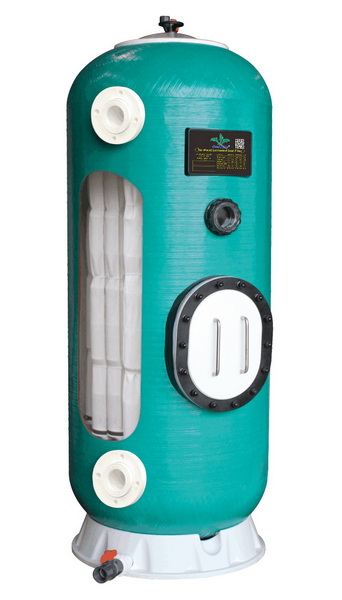
Old sand becomes smooth and loses its ability to trap fine debris, which leads to cloudy pool water and higher chemical consumption. A clogged sand bed increases filter pressure, strains the pool pump, and can eventually cause leaks around seals and fittings. Replacing or deep cleaning sand in a pool filter restores strong water flow and helps other pool equipment, such as heaters and chlorinators, work more efficiently.
Most sand pool filters need a complete sand change every 3–5 years, depending on water quality and usage. If you notice frequent pressure spikes 8–10 psi above normal right after backwashing, the sand is likely worn or compacted and should be removed. Persistent cloudy water, channeling in the sand bed, or sand returning to the pool through the return jets are clear signs that it is time to empty the sand from the pool filter.
Always shut off power at the pump switch and breaker before opening a pool filter to prevent accidental starts. Close all pool valves and relieve pressure using the air relief or drain plug on the filter tank before loosening any clamps or fittings. Wear gloves, eye protection, and a dust mask, because old filter sand can contain bacteria, algae, and fine particles that irritate skin and lungs.
Before starting, prepare everything you need so the pool filter service can be completed in one smooth session.
- Screwdrivers, adjustable wrench, and pliers for unions, clamps, and brackets
- Wet/dry shop vacuum or sturdy plastic scoop to remove old sand
- Replacement pool filter sand or approved alternative media
- Lubricant for o‑rings and seals, plus Teflon tape for threaded fittings
- Garden hose with spray nozzle for rinsing the pool filter tank interior
- Buckets, tarp, or large container for collecting and transporting old sand
Having the right tools ready saves time and reduces the risk of damaging your pool filter or plumbing.
A sand pool filter uses a tank filled with specially graded sand as the main filtration media. Water flows from the pool into the top of the tank, moves down through the sand bed, and exits through laterals at the bottom. As water passes through the sand, dirt and debris are trapped between grains while clean water is returned to the pool.
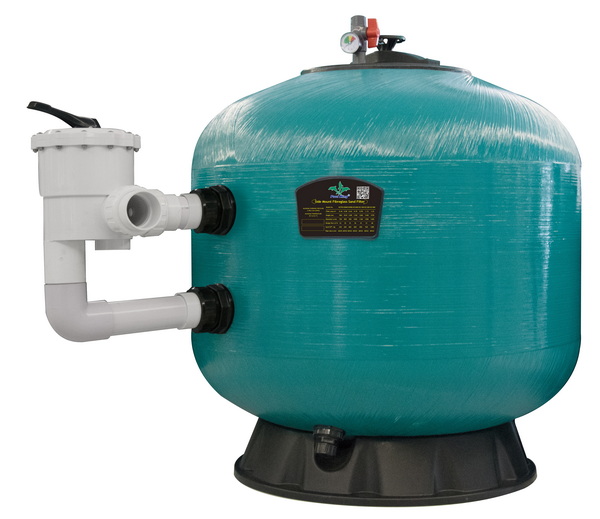
Inside a typical sand pool filter you will find a tank body, a central standpipe, a set of laterals, and usually a multiport valve. The multiport valve allows you to choose different modes, such as Filter, Backwash, Rinse, Waste, Recirculate, and Closed. Understanding these internal parts makes it easier to empty sand safely and then refill and restart the system correctly.
Switch off the pool pump at the control panel and turn off the circuit breaker that feeds the filtration system. This prevents any chance of the pump starting unexpectedly while the pool filter is open. Close suction and return valves on the plumbing so that water in the pool does not flow through the pool filter while it is being serviced.
Open the air relief valve on top of the pool filter or loosen the drain plug at the bottom of the tank to release any trapped pressure. Once pressure is relieved, remove the drain cap fully and allow water to exit the pool filter. If needed, attach a short hose or use a splash block to direct water away from the equipment pad.
Loosen unions on the pump, return, and waste lines that connect to the multiport or top valve of the pool filter. If your system uses rigid plumbing without unions, you may need to remove clamps or carefully separate flexible hoses. Label each line or take photos before disassembly so you can reconnect the pool filter correctly.
Undo the clamp, collar, or flange that secures the multiport valve to the top of the pool filter tank. Gently twist and lift the valve straight up, keeping it aligned with the standpipe to avoid cracking it. Once removed, place the valve and attached plumbing to the side on a clean surface where it will not be knocked over.
Inside the pool filter tank, you will see the standpipe opening exposed. Cover this opening with tape, a rubber plug, or a small plastic bag secured with a rubber band. Protecting the standpipe prevents sand from entering the center pipe, which could send sand back into the pool when the filter is restarted.
Use a shop vacuum to suck out old sand from the pool filter tank, starting at the top and working downward until the laterals are visible. If a vacuum is not available, scoop out sand with a plastic cup or small container. Avoid using metal tools or sharp objects that can damage the inner surface of the pool filter tank or the laterals.
When the tank is mostly empty, you will see the lateral assembly at the bottom of the pool filter. Carefully brush sand away from the laterals with your hand and inspect each piece for cracks or missing segments. If any lateral is broken, replace it before refilling the pool filter; otherwise sand may flow back into the pool. Also check the inside of the tank for scaling, chemical damage, or structural defects.
Once the sand has been removed, thoroughly rinse the interior of the pool filter tank using a garden hose. Flush remaining debris and residue out through the open drain port. For heavy buildup or oily deposits, use a cleaner specifically designed for pool filters, following the product instructions, then rinse until the tank and internal parts look clean.
Reinstall or tighten the drain plug on the pool filter tank. Fill the tank about halfway with clean water; this cushions the laterals and standpipe when new sand is poured in. Verify that the standpipe is centered and that the laterals are fully engaged. At this stage, the standpipe opening should still be covered to prevent sand from entering.
Using a small container or funnel, slowly pour new pool filter sand into the tank. Take your time so the sand falls gently and does not impact the laterals too hard. Continue adding sand until the level reaches the mark indicated on the tank or until the recommended weight of media for your pool filter model has been added. Smooth the surface of the sand bed by hand to ensure an even layer.
Remove the cover from the standpipe opening. Carefully lower the multiport valve or top valve straight down onto the standpipe and seating flange of the pool filter tank. Align the valve and tighten the clamp or bolts evenly so the seal compresses uniformly. Reconnect the pump, return, and waste lines, and apply lubricant to o‑rings and Teflon tape to threaded fittings if necessary to prevent leaks.
With the pump still off, turn the multiport handle to the Backwash position. Start the pump and run until the sight glass or backwash water appears clear, usually around two minutes. Turn the pump off, switch the valve to Rinse, and run for about 30–60 seconds to settle the sand bed. Finally, turn off the pump again, set the valve to Filter, and restart the system for normal pool filter operation.
A few simple strategies can make emptying sand from a pool filter faster, cleaner, and more efficient.
- Use a shop vacuum with a long hose and keep the vacuum body away from the equipment pad to reduce mess
- Place a tarp or large container next to the pool filter to catch sand and keep the work area neat
- Wear old clothing and closed‑toe shoes, because sand and dirty water can splash during removal
- Keep a small brush and cloth handy to clean valve flanges and o‑ring grooves on the pool filter before reassembly
These habits help prevent leaks, extend the service life of your pool filter, and keep future maintenance simple.
After you have emptied and replaced the sand in your pool filter, consistent maintenance will keep the system running smoothly for years.
- Check the pressure gauge at least once a week during the swimming season
- Backwash the pool filter whenever the pressure rises 8–10 psi above the clean starting pressure
- Avoid excessive backwashing, which can waste water and disturb the sand bed unnecessarily
- Perform a chemical cleaning of the sand once or twice per year if the pool experiences heavy use or frequent algae issues
Tracking a baseline “clean” pressure right after you change sand makes it easy to know when the pool filter needs backwashing.
Sometimes, issues appear immediately after servicing a pool filter. Understanding the causes helps you correct them quickly.
If sand appears in the pool, there may be a cracked lateral, a damaged standpipe, or the wrong type of sand in the tank. In that case, you will need to reopen the pool filter, inspect the internal parts, and replace any broken components. If the pressure remains very low after restarting, check for air leaks on the suction side or confirm that the pump is primed and that the multiport valve on the pool filter is in the correct position.
If the pressure is extremely high right away, the valve may not be on Filter mode, the return line could be obstructed, or the sand bed might be overfilled. Lowering the sand level to the proper height and verifying valve positions usually resolves this kind of problem.
The quality of the pool filter itself has a major impact on water clarity and overall system efficiency. A robust pool filter tank made from corrosion‑resistant materials can withstand high pressure and harsh outdoor environments over many seasons. Well‑designed laterals and internal plumbing inside the pool filter ensure even water distribution and minimize channeling through the sand bed.
For residential pools, choosing a properly sized pool filter matched to the pump flow rate helps avoid both under‑filtration and wasted energy. For commercial facilities or large private pools, using a heavy‑duty pool filter with a larger sand bed and oversize connections maintains high turnover rates and stable, clear water, even during peak usage.
When planning long‑term pool projects, it makes sense to invest in high‑quality equipment that works reliably together as a system. A well‑built sand pool filter paired with an efficient pump can significantly reduce energy consumption and maintenance time. Adding compatible LED lights, timers, and automation controls helps pool owners manage filtration cycles more accurately, which also supports better filtration performance.
For brand owners, importers, and wholesalers, working with a specialized OEM manufacturer of pool filter systems, pumps, and related accessories provides consistent product quality and technical support. Custom‑designed pool filter housings, connection sizes, and labeling can match local market needs while maintaining strict factory testing standards. This kind of integrated solution makes it easier to offer complete pool filter packages to downstream customers.
To get the most value from a sand pool filter, follow these best practices every season.
- Keep water chemistry balanced, especially pH, alkalinity, and calcium hardness, to protect the tank and internal parts
- Use a skimmer net and leaf rake regularly so the pool filter does not have to catch large debris
- Empty pump and skimmer baskets frequently to maintain steady water flow into the pool filter
- Avoid using excessive flocculants or clarifiers that might clog the sand bed; if used, perform a careful backwash afterward
- Protect the equipment pad from flooding and direct runoff so the base of the pool filter remains dry and stable
By combining proper water care and good housekeeping, you reduce the strain on the pool filter and extend the time between major sand changes.
Maintaining a sand pool filter is one of the most important tasks in keeping pool water healthy, safe, and inviting for swimmers. By following a structured process to empty old sand, inspect internal components, clean the tank, and refill with the correct media, pool owners and professionals can restore circulation, protect pumps, and eliminate persistent cloudy water. Regular backwashing, occasional chemical cleaning, and timely sand replacement ensure that the pool filter remains the heart of a reliable filtration system for many seasons, supporting clear, sparkling water and a better swimming experience.
Contact us to get more information!
Most sand pool filters need a full sand change about every 3–5 years, depending on bather load, climate, and overall water care habits. Heavily used commercial pools, or pools that have experienced repeated algae blooms and heavy contamination, may require more frequent sand replacement. The best indicator is rising pressure and poor clarity even after thorough backwashing.
Old sand from a pool filter is usually rounded, compacted, and saturated with oils, metals, and organic debris. Reusing this media will not restore proper filtration and can lead to ongoing water quality issues. For best results, always discard the old sand responsibly and refill the pool filter with fresh, properly graded filter sand or another approved medium.
A sand pool filter is designed for high‑purity, specifically graded filter sand, often labeled as silica sand for pool filters. The grains have a consistent size that allows water to pass while trapping dirt and particles. Play sand, construction sand, or other random sands can clog the system, damage internal parts, and significantly reduce the efficiency of the pool filter.
If sand appears on the pool floor below the return jets, the most common causes are cracked laterals, a damaged standpipe, or the wrong type of sand inside the pool filter. Sometimes overfilling the tank with sand or failing to perform a proper backwash and rinse after a sand change can also send loose fines into the pool. Inspect the internal components of the pool filter and correct any mechanical damage before restarting the system.
Yes, backwashing immediately after installing new sand is essential. New sand contains fine dust and small particles that must be flushed out of the pool filter before normal operation. After a thorough backwash, a short rinse cycle helps settle the sand bed so that it will not blow into the pool when you return the valve to Filter mode and resume regular circulation.
1. https://www.thepoolfactory.com/blogs/pool-care/how-to-change-the-sand-in-a-pool-filter
2. https://intheswim.com/blog/pool-filter-maintenance-101.html
3. https://www.swimmingpool.com/maintenance/pump&filter/changing-sand-in-your-pool-filter/
4. https://lesliespool.com/blog/the-ultimate-pool-filter-maintenance-guide.html
5. https://www.prettypoolsdfw.com/blog/understanding-pool-filter-maintenance/
6. https://www.prettypoolsdfw.com/blog/understanding-pool-filter-maintenance/
7. https://www.youtube.com/watch?v=v9ghBgNkv-4
8. https://www.getskimmer.com/blog/seo-for-pool-businesses


