
Views: 222 Author: Tina Publish Time: 2026-01-11 Origin: Site


Content Menu
● Understanding Your Hayward Filter Type
● Safety Steps Before Any Cleaning
● How to Clean a Hayward Sand Filter
>> Step‑by‑Step Sand Filter Backwash
>> When to Deep‑Clean Sand or Change Sand
● How to Clean a Hayward Cartridge Filter
>> Step‑by‑Step Cartridge Cleaning
● How to Clean a Hayward DE Filter
>> Backwash and Recharge a DE Filter
● How Often to Clean a Hayward Pool Filter
● When to Call a Pool Professional
● FAQ: Hayward Pool Filter Cleaning
>> 1. How do I know when my Hayward filter needs cleaning?
>> 2. How long should I backwash a Hayward sand filter?
>> 3. Can I use a pressure washer to clean Hayward cartridges?
>> 4. How much DE should I add after backwashing a Hayward DE filter?
>> 5. How often should I replace the sand in a Hayward sand filter?
Keeping a Hayward pool filter clean is essential for clear water, efficient circulation, and a longer life for your pump and filter system. The exact cleaning method depends on whether your Hayward filter is sand, cartridge, or DE (diatomaceous earth).[1][2]
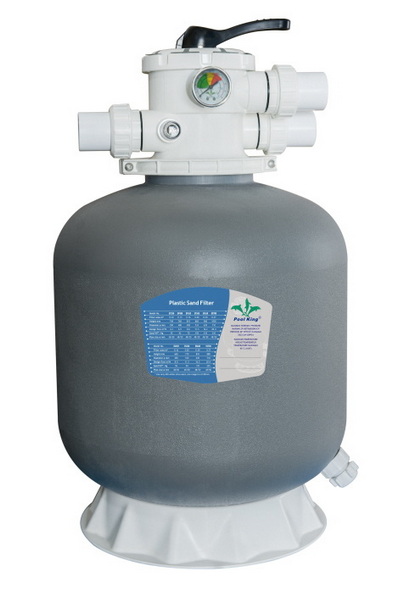
A Hayward pool filter will usually be one of three types: sand, cartridge, or DE, and the cleaning process is different for each. Check the label plate on the tank or the owner's manual to confirm which type you have and its model number before starting.[2][5]
- Sand filters use a bed of silica sand or alternative media to trap particles as water flows through.[1]
- Cartridge filters use pleated cartridges that remove fine debris and can be rinsed or soaked for deep cleaning.[5]
- DE filters coat internal grids with a thin layer of DE powder and are cleaned by backwashing and recharging with fresh DE.[2]
Before touching any Hayward pool filter, follow basic safety steps to protect people and equipment. Skipping these can cause dangerous pressure releases, leaks, or damage to valves and seals.[6][2]
- Turn off all power to the pool pump at the timer and the main breaker so the pump cannot start unexpectedly.[2]
- Close suction and return valves (if fitted) to isolate the filter and prevent water flow while working on it.[7]
- Open the air‑relief valve on top of the filter to release internal pressure and allow the tank to drain safely.[4]
- Allow the pump and filter to cool if they have been running in hot weather, and wear eye protection and gloves.[6]
A Hayward sand filter is normally cleaned by backwashing and then briefly rinsing to reset the sand bed. Backwashing reverses the water flow through the tank, flushing trapped dirt and debris out to waste.[8][1]
1. Shut off the pump and relieve pressure
- Make sure the pump is off and the air‑relief valve is open so there is no pressure on the system.[2]
- Verify that the multiport valve handle is easy to move and that the backwash hose is attached to the waste port.[8]
2. Set the multiport to BACKWASH
- Push the handle down and rotate it to “BACKWASH,” always moving the handle only when the pump is off to protect internal seals.[1]
- Extend the backwash hose to a safe drainage area where water and debris can flow without erosion or flooding.[8]
3. Run the backwash cycle
- Turn the pump on and let it run for about 2–3 minutes, or until the sight glass or discharge water runs clear.[8]
- Dirty water will initially look cloudy or brown as the sand bed is cleaned of accumulated debris.[1]
4. Rinse the sand bed
- Turn the pump off, move the multiport to “RINSE,” and turn the pump on again for 20–60 seconds to resettle the sand and flush the valve.[1]
- Rinse helps prevent a burst of cloudy water from returning to the pool when you switch back to filter mode.[8]
5. Return to normal FILTER mode
- Turn the pump off again, move the multiport back to “FILTER,” then restart the pump and close the air‑relief valve once water flows steadily.[2]
- Check the pressure gauge and note the new “clean” operating pressure as your baseline for future maintenance.[2]
Even with regular backwashing, oils and fine particles can clog the top layer of sand and reduce flow. Many technicians recommend a chemical sand cleaner once or twice per season and complete sand replacement roughly every 3–5 years, depending on usage and water quality.[9][1]
- Use a commercial sand filter cleaner by adding it through the pump strainer basket according to the product instructions.[1]
- For stubborn problems, remove 1–2 cm of the top sand layer that is heavily fouled and replace with fresh pool‑grade sand.[9]
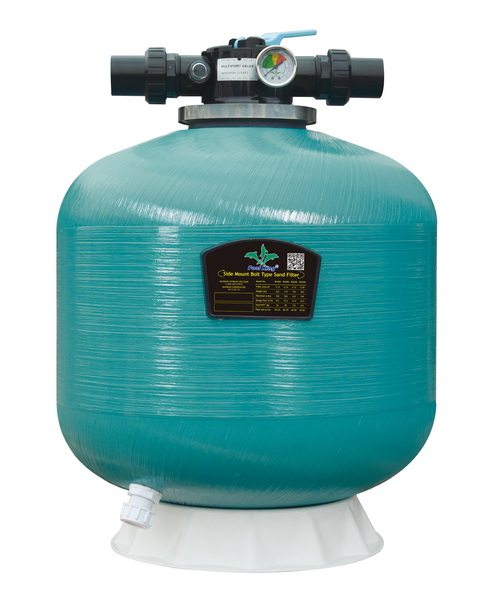
A Hayward cartridge filter is cleaned by removing the cartridges and rinsing them thoroughly, then occasionally soaking them in cleaner for a deep wash. This design does not use backwashing, so water is conserved and cleaning focuses on the cartridges themselves.[7][6]
1. Isolate and depressurize the filter
- Turn off the pump, close inlet and outlet valves if present, and open the air‑relief valve until pressure drops to zero.[4]
- Loosen the drain plug at the bottom of the tank to let water exit so the housing is easier and safer to open.[6]
2. Open the filter housing
- Loosen and remove the band clamp, collar, or bolts that hold the tank halves together using the correct socket or wrench.[6]
- Gently lift off the top half of the tank, taking care not to damage the large body O‑ring; set the lid and clamp aside in a clean area.[4]
3. Remove cartridges and manifolds
- Lift out the top manifold or guide, then remove each cartridge element by rocking slightly and pulling straight up.[4]
- Inspect cartridges for tears, deformed end caps, or crushed cores, and replace damaged ones before reassembly.[6]
4. Rinse the cartridges
- Use a regular garden hose with moderate pressure (not a pressure washer) to spray between the pleats at a 45‑degree angle.[5]
- Work from top to bottom and rotate the cartridge until all sides are free of visible dirt, algae, and debris.[6]
5. Optional deep cleaning soak
- For very dirty or oily cartridges, soak them in a dedicated filter‑cleaning solution or a mild, manufacturer‑approved detergent mix.[7]
- Rinse thoroughly after soaking to remove all cleaner residue that could cause foaming or irritation in the pool.[5]
6. Reassemble and restart
- Rinse and clean the inside of the tank, lubricate the large O‑ring with a silicone‑based lubricant, and reinstall cartridges and manifold.[4]
- Reinstall the lid and clamp, close the drain plug, open valves, and restart the pump while slowly closing the air‑relief once water sprays steadily.[6]
A Hayward DE filter uses a coating of fine diatomaceous earth on internal grids, which must be removed and replaced when pressure rises. Many Hayward DE models can be backwashed, then recharged with new DE powder through the skimmer.[11][2]
1. Backwash to remove dirty DE
- Turn off the pump and rotate the multiport valve to “BACKWASH,” or lift the slide valve if your system uses that style.[2]
- Turn the pump on and run until the discharge water or sight glass runs clear, usually 30–60 seconds.[11]
2. Rinse and return to filter
- Turn the pump off and move the valve to “RINSE” (for multiport valves), then run for 20–30 seconds to flush the plumbing.[2]
- Turn the pump off again, set the valve back to “FILTER,” and restart, making sure the pump is fully primed.[2]
3. Prepare the DE slurry
- Check the filter label to confirm the filter's square‑foot area and manufacturer's recommended new‑start DE dose.[11]
- For routine recharging after backwash, use roughly 1.5–2 lb less DE than the new‑start amount because some DE remains on the grids.[12][11]
4. Add DE through the skimmer
- In a bucket, mix the required weight of DE powder with water to form a thin slurry.[11]
- Slowly pour the slurry into the pool skimmer with the pump running so DE coats the internal grids evenly.[2]
5. Check for DE returning to pool
- Watch pool return inlets for any white DE cloud; if DE is blowing back into the pool, internal grids or manifold may be damaged.[11]
- If DE returns to the pool, shut down the system and schedule a full teardown and grid inspection or replacement.[13]
Cleaning frequency depends on bather load, weather, and debris, but the pressure gauge is the most reliable guide. A common rule is to clean or backwash when the pressure rises 8–10 PSI above the clean starting pressure you recorded after your last service.[2]
- Sand filters are often backwashed every few weeks during the season, or when pressure hits that 8–10 PSI increase.[1]
- Cartridge filters typically need hose cleaning several times a season, with deep soaking based on pressure and visual inspection.[6]
- DE filters are backwashed as needed and fully torn down and cleaned at least once per season, depending on usage and water clarity.[14][2]
Avoiding a few frequent mistakes can dramatically extend filter life and improve water quality. These errors often lead to poor circulation, cloudy water, or damaged internals that require costly repairs.[9][1]
- Moving the multiport valve while the pump is running, which can tear internal seals and cause leaks.[1]
- Using a pressure washer on cartridges, which can cut pleats and reduce filtration efficiency.[5]
- Adding the full “new‑start” DE dose every time you backwash, which can over‑pack the grids with too much DE.[11]
- Ignoring a steadily rising pressure gauge, which indicates clogged media and forces the pump to work harder.[2]
Some issues with Hayward filters are best handled by a qualified technician rather than DIY. Timely professional help can prevent major failures such as cracked tanks or unsafe pressure events.[13][2]
- Persistent sand or DE blowing back into the pool after cleaning and correct operation.[13][11]
- Cracked filter tanks, broken laterals, or warped manifolds discovered during inspection.[9]
- Pressure that spikes quickly after cleaning or fluctuates unpredictably, indicating deeper circulation problems.[2]
Cleaning a Hayward pool filter correctly starts with identifying whether the system is sand, cartridge, or DE and then following the appropriate backwash, rinse, or cartridge‑washing steps. By monitoring pressure, avoiding common mistakes, and performing regular seasonal deep cleans, pool owners can maintain clear water, protect pumps and valves, and extend the life of their Hayward filtration system.[5][13][1][2]
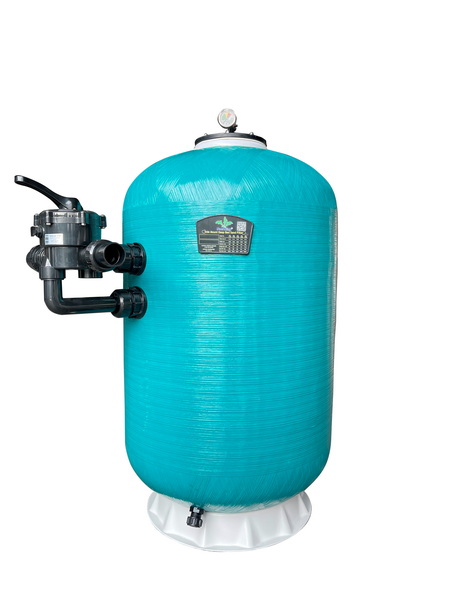
Most Hayward filters should be cleaned when the pressure gauge reads about 8–10 PSI higher than the clean starting pressure recorded after your last service. Visible symptoms such as cloudy water, weak return flow, or slow vacuum performance also suggest that backwashing or cartridge cleaning is overdue.[1][2]
Many pool professionals recommend backwashing a sand filter for around 2–3 minutes, or until the sight glass or discharge water runs clear. After that, a short rinse of 20–60 seconds helps resettle the sand and flush the valve before returning to FILTER mode.[8][1]
Manufacturers advise using only a standard garden hose with moderate pressure and a 45‑degree spray angle on cartridge pleats. Pressure washers can cut the fabric, open up pathways for fine debris, and drastically shorten cartridge life.[5][6]
For routine recharging after a backwash, add roughly 1.5–2 lb less DE than the filter's full new‑start requirement listed on the label. This reduced dose compensates for residual DE that remains on the grids even after a thorough backwash.[12][13][11]
Pool service companies typically recommend replacing pool‑grade filter sand about every 3–5 years, depending on bather load and water quality. Extremely oily or fouled sand, or chronically poor performance even after cleaning, may require an earlier complete sand change.[9][1]
[1](https://budsspas.com/blog/how-to-clean-your-pools-sand-filter/)
[2](https://hayward.com/knowledge-base/how-do-i-backwash-my-de-filter/)
[3](https://www.youtube.com/watch?v=Gc3E-dqD7Uw)
[4](https://www.youtube.com/watch?v=ZFDQWuZEcNc)
[5](https://www.hayward-pool.co.uk/frequently-asked-questions/filters/how-do-i-clean-the-cartridge-in-my-swimclear-filter)
[6](https://www.instructables.com/How-to-Clean-a-Pool-Cartridge-Filter-System/)
[7](https://atomicfilters.com/blogs/news/how-to-backwash-hayward-pool-filter)
[8](https://www.youtube.com/watch?v=qYJqKmNm_Wg)
[9](https://www.thepoolfactory.com/blogs/equipment/sand-filter-systems-hayward-pro-series-tips-tricks)
[10](https://www.youtube.com/watch?v=OIcLszctThU)
[11](https://www.youtube.com/watch?v=wAL2H6EE1l4)
[12](https://www.reddit.com/r/pools/comments/156qr79/how_do_you_know_how_much_de_to_add_after/)
[13](https://www.inyopools.com/HowToPage/how-to-clean-a-hayward-de-filter-grid-assembly.aspx?CommentPage=1)
[14](https://www.facebook.com/groups/637529959937311/posts/2658421244514829/)
[15](https://www.youtube.com/watch?v=bUiF2ZlKnbg)
[16](https://www.youtube.com/watch?v=2lQX2xtG7FE)
[17](https://www.reddit.com/r/pools/comments/1equkna/how_long_do_you_run_backwash_on_your_sand_filter/)
[18](https://www.youtube.com/watch?v=9MIlr92gs0k)
[19](https://www.youtube.com/watch?v=y0fSgzlZDoY)
[20](https://www.reddit.com/r/pools/comments/x28nnp/are_hayward_cartridge_filters_easy_to_clean/)


