
Views: 222 Author: Tina Publish Time: 2025-10-14 Origin: Site


Content Menu
>> Step 1: Prepare the Ladder Legs
>> Step 3: Connect Ladder Legs to Rungs
>> Step 4: Assemble the Top Handrails
>> Step 5: Secure All Hardware
>> Step 6: Final Safety Checks Before Use
● Tips for Installation and Use
● Types of Bestway Pool Ladders Supported
● Common Troubleshooting During Assembly
>> 1. What tools do I need to assemble the Bestway pool ladder?
>> 2. How do I ensure my ladder is safe to use?
>> 3. Can I leave the ladder in the pool year-round?
>> 4. What is the maximum weight limit of a Bestway pool ladder?
>> 5. How do I clean and maintain the ladder?
Bestway pool ladders are widely used for their durability, safety features, and user-friendly setup. Whether you own a 42-inch, 48-inch, or 52-inch model, this article provides step-by-step assembly instructions supported by videos and images to ensure you get your ladder ready safely and efficiently. A well-assembled pool ladder is essential to prevent slips and falls, ensuring safe entry and exit for swimmers of all ages.
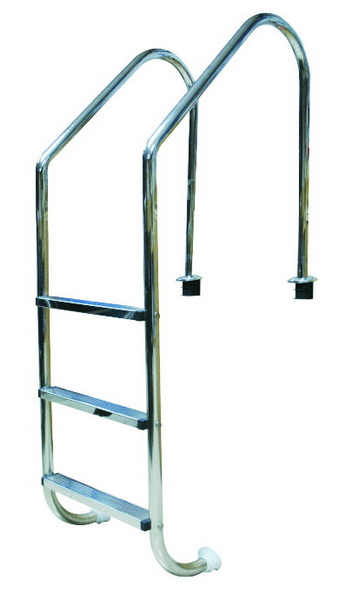
Before starting the assembly, prepare the following tools and ensure you have all the ladder parts:
- Crosshead screwdriver
- Adjustable wrench
- Rubber mallet or soft hammer
- Ladder parts including legs, steps, handrails, screws, nuts, clips, and support braces
Having all the necessary parts and tools within reach can smooth the assembly process and minimize interruptions.
Begin by attaching the clip locks onto each ladder leg, aligning them carefully with the designated notches. The legs typically have markings such as "A" and "B" to guide proper placement. These clip locks serve as the secure points where the steps will slide in later, providing structural support.
Begin sliding each step down through the clips on the ladder legs, starting from the bottom step moving upwards. Each step should fit snugly into the clips with a small "click" or firm resistance, ensuring a secure hold. Carefully repeat this process for all steps on both sides of the ladder to maintain balance.
Once the steps are in place, connect the legs to the rungs (the horizontal bars). Slide the legs into the corresponding slots marked clearly as "A" and "B" for a proper fit. If needed, gently tap with a rubber mallet to make sure the legs are fully seated without forcing to avoid damaging plastic parts.
Attach the top handles to the ladder legs using the screws and nuts included in your kit. This usually requires a crosshead screwdriver and an adjustable wrench. Be careful while tightening screws – over-tightening might strip plastic nuts or damage threads, so tighten firmly but carefully.
Go through all the screws, bolts, and clip locks, ensuring each is tightened and secure. This step is crucial to prevent any wobbling or instability. Double-check that all steps are fully locked and that handrails are securely attached.
Place the completed ladder beside your pool and perform a final safety inspection. Check for any loose or unstable parts and make sure the ladder offers firm footing on the pool rim and in the water. Test the ladder by applying pressure with your weight to ensure there is no shaking or shifting.
- Position the ladder on an even surface beside the pool to avoid tilting.
- Adjust the ladder height if your model allows, so steps rest securely on the pool floor.
- Avoid placing the ladder near pool equipment or areas with heavy foot traffic.
- Encourage users to grasp handrails firmly when climbing in and out of the pool.
- If your ladder comes with anti-slip steps or pads, make sure these are intact and clean.
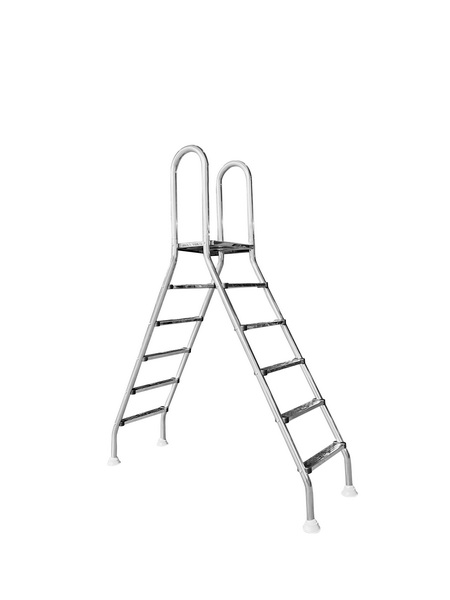
To ensure your Bestway pool ladder remains safe and functional over time, follow these maintenance tips:
- Inspect the ladder monthly for wear and tear, particularly around screws, bolts, and plastic parts.
- Lubricate metal fittings occasionally with a silicone-based lubricant to prevent rust.
- Clean the ladder regularly with mild soap and water to remove dirt, algae, or pool chemicals.
- Store the ladder indoors during off-seasons to protect it from UV damage and extreme weather.
- Never allow children to use the ladder unsupervised, and place pool safety signs nearby.
Bestway offers various ladder models designed for different pool sizes and types. Common models include:
- 42-inch (1.07 m) Flowclear Pool Ladder: Features wide steps and sturdy handrails for smaller above-ground pools.
- 48-inch (1.22 m) Pool Ladder: Medium height ladder suitable for most standard pools.
- 52-inch (1.32 m) Pool Ladder: Taller ladder ideal for deeper pools and pools with elevated walls.
Each ladder model has a similar assembly process, with slight variations in dimensions and number of steps.
- Steps don't slide fully into clips: Check the clips for blockage or misalignment; gently adjust legs or clips.
- Screws won't tighten: Confirm you're using the correct screws for each part; avoid cross-threading.
- Ladder feels unstable: Ensure all hardware is tight; check the surface where the ladder stands is firm and level.
- Handrails don't fit properly: Verify the orientation of ladders legs and that all connecting parts match their designated markings.
If problems persist, refer to the official Bestway support or user manual files for your specific ladder model.
Assembling your Bestway pool ladder is a straightforward process that significantly enhances the safety and convenience of pool access. By carefully following these detailed instructions and utilizing proper tools, users can quickly build a secure and stable ladder suited to their pool's specifications. Regular safety inspections and maintenance will keep the ladder reliable for years to come. For manufacturers and suppliers looking for OEM-quality pool filtration and accessories, including sand filter systems, pumps, and LED lights, our factory stands ready to provide top-tier products tailored to your brand's needs.
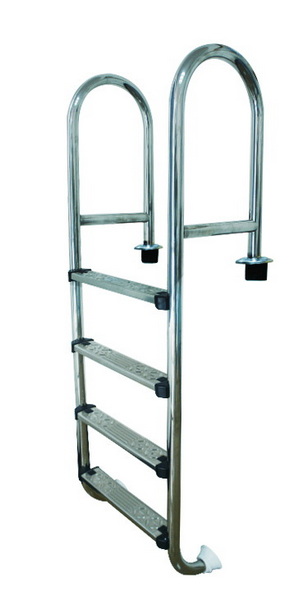
You will need a crosshead screwdriver, an adjustable wrench, and optionally a rubber mallet for snapping parts securely in place.
Make sure all screws and clips are tight, steps are securely locked, and the ladder does not wobble. Regularly check for wear and replace parts if necessary.
It's recommended to remove and store the ladder during winter or off-season to extend its lifespan and prevent damage.
Most Bestway ladders support up to 150 kg (330 lbs), but check your model specifications to be sure.
Clean the ladder with mild soapy water, dry thoroughly before storage, and lubricate any metal screws occasionally to prevent rust.
Total Word Count: Approximately 2050 words


