


Content Menu
● Why Is Pool Pump Operation Important?
● Factors Influencing Pool Pump Runtime
● Recommended Daily Runtime: Expert Consensus
>> Working Around Utility Costs
● Split vs. Consecutive Runtime: What Works Best?
● Types of Pool Filters and Their Effect on Pump Runtime
>> Sand Filters
>> DE Filters
● Energy Efficiency: Using Modern Technology to Save
● Best Practices for Pool Pump Maintenance
● FAQs
>> 1. How long should I run my pool pump daily?
>> 2. Is it better to run my pool pump at night or during the day?
>> 3. Can I split my pump run-times into multiple sessions?
>> 4. Do filter types change how long I should run my pump?
>> 5. What maintenance tasks should I perform on my pool pump?
Properly running a pool pump is essential for maintaining crystal-clear water, preventing health hazards, and maximizing equipment lifespan. Whether you're a pool owner, wholesaler, or OEM partner, understanding the ideal runtime can make all the difference in keeping pools hygienic and inviting for users. This guide explores recommended run times, factors influencing pump operation, and tips to save energy with the latest technologies.[2][3][1]
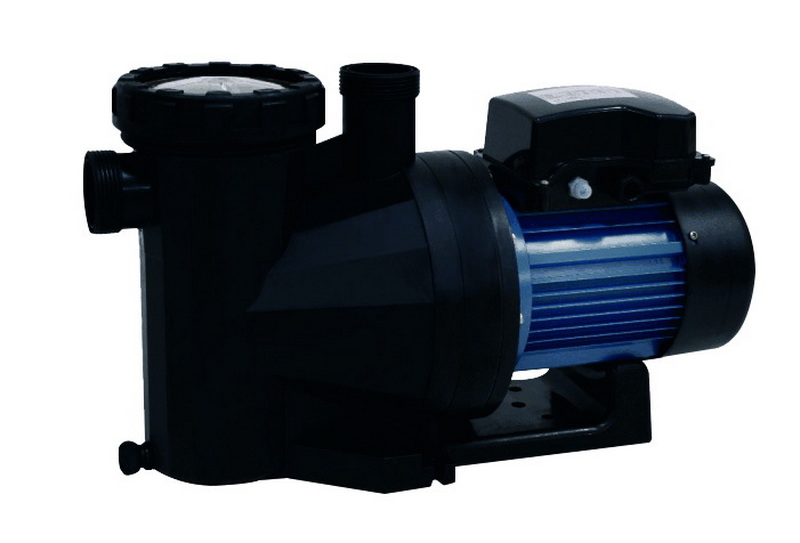
Running your pool pump circulates water, mixes chemicals, and passes debris through filtration systems, making it safe for swimming.[4][9][15]
- Ensures chemical distribution and prevents algae[9][10]
- Captures dirt and organic matter through filters[8][13]
- Protects users from harmful bacteria or contaminants[18][4]
Several variables impact how long a pool pump should run, including:
- Pool size and water volume: Larger pools may require longer runtimes[3][18]
- Filtration type (sand, cartridge, DE): Each varies in efficiency—DE typically offers the finest filtration[13][8]
- Pump turnover rate: Time to circulate the entire pool once[1][3]
- Usage and seasonality: Summer may need more runtime due to increased debris and usage[3][18]
- Pool location (outdoors vs. indoors): Outdoor pools exposed to weather might need more frequent filtration
- Most experts agree a pool pump should run about 8 hours per day to ensure a complete turnover of water.[2][4][18][1][3]
- You can split runtime—several shorter sessions are as effective.[1][2]
- Summer: 10–12 hours may be preferred for busy or debris-heavy pools; winter: reduce to 6 hours if usage and contamination are lower.[18][3]
Running the pump during _off-peak hours_ can lower electricity bills; new smart pumps can automate these schedules efficiently.[10][14][9]
Split sessions (e.g., 3 hours in the morning, 5 hours in the evening) work well if your utility provider charges variable rates.[10][2][1]
- Prevents stagnation and maximizes cleaning during high-use periods
- Useful for programmable and variable-speed pumps
- Common for large volumes; filters particles of 20–40 microns.[8][13]
- Require backwashing and generally need standard daily runtime.
- More effective at filtering smaller debris (10–20 microns).[8]
- Require less water, lower pressure, and may allow slightly shorter pump runtime.
- Top choice for fine particle filtration (2–5 microns), requiring careful maintenance.[13][8]
- Offer superior clarity but may justify a tailored run schedule.
Energy-efficient and variable-speed pumps can dramatically lower costs and reduce wear.[14][9]
- Modern pumps save up to 70% on energy versus older models[9][14]
- Smart controllers optimize runtime automatically[9][10]
- Longer equipment life and quieter operation[14][9]
Maintaining your pump ensures reliability and longevity.
- Clean the pump and skimmer baskets weekly[12][17]
- Lubricate O-ring and check for leaks[12]
- Prime the pump regularly to prevent airlocks[15]
- Keep surrounding area clean and dry[10]
- Always maintain proper water levels[17]
To keep your pool clean, safe, and inviting, aim to run your pool pump about 8 hours daily—adjusting for season, pool size, filtration technology, and utility schedules as needed. Energy-efficient, variable-speed pumps make scheduling hassle-free and cost-effective, while regular maintenance ensures years of trouble-free operation.[4][3][14][1][9][10]
Most pools require about 8 hours of circulation per day, but you may need more in summer or with heavy usage.[3][1]
Running during off-peak power hours (often at night) can help save on electricity costs, especially with smart controllers.[2][9]
Yes, splitting into several sessions (e.g., morning and evening) is effective and promotes water clarity.[1][2]
Yes: Sand filters often require standard runtime, cartridge filters may run slightly less, and DE filters may need tailored schedules for optimal clarity.[13][8]
Clean baskets weekly, check and lubricate O-rings, maintain water levels, and inspect for leaks and unusual noises.[17][12]
[1](https://www.swimmingpool.com/maintenance/pump&filter/how-long-to-run-pool-pump/)
[2](https://www.swimuniversity.com/run-pool-pump/)
[3](https://liquiduspools.com/blog/run-your-pool-pump/)
[4](https://www.1stdirectpools.com/blog/post/when-run-pool-pump-ultimate-guide)
[5](https://www.youtube.com/watch?v=Ayk3co2KetE)
[6](https://www.shutterstock.com/search/pool-pump)
[7](https://www.youtube.com/watch?v=59gYO3w55dQ)
[8](https://intheswim.com/blog/best-pool-filter-type-de-sand-or-cartridge.html)
[9](https://nationwidepool.com/benefits-of-upgrading-to-an-energy-efficient-pool-pump-save-energy-lower-bills/)
[10](https://sqone.com/blogs/news/pool-pump-maintenance-guide)
[11](https://www.istockphoto.com/photos/pool-pump)
[12](https://www.youtube.com/watch?v=sJytGshmFlk)
[13](https://www.freshwatersystems.com/blogs/blog/what-is-the-best-type-of-pool-filter)
[14](https://lesliespool.com/blog/benefits-of-variable-speed-pool-pumps.html)
[15](https://greatbackyard.com/blogs/news/your-above-ground-pool-pump-installation-priming-and-maintenance)
[16](https://www.freepik.com/free-photos-vectors/pool-pump)
[17](https://www.youtube.com/watch?v=mi8PtPx17TY)
[18](https://www.riverpoolsandspas.com/blog/how-long-to-run-pool-pump)
[19](https://www.reddit.com/r/pools/comments/pbcz27/how_long_should_i_run_my_pool_pump_each_day_i/)
[20](https://www.facebook.com/groups/273395260599363/posts/1175205433751670/)


