
Views: 222 Author: Tina Publish Time: 2025-09-23 Origin: Site


Content Menu
● Understanding the Purpose of a Pool Filter
● Types of Pool Filters and Their Lifespan
>> Sand Filters
>> DE (Diatomaceous Earth) Filters
● Factors That Influence Filter Replacement Frequency
>> Pool Size
● Key Warning Signs It's Time to Replace Your Filter
● How to Extend the Life of Your Pool Filter
● Recommended Replacement Schedule
● FAQ
>> 1. Can I extend the life of my pool filter with good maintenance?
>> 2. What happens if I don't replace my filter on time?
>> 3. How do I tell if my filter is too small for my pool?
>> 4. Do oversized filters last longer?
>> 5. Is cloudy pool water always a sign of a failing filter?
Owning a swimming pool is both a luxury and a responsibility. While it provides a refreshing retreat during hot summers and a great way to gather family and friends, pool ownership requires constant attention to water quality. The cornerstone of maintaining crystal-clear pool water is your pool filter system. Among all the components of your pool equipment—the pump, the skimmers, the heaters, and the lights—the filter is by far the most critical in ensuring healthy, sparkling water.
One of the most common questions asked by pool owners is: “How often should I change my pool filter?” The truth is, there isn't a simple one-size-fits-all answer. The replacement frequency depends on several factors: the type of filter you own, the size of your pool, how often the pool is used, and how well you maintain both the water chemistry and the filter itself.
This comprehensive guide will walk you through everything you need to know about pool filters, how often to change them, the warning signs to watch for, and steps to extend their lifespan.
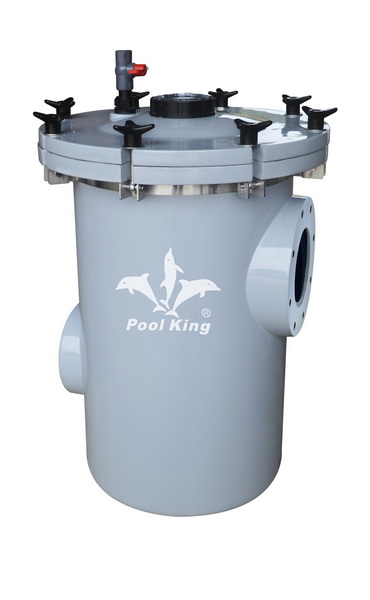
The pool filter works in tandem with your pool pump to cycle water and remove dirt, debris, and even microscopic contaminants. Without the filter, the accumulation of oils, leaves, insects, and algae would quickly transform your pool into a cloudy or even unsafe environment.
The filtration system continually traps particles that chlorine or other sanitizing chemicals cannot neutralize on their own. While pool chemicals kill bacteria and help prevent algae growth, the filter physically removes debris and tiny particles that make the water look and feel dirty. Think of the filter as the “kidneys” of your pool—it keeps everything clean and in balance.
Different types of filters use different mechanisms to clean your pool. The type of filter you own is the primary factor determining how often it should be changed.
A sand filter uses special silica sand, zeolite, or glass media to capture particles as water passes through. Dirt and oils cling to the sharp edges of the granules. These filters are popular for their affordability, durability, and ease of maintenance.
- Filtration capacity: Removes particles as small as 20–40 microns.
- Maintenance: Requires occasional backwashing, where water is sent in reverse flow to flush out collected debris.
- Replacement timeline: The sand media should be replaced every 3–5 years, though in heavy-use pools, this interval may be shorter.
Diatomaceous earth (DE) filters consist of grids coated with fine DE powder. This highly effective medium, made from fossilized algae, captures particles down to the tiniest levels.
- Filtration capacity: Traps particles as small as 3–5 microns, making it the most efficient among common filters.
- Maintenance: Requires backwashing, followed by re-adding fresh DE powder.
- Replacement timeline: Grids inside the DE filter usually last 2–3 years. Some grids may last longer with careful maintenance, but once they become worn, they lose effectiveness.
Cartridge filters employ replaceable filter elements that resemble pleated fabric cylinders. These are straightforward to clean and don't require backwashing, making them eco-friendly by saving water.
- Filtration capacity: Traps particles as small as 10 microns.
- Maintenance: Cartridges should be hosed off every 2–4 weeks, depending on usage, and deep cleaned with a dedicated filter cleaner at least once per season.
- Replacement timeline: Cartridges generally last 2–3 years, but owners with heavy pool usage or poor water chemistry may need to replace sooner.
Beyond general timelines, certain external factors can significantly shorten or prolong the life of your pool filter.
A large pool has more water volume for the filter to process. A bigger pool with an under-sized filter puts more strain on the system, requiring earlier replacement. Conversely, using an oversized filter for a small pool can reduce cleaning frequency and extend filter life.
The more people swim in your pool, the more contaminants are introduced. Body oils, sunscreen, sweat, and even hair clog up filters over time. A backyard pool used occasionally by a family of four will not stress the filter like a busy hotel or public facility pool does.
Unbalanced pool water creates major problems for filters. Scales from high calcium hardness, slimy biofilm from low chlorine, and mineral deposits can clog or even degrade filter media. Properly balanced pH, chlorine, alkalinity, and calcium hardness are essential not only for swimmer comfort but also for filter longevity.
Pools exposed to more debris such as leaves, dust, pollen, or rain runoff will need more frequent filter cleaning, which can lead to earlier replacements. Pools near construction zones, trees, or strong winds generally put additional load on filters.
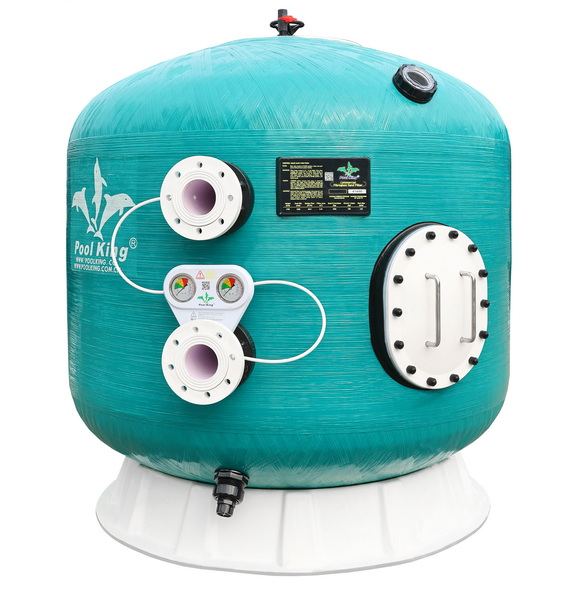
Even with regular maintenance, filters eventually wear out. Watch for these clear indicators:
- High pressure gauge readings that don't drop even after cleaning or backwashing.
- Persistent cloudy water despite proper chemical balance and cleaning steps.
- Weak water circulation through return jets, showing restricted water flow.
- Visible cracks or tears in cartridges or DE grids.
- Excessive algae growth that doesn't clear up despite treatment.
- Needing excessive chemicals to maintain your usual water clarity.
While replacement is inevitable, proper habits extend filter lifespan.
- Rinse or backwash filters promptly when pressure rises.
- Hose off cartridges using gentle spray instead of high-pressure nozzles that damage fiber pleats.
- Perform seasonal deep cleanings with filter-safe cleaner solutions.
- Cover your pool when not in use to reduce contamination.
- Keep pool water chemistry balanced at all times to prevent scaling and biofilm.
- Don't wait until the water turns cloudy to clean; preventative maintenance is always cheaper than repair.
| Filter Type | Average Replacement Period | Routine Maintenance |
|---|---|---|
| Sand Filter Media | 3–5 years | Backwash monthly, deep cleanse annually |
| DE Filter Grids | 2–3 years | Backwash + refresh DE powder after cycles |
| Cartridge Filter | 2–3 years | Rinse biweekly, deep clean once per season |
Your pool filter is the beating heart of your swimming pool system, constantly working to keep your water clean, safe, and swim-ready. Neglecting it will eventually lead to cloudy water, increased costs for chemicals, and even damage to other pool equipment.
General timelines suggest:
- Sand filters last 3–5 years.
- DE filters last 2–3 years.
- Cartridge filters last 2–3 years.
However, actual replacement depends heavily on usage, water chemistry, and environmental factors. Regular inspections, cleaning, and careful water balancing can extend lifespan while reducing operating costs. By understanding your pool filter, you'll save money, enjoy better water quality, and keep your swimming pool inviting all year long.
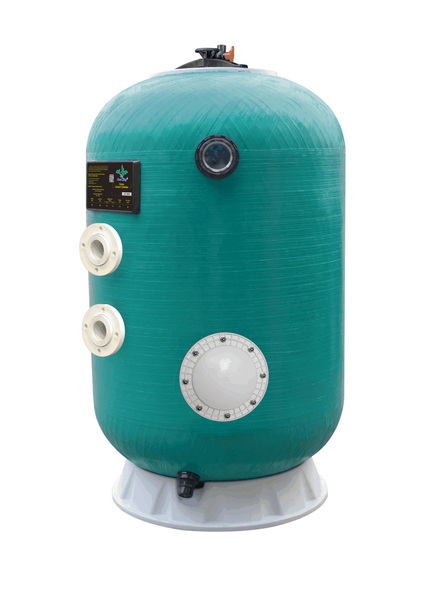
Yes. Routine cleaning, maintaining water chemistry, and using a pool cover effectively extend the lifespan of all types of pool filters.
A worn-out filter reduces water clarity, increases chemical needs, and puts strain on pumps, potentially causing costly equipment damage.
If your pool continually looks cloudy, requires frequent chemical adjustments, or your filter shows rapid pressure increases, your filter might be undersized.
Yes. Oversized filters handle less strain per cycle, meaning they clog less often and last longer with fewer cleanings required.
Not necessarily. Cloudiness may indicate chemical imbalance, poor circulation, or algae. If all are fine but cloudiness persists, then the filter is likely the problem.


