
Views: 222 Author: Tina Publish Time: 2025-11-24 Origin: Site


Content Menu
● How Long to Run Pool Pump in Summer
● Why Pump Run Time Matters in Summer
● General Summer Runtime Guidelines
● Exact Calculation by Turnover
● Climate and Pool Type Factors
● Single‑Speed vs Variable‑Speed Pumps
● Signs You Need Longer Runtime
● Energy‑Saving Tips for Long Summer Run Times
● Marketing Angle: OEM Summer‑Ready Filtration Solutions
● FAQs About Running a Pool Pump in Summer
>> 1. Is it OK to run my pool pump 24 hours a day in summer?
>> 2. Can I split my pump runtime into several shorter periods?
>> 3. How do I know if my pump is running long enough?
>> 4. Does a saltwater pool need longer pump runtime in summer?
>> 5. How often should I backwash or clean my filter in summer?
How long to run a pool pump in summer depends mainly on water temperature, pool size, bather load and the type of pump, but most pools need at least one full water turnover per day, typically 8–12 hours and up to 16–18 hours in very hot climates. With smart scheduling and an efficient pump and filter system, owners can keep water clear, safe, and energy‑efficient even during peak heat.[1][2][3][4][5][6][7]
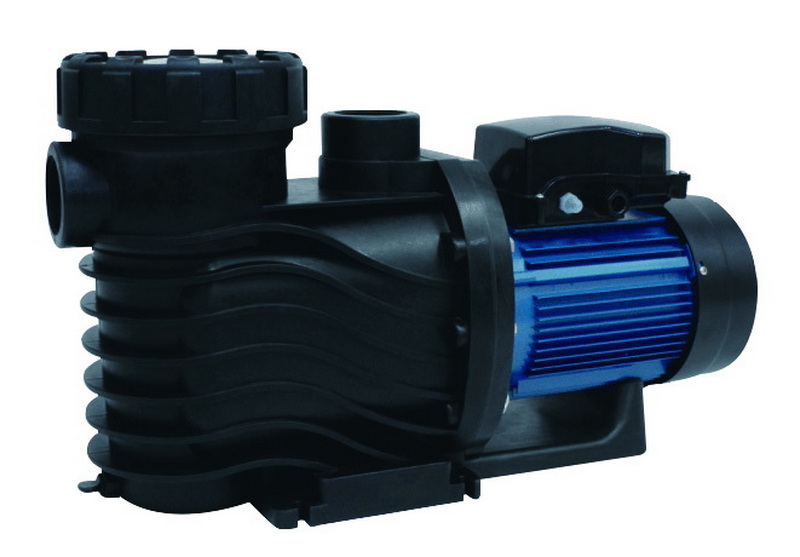
Running your pool pump long enough each day is essential to circulate chemicals, remove debris, and prevent algae growth during hot summer months. At the same time, over‑running the pump wastes energy and increases operating costs, so the goal is to balance water quality and efficiency.[2][3][4][5][1]
Hot weather accelerates algae growth and speeds up chlorine consumption, so the pool water needs more circulation in summer than in cooler seasons. Sunlight, higher water temperatures, and heavier use (swimmers, sunscreen, dust) create an extra organic load that the filter and sanitizer must handle.[3][5][1][2]
A properly sized sand, DE, or cartridge filter working together with a reliable pool pump is the foundation of a clean summer pool. OEM‑level sand filters and high‑efficiency pumps from experienced Chinese manufacturers help overseas brands meet strict performance and energy standards.[8][9][10][2]
Most residential pools need to turn over their entire water volume at least once per day, and sometimes twice in very hot or heavily used conditions. To achieve this, many professionals suggest running the pump 8–12 hours per day in summer, adjusting higher for hotter climates, full sun, or frequent swimmers.[5][6][1][2][3]
Some service companies recommend 12–16 hours per day when water temperatures climb into the 80s or higher, and up to about 18 hours per day for very warm pools that receive long, intense sunshine. Single‑speed pumps often run fewer hours at higher speed, while variable‑speed pumps can run more hours at lower, energy‑saving speeds.[1][2][3][5]
A popular rule of thumb is to run the pump roughly 1 hour for every 10 degrees of daytime air temperature, so at 90 °F the pump might run about 9 hours. This approach gives a fast starting point and recognizes that hotter air temperatures generally correlate with faster algae and bacteria growth.[11][12][2][1]
Another simple guideline is to start with 8 hours a day and then gradually increase runtime if you see cloudiness, algae spots, or poor circulation patterns on the pool surface. Owners can fine‑tune the schedule in 1–2 hour steps until the water stays consistently clear and chemically balanced.[13][4][5]
For more precision, the best method is to calculate pump runtime based on pool volume and pump flow rate. First, determine the pool volume in gallons or cubic meters, then find the pump's flow rate from the nameplate or manual, usually in gallons per minute (GPM) or cubic meters per hour.[6][5]
The daily runtime in hours is approximately:

This gives the time for one full turnover, which many experts recommend increasing in summer to approach 1.5–2 turnovers in very hot or high‑use conditions.[2][5][6]
In cooler or shaded regions, many pools stay clear with around 8–10 hours of daily runtime during summer, assuming good chemistry and an efficient filter. In very hot regions such as desert or subtropical climates, professionals often recommend 10–12 hours or more, especially when water temperatures exceed 82–84 °F.[4][7][14][5][1][2]
Above‑ground pools with smaller volumes may achieve a full turnover more quickly, but they often heat up faster and may still need long runtimes during heat waves. Large in‑ground pools with complex features, such as waterfalls or spas, can require additional circulation to keep all areas properly filtered.[5][2]
Single‑speed pumps run at one fixed high speed, so they typically operate fewer hours per day to manage electricity costs. With these models, owners often choose 8–12 hours daily in summer, concentrating runtime during the warmest daylight hours to fight algae and take advantage of filtration when the pool is being used.[3][4][1]
Variable‑speed pumps allow slower speeds for basic filtration and higher speeds for backwashing sand filters, vacuuming, or powering water features. A common approach is to run 3–4 hours at higher speed and 8–9 hours at lower speed, for a total of roughly 12 hours per day in summer.[3][5]
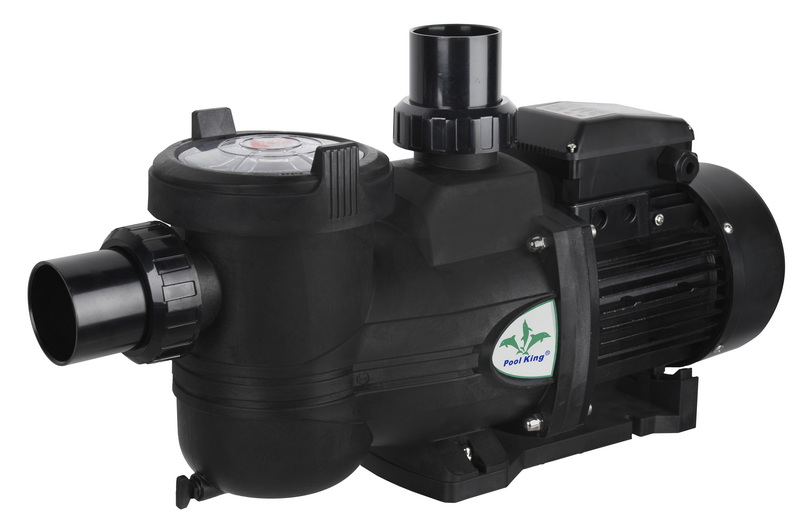
Many experts suggest running the pump during the day in summer, because that is when sunlight and heat drive algae growth and chlorine loss. Circulating water while the sun is strongest helps distribute sanitizer and keeps the surface moving, making it harder for algae to settle.[11][1][2][3]
On the other hand, some owners run part of the cycle at night to take advantage of lower electricity tariffs, especially when the total daily runtime is long. A split schedule—such as 4–6 hours in the afternoon and 4–6 hours overnight—can balance water quality and energy savings.[7][4][5][3]
Sand filters, DE filters, and cartridge filters each have different resistance levels and cleaning requirements that affect how well they perform at a given runtime. A clean, properly sized sand filter in good condition can maintain clarity with fewer hours than a clogged, undersized system.[8][7][2]
Regular maintenance—backwashing sand and DE filters, replacing media on schedule, and cleaning or swapping cartridges—is essential to keep flow rate and filtration efficiency high. High‑quality fiberglass sand filters and durable housings from specialized OEM factories help overseas brands deliver reliable performance through many summer seasons.[15][16][7][2][8]
Cloudy or dull water, even when chemical tests appear normal, is a common sign that the pump is not running long enough in summer. Small algae spots forming on steps, corners, or shaded areas also suggest inadequate circulation or insufficient total turnover time.[13][2][5]
If you notice debris lingering on the surface for many hours or dead zones where water seems still, consider increasing runtime and adjusting return jets for better movement. Many owners experiment by adding 1–2 hours per day for several days and monitoring whether clarity improves.[14][13][5]
Even when running the pump 10–14 hours per day, owners can control energy costs by using efficient motors, proper plumbing, and smart automation. Variable‑speed pumps, low‑restriction filters, and well‑designed piping reduce the power required to move each liter of water.[4][7][5][3]
Timers and smart controllers help schedule runtime during off‑peak energy periods where local utilities offer lower rates. Keeping baskets, skimmers, and filter media clean lowers system pressure and allows shorter runtimes to achieve the same turnover.[7][2][4][3]
Overseas pool brands, wholesalers, and assemblers often need customized filtration packages optimized for long, hot summers in their target markets. Working with a specialized Chinese OEM manufacturer of sand filters, pumps, LED lights, and related accessories allows them to develop integrated systems that maintain water clarity with minimal energy waste.[9][10][16][8]
Such partners can design fiberglass sand filters, multi‑speed or variable‑speed pumps, and intelligent controllers that match local climate, pool sizes, and electrical standards. OEM/ODM services also support private‑label branding, customized materials, and tailored performance curves to help distributors stand out in competitive markets.[10][16][15][9][8]
In summer, most pools require at least one full water turnover per day and often closer to 1.5–2 turnovers in very hot or heavily used conditions, which usually translates to about 8–12 hours of daily pump runtime and up to 16–18 hours in extreme heat. Exact runtime depends on pool volume, pump flow rate, climate, filter condition, and whether the system uses a single‑speed or variable‑speed motor, so owners should calculate a baseline turnover, follow professional guidelines, and then fine‑tune based on water clarity and energy‑cost goals.[6][1][2][5][7][3]
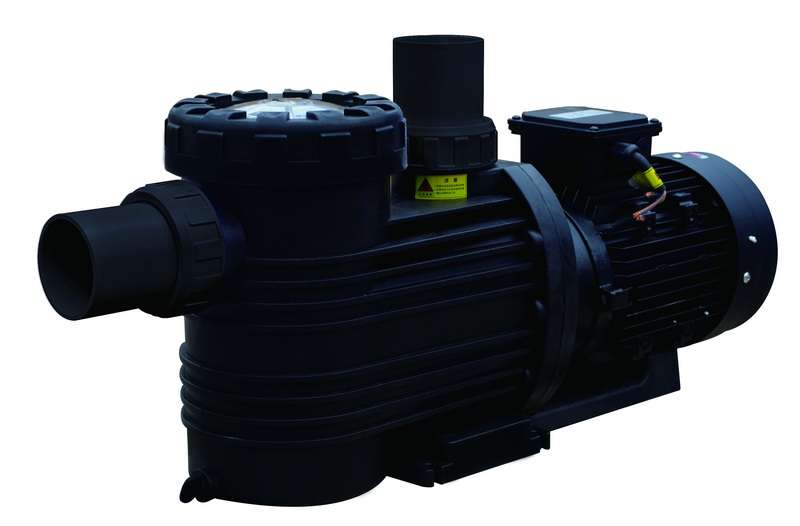
Yes, running a pump 24/7 keeps water circulating and can produce excellent clarity, but it is usually not necessary and can be expensive with a single‑speed pump. Many experts recommend targeting 8–12 hours for typical pools and using variable‑speed technology if longer runtimes are required for special conditions.[1][2][4][5][3]
You can split daily runtime into multiple blocks, such as morning and evening cycles, as long as the total daily hours achieve at least one full turnover. Splitting cycles can help match energy‑tariff windows and keep water moving during peak swimming times.[4][5][7][3]
If water stays clear and tests show stable sanitizer levels, pH, and alkalinity, your current runtime is likely sufficient. Persistent cloudiness, algae spots, or debris that lingers on the surface are signs that you may need more hours or better filtration performance.[2][13][5]
Saltwater pools often require longer runtimes because the salt chlorine generator only produces sanitizer while water is flowing. Many professionals suggest staying at the higher end of the 8–12+ hour range for salt systems in hot weather to maintain adequate chlorine levels.[17][13][5][3]
Backwash sand and DE filters whenever the pressure gauge rises about 8–10 psi above the clean baseline, which may happen more often in busy summer periods. Cartridge filters should be cleaned or replaced according to manufacturer guidance or whenever flow drops and pressure increases, ensuring efficient circulation at your chosen runtime.[7][2]
[1](https://www.riverbendsandler.com/help-advice/pool-school-how-often-should-a-pool-pump-run-in-the-summer/)
[2](https://intheswim.com/blog/how-long-to-run-pool-pump.html)
[3](https://www.aquagem.com/news/when-to-run-the-pool-pump-in-summer)
[4](https://home.howstuffworks.com/swimming-pool-pumps-run-all-the-time.htm)
[5](https://myeverclearpool.com/pool-care/how-often-run-pool-pump-in-arizonas/)
[6](https://www.pvcfittingsonline.com/blogs/resource-center/how-often-should-i-run-my-pool-pump)
[7](https://www.swimmingpool.com/maintenance/pump&filter/how-long-to-run-pool-pump/)
[8](https://www.poolkingfilter.com/top-10-pool-filter-manufacturers-in-china.html)
[9](https://www.made-in-china.com/manufacturers/sand-filter.html)
[10](https://www.starmatrixpool.com/chinese-professional-pool-sand-filter-equipment-water-filters-other-supplies-sand-filter-for-pool-product/)
[11](https://www.reddit.com/r/pools/comments/153sq0a/should_my_pool_pump_be_on_8_hoursday/)
[12](https://lesliespool.com/blog/how-to-calculate-pool-pump-run-time.html)
[13](https://www.reddit.com/r/pools/comments/pbcz27/how_long_should_i_run_my_pool_pump_each_day_i/)
[14](https://forum.mavaquadoc.com/index.php?threads%2Fhow-often-should-i-run-my-pool-pump-during-the-summer.132%2F)
[15](https://www.pikespool.com/china-factory-direct-sales-swimming-pool-water-durable-traditional-filtration-system-sand-filter_p290.html)
[16](https://www.maygopool.com/products2120726/PE-Top-Mounted-Sand-Filters.htm)
[17](https://www.facebook.com/groups/273395260599363/posts/1421226082482936/)
[18](https://www.youtube.com/watch?v=u4ExnupI26o)
[19](https://laswimaqua.com/product/laswim-china-factory-odm-oem-sand-filters-pool-sand-filters-for-inground-swimming-pools/)
[20](https://laswim9-prod.admin.mysiluzan.com/product/laswim-china-factory-odm-oem-sand-filters-pool-sand-filters-for-swimming-pools/)


