
Views: 222 Author: Tina Publish Time: 2025-11-04 Origin: Site


Content Menu
● Why Pool Pump Run Time Matters
● Understanding the Pool Pump System
● Factors Affecting Pump Run Time
>> 3. Filter Type and Condition
>> 4. Seasonal and Environmental Considerations
>> 5. Accessories and Water Features
● The 8-Hour Industry Benchmark
● Calculation: Find Your Ideal Pump Run Time
>> Step 1: Calculate Pool Volume
>> Step 2: Determine Pump Flow Rate
>> Step 3: Calculate Turnover Time
● Installation and Initial Setup
>> Key Tips
● Daily Operation & Smart Scheduling
>> Winterizing
● Advanced Tips for Safety and Optimization
>> Troubleshooting Common Issues
>> 1. Can I run my pool pump at night to save electricity?
>> 2. What should I do if water clarity declines even with a long run time?
>> 3. How does a sand filter pump work?
>> 4. What maintenance does my pump need?
>> 5. How do I install a pool pump safely?
Efficient pool filtration is not only fundamental for clear, healthy water but also for cost-effective, energy-smart operation. Among pool owners and professionals, "How long do you run a pool pump?" is one of the most critical – and commonly asked – questions. This guide draws on industry standards, engineering detail, and expert advice to help you determine the ideal run time for your pool pump, covering system design, operational methods, advanced features, safety, and ongoing maintenance. Explore precise recommendations, advanced calculation techniques, common troubleshooting steps, and key considerations that will ensure your pool remains sparkling and inviting year-round.[1][5][6][10][11][12]
Running your pool pump for the correct duration directly affects:
- Filtration efficiency and removal of dirt, debris, and microbes.[11][12]
- Proper chemical distribution (chlorine, algaecide, stabilizer) to all pool regions.[10]
- Energy use and equipment lifespan.
- Prevention of algae growth and maintenance of crystal-clear water.[13]
Too little run time leads to dirty, unsafe water and increased need for chemical treatments; too much wastes electricity and shortens equipment life.
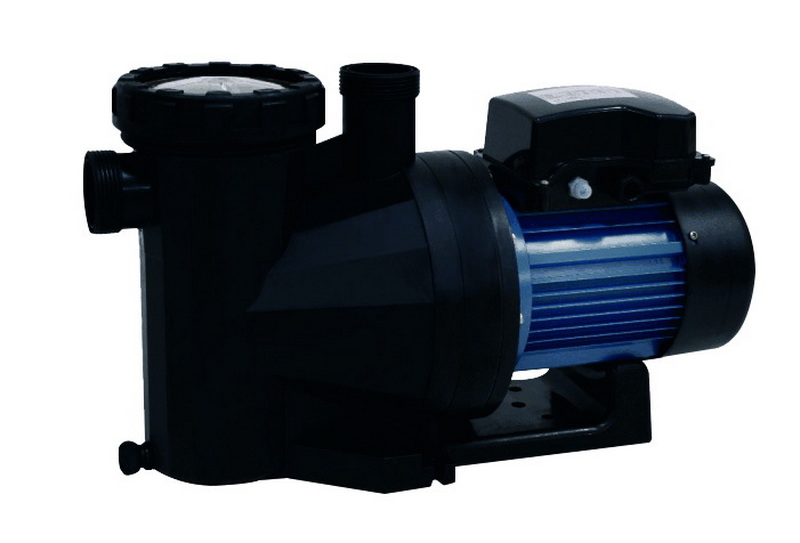
A pool pump system usually includes:
- Pump Motor: Drives the impeller for water movement.
- Pump Impeller and Volute: The impeller (core centrifugal element) spins and pushes water through the pump housing (volute).[5]
- Strainer Basket: Catches large debris before water reaches the filter.
- Filters: Sand, cartridge, or DE (diatomaceous earth) filter to remove fine particles.
- Plumbing: Ensures water flows from pool to filter and back.
Pool size (gallons or liters) dictates water turnover rates. A larger pool requires more filtration time to process all water at least once per day.
Measured in GPM (gallons per minute) or LPM (liters per minute), this value tells you how quickly your pump circulates water. Modern variable speed pumps can run longer at lower flows, improving filtration and energy efficiency.[8][1]
- Sand Filters: Require backwashing and periodic sand replacement.[6]
- Cartridge Filters: Need regular cleaning and eventual media replacement.
- DE Filters: Offer the finest filtration but are maintenance-intensive.
A clean, well-maintained filter allows efficient water movement; dirty filters increase resistance, lowering actual flow and requiring longer pump operation.
High temperatures, heavy swimmer load, rainfall, dust, and leaves all increase required filtration. Adjust run times seasonally for best results.
Integrated spas, waterfalls, solar heaters, and cleaning robots may require the pump to run longer or at higher speeds for proper operation.[4][14]
For most in-ground and above-ground pools, the 8-hour rule is a trusted standard: run the pump for about eight hours daily. This typically allows for at least one full turnover of the pool's water, sufficiently filtering contaminants and keeping chemicals evenly distributed. However, always adapt based on unique needs.[12][15][10][11]
- Rectangular Pool:
Volume (gallons)=Length (ft)×Width (ft)×Average Depth (ft)×7.5
- Round/Oval Pool:
Volume (gallons)=Length×Width×Average Depth×5.9
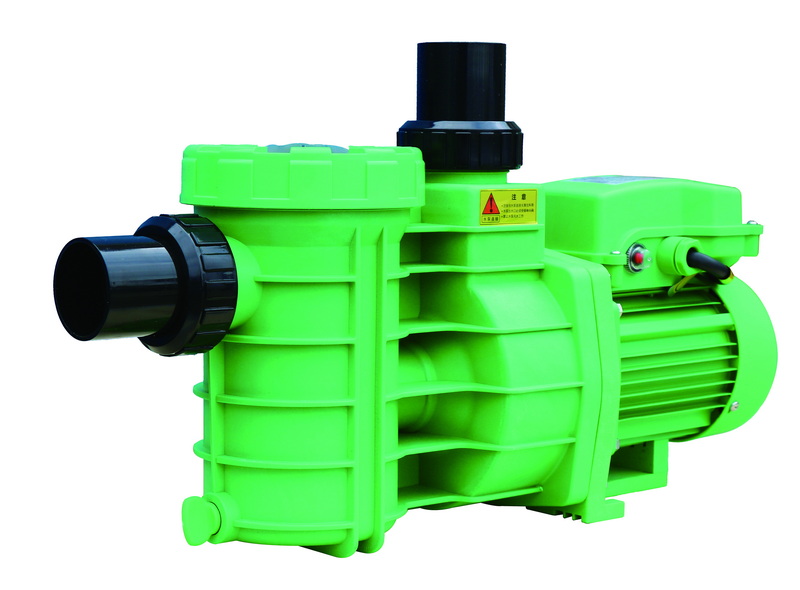
Consult manufacturer specs for your pump's GPM/LPM rating.

- Ensure the pump and filter assembly are placed on a level surface.[4][5]
- Connect all plumbing with appropriate fittings and quality sealant.
- Prime the pump by filling the strainer basket with water before first startup (prevents running dry and damage).[3][4]
- Backwash or rinse sand filters after installation to clear debris.[6]
- Always match the pump's flow rate with the filter's capacity to prevent damage or poor filtration.
- Double-check tightness of all connectors and valves.
- Consult power outlet specifications to avoid electrical hazards.[5]
Modern pool pumps can be programmed with timers and optionally controlled by smart home systems for precise, cost-saving operation:
- Off-Peak Running: Schedule operation during off-peak energy hours to reduce electricity bills.
- Split Sessions: Running the pump in two 4-hour blocks helps skimming and chemical dispersion.
- Manual vs Auto Modes: Use timer/auto mode for consistency; switch to manual for heavy cleaning or storms.
Variable speed pumps save significant energy by:
- Allowing low-speed, long-hours filtration.
- Using high speed for quick cleanups or running attached features (pool heater, vacuum, waterfall).
- Lower noise and longer equipment life.[1][8]
- Clean or backwash filters according to pressure gauge readings (usually when PSI is 8–10 above baseline).[6]
- Periodically inspect pump strainer baskets for debris.
- Check for leaks at seals, connections, and valves.
- Lubricate O-rings periodically for lasting watertight seals.
If located in a freezing climate, drain the pump and filter before winter to prevent cracked components. Store pumps and delicate parts indoors or in insulated, moisture-free enclosures.[6]
- Never run the pump dry—always prime it with water after maintenance.
- Install a lockable, weatherproof enclosure if your pump is outdoors for protection from the elements and tampering.[7]
- Ensure all electrical connections meet safety codes.
- Pump Won't Start: Check for electrical continuity, inspect fuses and wiring, ensure water reaches the intake.
- Low Flow/High Pressure: Clean filter, check for obstructions or closed valves.
- Strange Noises: Could indicate air leaks, failing bearings, or blocked impeller.
- Consider sensor-guided automation (for temperature or water level).
- Upgrade to variable speed for substantial energy savings and quieter operation.
- Use solar-powered controllers where possible to lower environmental impact.
Determining how long to run your pool pump each day is both a science and an art—balancing water quality, energy use, and system longevity. For most pools, 6–10 hours daily (8 hours as a standard) is effective, but always tailor this based on your pool's volume, pump flow, environmental factors, and advanced automation options. Routine maintenance, safety checks, and leveraging variable speed technology can further extend lifespan and minimize costs. By understanding your system and following expert protocols, you ensure not just clean water but also long-term equipment performance and substantial cost savings.[14][15][20][8][10][11][12][16][18][1][5][6]
Absolutely. Running your pump at night during off-peak hours can reduce energy costs significantly, as long as your pool receives sufficient circulation and chemical distribution before use.[20][10]
Check and clean your filters, confirm correct chemical balances, and increase runtime or flow speed temporarily. Inspect for obstructions in pipes and skimmers.[13][16][6]
Sand filter pumps force water through a bed of special pool filter sand, which traps debris and allows clean water to return to the pool. Backwashing releases accumulated dirt from the filter.[6]
Regularly clean baskets and filters, lubricate moving parts, check for leaks, ensure electrical safety, and drain/preserve during winter if required. Routine maintenance will extend equipment life and save energy.[1][6]
Set the pump on flat, stable ground with proper support, ensure all connections are leak-proof, use correct power outlets, and always prime the pump before first use to avoid dry operation. Consult installation guides or professionals for complex systems.[3][4][5]
[1](https://poolicons.com/pool-maintenance/complete-beginners-guide-to-pool-pump-operation/)
[2](https://leisurepools.com.au/wp-content/uploads/2020/10/Equipment-Accessory_INSNRG_Variable_Speed_Pump_OwnersManual.pdf)
[3](https://www.insnrg.com/wp-content/uploads/2024/08/IO-MANUAL-Si-Single-Speed-Pump.pdf)
[4](https://www.astralpool.com.au/pool-and-spa-guides/installing-equipment)
[5](https://www.maygopool.com/n1904439/Complete-guide-to-swimming-pool-pump-installation-learn-it-in-one-go.htm)
[6](https://www.streampumps.com/pump-introductions/how-does-a-sand-filter-pump-work.html)
[7](https://complianceandconsulting.com.au/pool-pump-safety-compliance-a-comprehensive-guide/)
[8](https://www.swimuniversity.com/variable-speed-pool-pumps/)
[9](https://www.capitolpool.com/service/operating-instructions)
[10](https://global-poolproducts.com/how-long-should-a-pool-pump-run/)
[11](https://www.swimmingpool.com/maintenance/pump&filter/how-long-to-run-pool-pump/)
[12](https://www.zodiac.com.au/pool-and-spa-guides/top-question-our-customers-ask-how-long-should-i-run-my-pump-for)
[13](https://pool.dreametech.com/blogs/blog/how-to-calculate-pool-pump-run-time)
[14](https://www.pentair.com/en-us/education-support/water-education-center/pool-and-spa-education/pool-pump-information-guide.html)
[15](https://baracuda.co.za/blog/how-long-should-i-run-my-pool-pump-for/)
[16](https://mrpoolman.com.au/blogs/news/how-long-should-i-run-my-pool-pump-every-day)
[17](https://www.youtube.com/watch?v=3BPPvQp0qx0)
[18](https://www.youtube.com/watch?v=u4ExnupI26o)
[19](https://www.youtube.com/watch?v=5kZoI73LTfg)
[20](https://www.espa.com/corp-en/articles-day-or-night-filtration-/)


