
Views: 222 Author: Tina Publish Time: 2025-12-19 Origin: Site


Content Menu
● Do You Really Need To Run It 24/7?
● How Many Hours Should You Run Your Pool Pump?
● Key Factors That Decide Run Time
● Pros And Cons Of Running Your Pump 24/7
>> Benefits Of Continuous Operation
● How To Calculate Your Ideal Pump Schedule
● Best Time Of Day To Run Your Pool Pump
● Variable‑Speed Pumps: A Smart Way To Run Longer
● Choosing The Right Filter To Support Your Pump Schedule
● Practical Pump Scheduling Examples
● Signs You Are Not Running The Pump Enough
● How Smart Controls And Automation Help
>> 1. Is it OK to run my pool pump 24 hours a day?
>> 2. What happens if I do not run my pump long enough?
>> 3. How do I know if my pump schedule is correct?
>> 4. Are variable‑speed pumps really worth the cost?
>> 5. Should I run my pump at night or during the day?
>> 6. How often should I backwash or clean my filter if I run the pump longer?
A swimming pool pump is the heart of the circulation and filtration system: it pulls water from the pool, pushes it through the filter, and returns clean, treated water back into the basin. Whether you should leave your pool pump running all the time depends on water volume, pump type, climate, usage patterns, and energy‑cost considerations.[2][3][5][1]
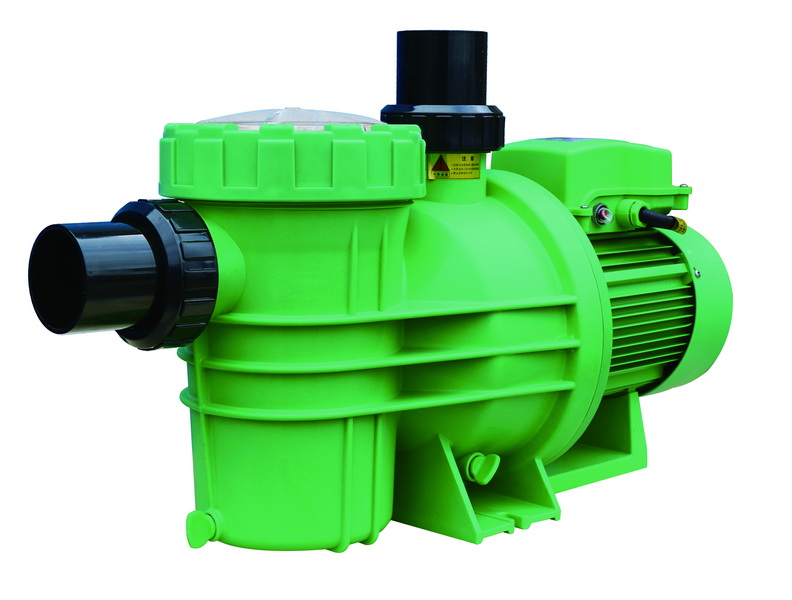
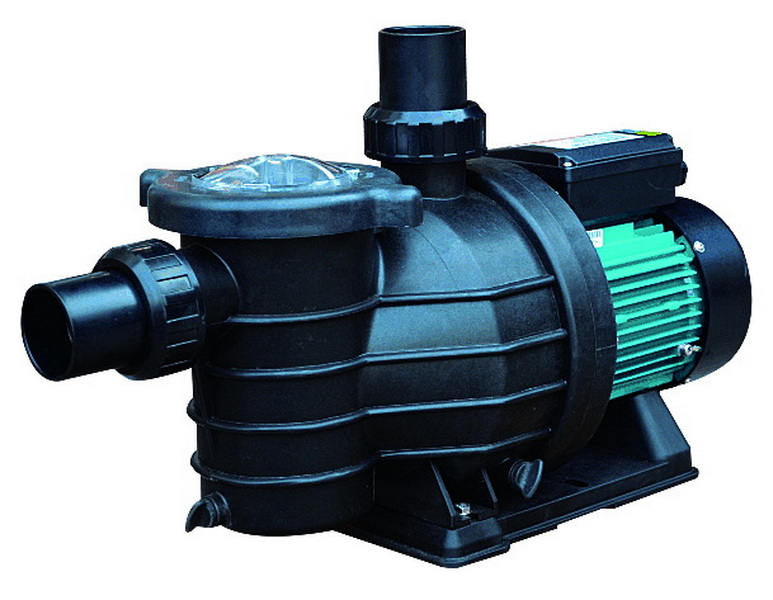
A pool pump typically consists of an electric motor, an impeller, a strainer basket, and a housing that connects to the pool's suction and return plumbing. When the pump is on, it draws water from skimmers and main drains, pushes it through the filter media (sand, DE, or cartridges), and returns it to the pool via return inlets.[8][1][2]
This circulation allows the filter to trap debris and helps sanitizing chemicals such as chlorine or bromine distribute evenly throughout the water, preventing algae growth and bacterial contamination.[4][2]
Technically, you do not have to run a traditional single‑speed pool pump 24 hours a day to maintain clear water in most residential pools. Many industry guides and pool professionals suggest that, for a correctly sized pump and filter, about one full turnover of the pool's water volume per day is enough, which often translates to roughly 8 hours of run time.[3][5][9][1]
Running a pump 24/7 can improve circulation and clarity, but it significantly increases electricity costs with older, inefficient pumps; variable‑speed pumps can run longer at low speed with far less power consumption, allowing near‑continuous operation more affordably.[10][7][11]
The ideal daily run‑time depends on pool size, pump flow rate, and environmental factors, but many experts recommend at least 8 hours per day for a typical residential pool during the swimming season. A common rule of thumb is to run a single‑speed pump about one hour for every 10 degrees of daytime air temperature (for example, 9 hours when it is 90°F / 32°C).[5][9][12][13][3]
In cooler off‑season conditions below about 60°F (15–16°C), some resources suggest that you can reduce run‑time to 4–6 hours per day because organic growth and bather load are much lower. Conversely, in very hot climates or heavily used pools, you may need closer to 12 or more hours to prevent algae and cloudy water.[14][13]
Several variables determine whether running your pump all the time makes sense or whether you can safely reduce the schedule without sacrificing water quality.[2][14]
- Pool size and volume: Larger pools need more pump hours to turn over all the water at least once a day, unless the pump is very high‑flow.[9][15]
- Pump type and speed: Single‑speed pumps use the same high power whenever they run, while variable‑speed pumps allow long, low‑speed operation that uses much less energy.[7][16][10]
- Filter type and condition: Sand, DE, and cartridge filters all have different flow and dirt‑holding characteristics; dirty or undersized filters require longer circulation to maintain clarity.[13][1][2]
- Climate and temperature: Warmer water and more sunlight encourage algae and bacteria, which usually requires longer daily pump operation in summer than in winter.[14][13]
- Debris and landscaping: Pools under trees, near lakes, or in dusty, windy environments collect more debris and typically need longer circulation.[13][14]
- Bather load and usage: Busy commercial or rental pools require much more filtration than rarely used private pools due to sunscreens, lotions, sweat, and organic load.[2][14]
Some pool owners choose to run the pump continuously, especially when using high‑efficiency variable‑speed pumps, but this strategy has trade‑offs.[6][10]
Running a pump 24/7 ensures that the water is always moving through the filter, which tends to keep the pool clearer with fewer “dead spots” where debris and algae can accumulate. Continuous circulation also keeps chemical levels more stable and helps heaters or heat pumps maintain a more consistent temperature across the pool.[4][6]
For pools with high bather load, heavy debris, or complex shapes with many steps and benches, constant circulation can make maintenance easier and help avoid localized algae blooms such as mustard algae in shaded areas.[6][4]
The main downside of 24/7 operation is energy cost, especially with older single‑speed pumps, which can be one of the largest electricity consumers in a home if run nonstop. Continuous high‑speed operation also puts more wear on the motor and may shorten pump life compared with a balanced schedule that still provides adequate turnover.[11][5][10][7]
In most residential settings with a properly designed filtration system, operating the pump for a calculated number of hours based on turnover requirements achieves a similar level of water quality with far less power consumption.[15][8]
Instead of guessing, you can calculate how long your pump needs to run each day by using pool volume and pump flow rate.[9][15]
1. Find pool volume: Calculate liters or gallons based on length × width × average depth × a shape factor; many online calculators automate this step.[15][9]
2. Get pump flow rate: Refer to the pump's performance chart or rating plate to find the approximate flow in liters or gallons per minute at your system's typical operating pressure.[9][15]
3. Compute turnover time: Divide pool volume by flow per minute to get the minutes required for one full turnover (for example, 70,000 L ÷ 210 L/min ≈ 333 minutes, or about 5.5 hours).[15][9]
4. Adjust for conditions: Increase run‑time during hot weather, heavy use, or high debris; reduce slightly in cooler, low‑use periods while still maintaining clear, sanitary water.[14][13][15]
Once daily run‑time is set, timing can help optimize chemical performance and manage energy costs.[3][14]
Some sources recommend running the pump during the hottest, sunniest part of the day so that chlorine is constantly circulated and UV‑driven breakdown is minimized in localized areas. Others emphasize running a significant portion of the schedule during off‑peak electricity hours at night to reduce utility bills, especially in regions with time‑of‑use pricing.[12][5][3][14]
A practical approach is to split run‑time across the day: for example, run several hours during peak sun and several hours at night, as long as total daily circulation meets or exceeds your turnover target.[5][3][15]
Variable‑speed pool pumps use advanced permanent‑magnet motors and electronic controls, allowing you to set different speeds for filtration, backwashing, water features, or spa jets. By running at low speed for longer durations, they dramatically reduce energy consumption while still providing excellent filtration and circulation.[10][7][11]
Many case studies show that variable‑speed pumps can cut energy use by 50–80% compared with old single‑speed models, while also operating more quietly and extending equipment life. For pool owners who want near‑continuous circulation without huge energy bills, a variable‑speed pump combined with an efficient filter is often the best solution.[7][11][10]
Because your company specializes in top‑grade sand filters and filtration solutions, it is important to highlight how the filter works together with the pump schedule to keep the pool clean. Sand filters, DE filters, and cartridge filters each offer distinct performance characteristics.[1][13][2]
- Sand filters: Durable and easy to operate, sand filters provide reliable filtration with relatively low maintenance; with quality media and proper backwashing, they work well with standard 8–12 hour pump cycles in most residential pools.[1][2]
- DE filters: These capture finer particles and can deliver very clear water; however, they may require more frequent backwashing and DE recharging, especially under high debris load and long pump run‑times.[13][1][2]
- Cartridge filters: Efficient and water‑saving because they do not require backwashing, but they must be removed and cleaned regularly; they pair well with variable‑speed pumps running longer hours at low speed.[2][13]
OEM‑grade sand filters with optimized internal design work especially well with intelligent, automated pumps, delivering high filtration efficiency with minimal pressure loss so that long run‑times remain energy‑efficient.
Below is a simple guide for typical residential pools; individual requirements may vary and water clarity should always be monitored and the schedule adjusted as needed.[14][15][2]
| Scenario | Suggested Daily Run‑Time | Notes |
|---|---|---|
| Cool season, low use | 4–6 hours | Water under 60°F (≈15–16°C); low algae pressure.aaronpoolsandspas+1 |
| Average summer, standard backyard | 8 hours | One turnover per day for correctly sized pump.lesliespool+1 |
| Hot climate, heavy use | 10–12 hours | Extra circulation to prevent cloudy water.aaronpoolsandspas+1 |
| High debris / trees nearby | 10–12 hours | More filtration to handle organic load.aaronpoolsandspas+1 |
| Variable‑speed pump, efficiency‑focused | 16–24 hours at low speed | Long, slow circulation with reduced power draw.castawaypoolservice+2 |
Even with good equipment, insufficient run‑time quickly shows in water quality and appearance.[4][2]
Common warning signs include cloudy or dull water, visible algae on walls or steps, and persistent debris floating or settling on the floor despite normal vacuuming. You may also notice inconsistent chlorine levels, strong odors, or localized staining where circulation is poor, especially around corners, steps, and under ladders.[4][2][14]
If any of these symptoms appear, increase daily pump run‑time, confirm filter cleanliness, and check chemical balance, adjusting until the pool remains clear and stable for several days in a row.[15][2][4]
Modern smart controllers and integrated pump‑filter systems can automatically optimize runtimes, speeds, and scheduling. With programmable timers, sensors, and app control, owners can run longer, low‑speed filtration cycles, boost speed for vacuuming or backwashing, and automatically adjust schedules for seasons and energy‑tariff windows.[11][8][10][7]
For OEM brands and distributors, offering complete filtration packages that combine intelligent pumps, high‑performance sand filters, and smart control modules provides end‑users with clear water, lower operating costs, and a more convenient ownership experience.[10][11]
You do not have to leave a traditional pool pump running all the time, but your system must run long enough each day to fully circulate and filter the pool water, typically around 8 hours for correctly sized residential setups. The optimal schedule depends on pool volume, pump and filter design, climate, and usage patterns; in hotter climates or high‑use, high‑debris pools, 10–12 hours or more may be necessary, while efficient variable‑speed pumps can safely operate nearly 24/7 at low speed with far less energy consumption.[3][5][7][11][1][10][2]
By combining an intelligently scheduled pump with a high‑quality sand, DE, or cartridge filter, and optionally smart automation, pool owners can maintain crystal‑clear, hygienic water without wasting electricity—creating an ideal use case for OEM‑grade pumps, sand filters, and integrated filtration solutions supplied by professional manufacturers.
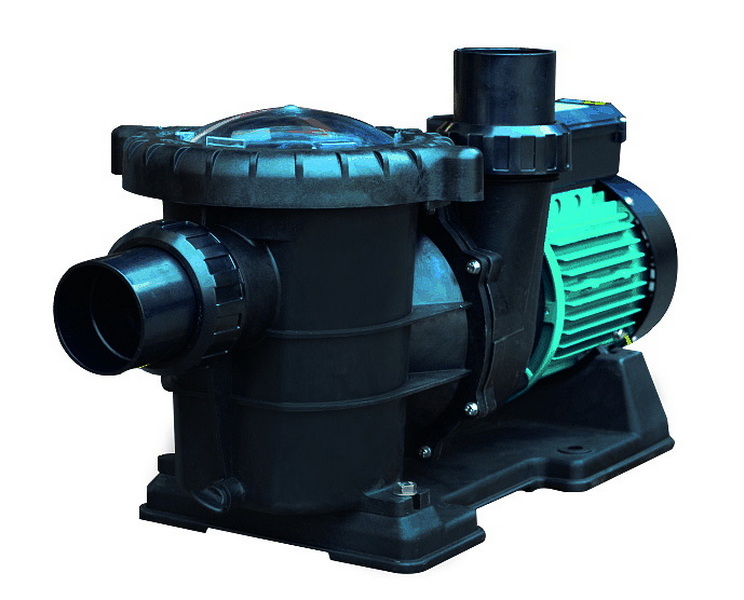
Yes, it is generally safe to run a pool pump 24/7 as long as the equipment is in good condition and properly installed, but energy costs with old single‑speed pumps can be very high. Many professionals now recommend pairing longer run‑times with efficient variable‑speed pumps, which dramatically reduce power consumption while keeping circulation constant.[5][6][7][11][10]
If the pump does not run long enough, water will not pass through the filter sufficiently, allowing debris, bacteria, and algae to accumulate and causing cloudy or green water. Poor circulation also prevents chemicals from mixing evenly, resulting in unstable sanitizer levels and possible staining or scaling in low‑flow areas.[13][2][4]
Clear, sparkling water with stable chemical readings, minimal debris, and no recurring algae is a good indication that your pump run‑time is adequate. If you constantly fight cloudy water, algae, or fluctuating chlorine even with proper chemistry, your pump may not be running long enough, your filter may be undersized or dirty, or your circulation pattern may need adjustment.[2][4][14][15]
Variable‑speed pumps often save 50–80% in electricity compared with single‑speed models by allowing low‑speed, long‑duration operation for routine filtration. In many markets, energy savings and potential utility rebates can repay the higher purchase price within a few seasons, while owners also benefit from quieter operation and longer equipment life.[7][11][10]
Running the pump during the day helps keep chlorine well distributed while sunlight is strongest, which can be beneficial for water clarity. However, many owners shift part or most of the run‑time to off‑peak nighttime hours to take advantage of lower electricity rates, as long as total daily turnover is sufficient.[12][3][5][14][15]
The more hours your pump runs, the faster the filter loads with debris, so you should monitor pressure closely and backwash sand or DE filters when pressure rises 7–10 psi above clean baseline, or clean cartridges when the gauge or flow indicates restriction. Efficient, properly sized filters from reputable OEM manufacturers can handle extended run‑times with stable performance, provided that maintenance intervals are respected.[1][13][2]
[1](https://home.howstuffworks.com/swimming-pool-pumps-run-all-the-time.htm)
[2](https://www.1stdirectpools.com/blog/post/when-run-pool-pump-ultimate-guide)
[3](https://lesliespool.com/blog/whats-the-best-time-to-run-your-pool-pump.html)
[4](https://poolpartstogo.com/blogs/articles/should-you-run-a-pool-pump-24-hours-a-day)
[5](https://mastercraftpool.com/how-many-hours-per-day-does-my-pool-pump-need-to-run/)
[6](https://www.funcenterpools.com/en/help/pool-pumps/is-it-okay-to-run-my-pool-pump-24/7)
[7](https://lesliespool.com/blog/benefits-of-variable-speed-pool-pumps.html)
[8](https://www.swimmingpool.com/maintenance/pump&filter/how-long-to-run-pool-pump/)
[9](https://mrpoolman.com.au/blogs/news/how-long-should-i-run-my-pool-pump-every-day)
[10](https://castawaypoolservice.com/variable-speed-pool-pumps/)
[11](https://www.cleanenergyconnection.org/article/variable-speed-pool-pumps-really-do-save-you-money-heres-how)
[12](https://www.reddit.com/r/pools/comments/153sq0a/should_my_pool_pump_be_on_8_hoursday/)
[13](https://intheswim.com/blog/how-long-to-run-pool-pump.html)
[14](https://www.aaronpoolsandspas.com/pool-pumps-the-best-time-to-run-your-pump/)
[15](https://lesliespool.com/blog/how-to-calculate-pool-pump-run-time.html)
[16](https://poolboys.com/blog/63-top-5-benefits-of-a-variable-speed-pool-pump)
[17](https://www.reddit.com/r/pools/comments/pbcz27/how_long_should_i_run_my_pool_pump_each_day_i/)
[18](https://www.reddit.com/r/pools/comments/1dah4rg/does_anyone_else_run_their_pool_pump_247/)
[19](https://www.reddit.com/r/pools/comments/liaj6w/is_a_variable_speed_pump_worth_it/)
[20](https://www.youtube.com/watch?v=ALeeRBaRYJk)


