


Content Menu
● Safety warnings before you start
● Option 1: DIY cartridge‑style upgrade
>> Basic steps
● Option 2: Bucket‑style DIY sand filter
>> Basic steps
● When to choose professional OEM filters
● Related questions and answers (FAQ)
>> 1. Is a DIY pool filter safe to use?
>> 2. What is the best media for a homemade sand filter?
>> 3. How often should a DIY pool filter be cleaned?
>> 4. Can a DIY filter replace a professional sand filter on an in‑ground pool?
>> 5. What are the biggest risks of building your own pressurized filter tank?
>> 6. How can pool brands or wholesalers use OEM filters instead of DIY systems?
Building a DIY pool filter can be a fun and cost‑effective way to keep a small backyard or temporary pool cleaner, but it must be done with care, correct materials, and a strong focus on safety. For larger in‑ground pools or commercial applications, purpose‑built sand, cartridge, and DE filters from reputable OEM manufacturers are still the safest and most efficient choice.[1][2][3][4]
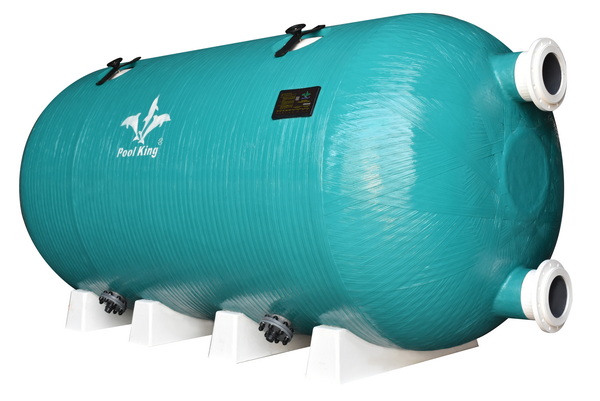
DIY pool filters are popular for small above‑ground or seasonal pools because they are cheap and can be made from buckets, drums, or reused cartridges. However, they do not offer the same performance, safety certifications, or durability as engineered sand, cartridge, or DE systems from established manufacturers.[2][3][4][1]
For serious residential in‑ground pools or commercial pools, professionally designed sand and cartridge filters are recommended, with clear pressure gauges, rated housings, and documented maintenance procedures. OEM systems from specialized factories can be customized with different media, valves, and pumps to match pool size, plumbing, and regional standards.[5][4][6][2]
Any pool filter that operates under pressure can be dangerous if built or used incorrectly, so safety has to come first. Even professional filters can fail violently if the clamp or lid is not installed correctly or if pressure is not relieved before opening the tank.[7][5]
Always turn the pump power off, lock out the breaker if possible, and bleed off pressure before servicing any filter system. Wear basic protective gear such as goggles, gloves, and closed‑toe shoes when handling tools, PVC glue, sealants, or pool chemicals, and avoid using thin metal cylinders that can corrode and rupture.[8][9][5]
One common DIY approach is to rebuild a worn‑out pool cartridge filter by replacing the paper pleats with alternative filter media inside the original plastic end caps and core. This keeps the factory‑made housing and circulation path but lets the user experiment with cheaper, reusable materials such as quilt batting.[10][11][1]
- Old cartridge core and plastic end caps from a compatible housing.[11][1]
- Poly batting used for quilting or similar synthetic filter fabric.[1]
- Galvanized or plastic mesh to form an outer cage, plus wire cutters and needle‑nose pliers.[1]
- Epoxy or non‑water‑soluble glue to re‑bond the core to the caps if needed, following ventilation and cure‑time instructions.[1]
1. Cut away the old paper pleats close to one plastic end cap using strong scissors or wire cutters, taking care not to damage the core.[11][1]
2. Re‑epoxy the center core into the remaining end cap if loose, allowing the bond to cure fully before adding media.[1]
3. Roll a cylinder of mesh sized to the cartridge diameter, leaving a little extra length at the top, and fold tabs inward to form a closed top opening for the pump socket.[1]
4. Wrap one or two strips of poly batting tightly around the center core, trimming to fit so water must pass through the fabric.[1]
5. Slide the mesh cage over the wrapped core and seat it against the plastic end cap, then reinstall the rebuilt cartridge into the filter housing and test for leaks and flow.[10][1]
This kind of upgrade remains non‑pressurized inside a factory housing and is mainly used by owners of small above‑ground systems looking to stretch cartridge life. It should still be cleaned regularly with a hose and replaced if the fabric becomes clogged, torn, or moldy.[10][11]
Another well‑known DIY design uses a 5‑gallon bucket as a non‑pressurized sand filter, typically paired with a small above‑ground pump. In this setup, water flows from the pump into the top of the bucket, passes through layers of sand or media, and then drains out near the bottom back to the pool.[3][12]
- Heavy‑duty 5‑gallon plastic bucket with lid and compatible grommets or bulkhead fittings.[12][3]
- Short lengths of PVC or barbed fittings for inlet and outlet connections, sized for the existing hoses.[3][12]
- Sand media such as clean play sand or, preferably, pool‑grade sand for better filtration.[4][3]
- Perforated PVC pipes or “laterals” wrapped in landscaping fabric to keep sand from escaping the outlet line.[3]
1. Drill a hole near the bottom sidewall of the bucket for the outlet, and another in the lid or upper wall for the inlet, matching your fitting sizes.[12][3]
2. Install PVC or barbed fittings through the holes and seal them so they do not leak, ensuring the outlet points toward the pool and the inlet connects from the pump discharge.[12][3]
3. Inside the bucket, attach slotted PVC pipes or a small manifold wrapped in landscaping fabric or similar cloth to act as a sand‑retaining collector.[3]
4. Add a measured depth of sand above the collector, leaving room at the top of the bucket for water and flow without overflowing.[3]
5. Close the lid, connect hoses from the pool to the pump and from the bucket back to the pool, prime the lines, and run the pump while checking for leaks, reduced flow, and sand escaping to the pool.[12][3]
Because the bucket is not rated for high pressure, the pump must be small and the system should never be throttled or blocked in a way that could cause the bucket to deform or burst. This approach is best reserved for temporary backyard pools, with frequent inspection to avoid corrosion, cracks, or leaks.[9][3]
Even a homemade filter needs consistent maintenance to work properly and avoid cloudy or unsafe water. As debris builds up in the media, flow drops and the pump must work harder, which can shorten its life and reduce sanitation.[5][7][8]
For DIY cartridge‑style filters, the media should be removed and rinsed thoroughly with a garden hose, and replaced if it becomes heavily stained or cannot be cleaned. For bucket sand filters, the sand bed can be stirred gently and some water pumped to waste to flush out dirt, but periodic full replacement of the sand is usually required.[2][4][11]
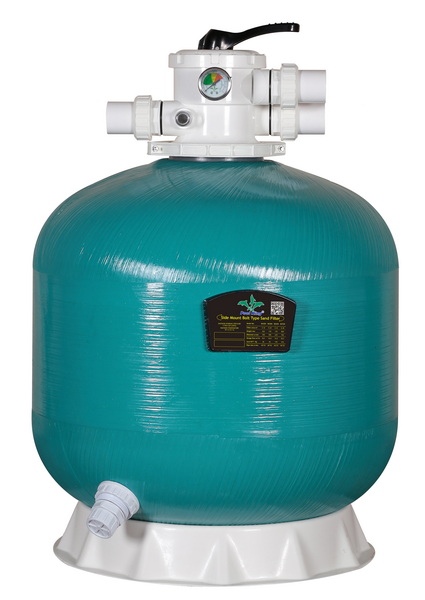
While DIY filters can help with small or low‑risk applications, most permanent pools benefit from professionally engineered systems. Factory‑built sand, cartridge, and DE filters include properly rated tanks, secure clamps, and well‑tested internal components that support higher flow rates and safer operation.[6][4][2]
Modern sand filters use specially graded silica or alternative media, cartridge filters offer high surface area and easy maintenance, and DE filters deliver very fine particle capture for demanding environments. OEM factories can integrate pumps, LED lights, and accessories into complete systems or white‑label products for brands, wholesalers, and pool equipment manufacturers.[4][2]
DIY pool filters made from reused cartridges or bucket‑style sand chambers can be helpful for small, temporary pools when built carefully and used at low pressure. However, they require strict attention to safety, regular maintenance, and realistic expectations about performance and lifespan.[7][5][3][1]
For long‑term residential or commercial pools, professional sand, cartridge, and DE systems from specialized OEM manufacturers remain the most reliable and efficient solution for clear, healthy water. By combining professional equipment with good circulation, water testing, and safe operating practices, pool owners and brands can provide a better swimming experience with fewer problems and lower total costs.[2][5][4][7]
A DIY pool filter can be reasonably safe on small, low‑pressure systems if it is built from robust plastic, sealed well, and never allowed to become heavily pressurized. It is important to avoid metal vessels that can corrode and to turn off the pump and relieve pressure before opening or adjusting any part of the system.[9][7][3]
Many DIY builders use inexpensive play sand, but pool‑grade filter sand generally offers better and more predictable filtration. Alternative media like glass or zeolite can sometimes be used in sand‑style filters, but they should match the particle size and density recommended for the design to avoid channeling or poor performance.[4][2][3]
DIY filters should be inspected weekly during the swimming season, with media rinsed or agitated whenever flow noticeably drops or water appears cloudy. For cartridges, that typically means a thorough hose cleaning when they look dirty, and complete replacement if the media stays stained or loses structure.[5][7][11]
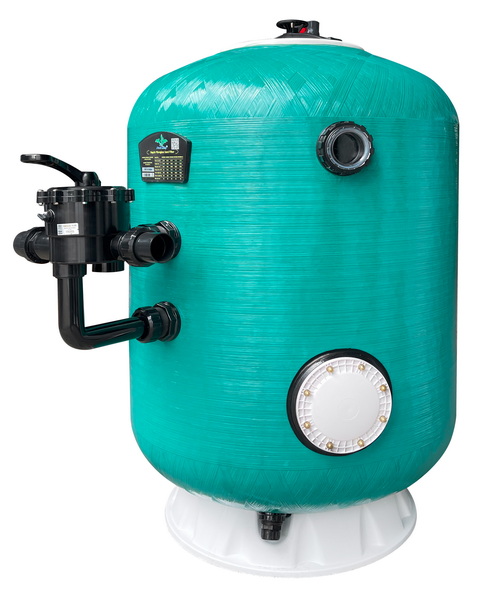
For most in‑ground pools, a DIY filter is not an adequate replacement for a properly sized professional sand or cartridge system because of pressure, flow, and safety requirements. Engineered filters include rated tanks, internal laterals, and valves that handle higher loads and are tested to industry standards, which homemade units usually cannot match.[6][2][4]
The main risk is tank or clamp failure if the vessel is not designed, tested, and labeled for the pressures involved, which can cause sudden lid or sidewall rupture. There is also a risk of entrapment or injury if the pump runs while someone is handling the filter or if clothes and hair become caught near suction or moving parts.[7][6]
Brands and wholesalers can work with OEM factories to specify sand, cartridge, or DE filters with particular sizes, media, valves, and logos for their markets. These OEM solutions offer repeatable performance, documented installation and safety instructions, and integration with pumps, LED lights, and accessories for complete equipment packages.[2][4]
[1](https://www.instructables.com/DIY-Pool-Filter/)
[2](https://mrpoolman.com.au/blogs/news/pool-filters-the-ultimate-guide)
[3](https://www.instructables.com/diy-non-pressurized-sand-filter-for-backyard-pool/)
[4](https://intheswim.com/blog/beginners-guide-to-swimming-pool-filters.html)
[5](https://www.jimspoolcare.com.au/news-pool-cleaning/diy-pool-filter-maintenance-tools-and-techniques-for-the-handy-homeowner/)
[6](https://www.pentair.com/en-us/pool-spa/education-support/professional-support/pool-and-spa-education/4-safety-tips-for-servicing-pool-filters.html)
[7](https://www.poolwerx.com/blog/how-to/things-to-know-before-you-tackle-diy-pool-care/)
[8](https://www.youtube.com/watch?v=YHt247GVMVQ)
[9](https://www.mig-welding.co.uk/forum/threads/thinking-of-making-a-sand-filter-for-a-pool-has-anyone-done-this.13054/)
[10](https://www.reddit.com/r/AboveGroundPools/comments/oafn6f/diy_pool_filter_cartridge_replacement_it_really/)
[11](https://www.instructables.com/How-to-Clean-a-Pool-Cartridge-Filter-System/)
[12](https://www.youtube.com/watch?v=v86ur2HiOk8)
[13](https://www.facebook.com/groups/637529959937311/posts/2601456526877968/)
[14](https://www.youtube.com/watch?v=HdzlnCvZrn4)
[15](https://www.youtube.com/watch?v=t9gDogR_MDE)
[16](https://www.facebook.com/groups/1634699453451894/posts/3612224525699367/)
[17](https://www.poolmarttx.com/post/from-scummy-to-sparkling--your-guide-to-diy-and-pro-swimming-pool-filter-repair)
[18](https://www.youtube.com/watch?v=_ewRvfTVLnI)
[19](https://www.reddit.com/r/pools/comments/14o30p1/what_kind_of_filter_is_this_where_can_i_find/)
[20](https://www.homedepot.com/c/ah/how-to-install-a-pool-filter/9ba683603be9fa5395fab9018052cdbc)


