
Views: 222 Author: Tina Publish Time: 2025-10-31 Origin: Site


Content Menu
● Why Pool Pump Operation Matters
● How Long to Run the Pool Pump: The Essentials
>> The "One Turnover" Standard
>> Factors Influencing Run Time
● Advanced Scheduling: Best Times to Run Your Pool Pump
● Calculating the Ideal Pump Run Time
● Pool Pump Types and Their Schedules
>> Variable-Speed & Two-Speed Pumps
● Optimizing Your Pool Pump for Energy Efficiency
>> Take Advantage of Off-Peak Hours
>> Use a Programmable Timer or Smart Controller
>> Reduce Run Time During Low Usage
● Pool Pump Installation and Priming: Best Practices
>> Step-By-Step Installation Overview
>>> Priming Video Demonstration
● Essential Maintenance for Maximum Efficiency
>> Regular Inspection and Cleaning
>> Preventing and Resolving Common Issues
>> Maintenance Video Demonstrations
● Safety, Cost, and Environmental Considerations
● Troubleshooting: Common Pool Pump Problems
● Mistakes to Avoid with Pool Pump Operation
>> 1. How do I calculate my pool pump's run time?
>> 2. Is it cheaper to run my pool pump at night?
>> 3. Should I run my pump all day in summer?
>> 4. Can running the pump too little cause problems?
>> 5. What should I do if my pump is making noise or loses suction?
Maintaining a pristine pool relies on the heart of your filtration system: the pool pump. Understanding when—and how—to run your pool pump is essential to keeping the water spotless, healthy, and energy-efficient. This comprehensive guide details optimal pump schedules, the science behind circulation, troubleshooting, energy-saving strategies for operation and maintenance.[1][10][11]
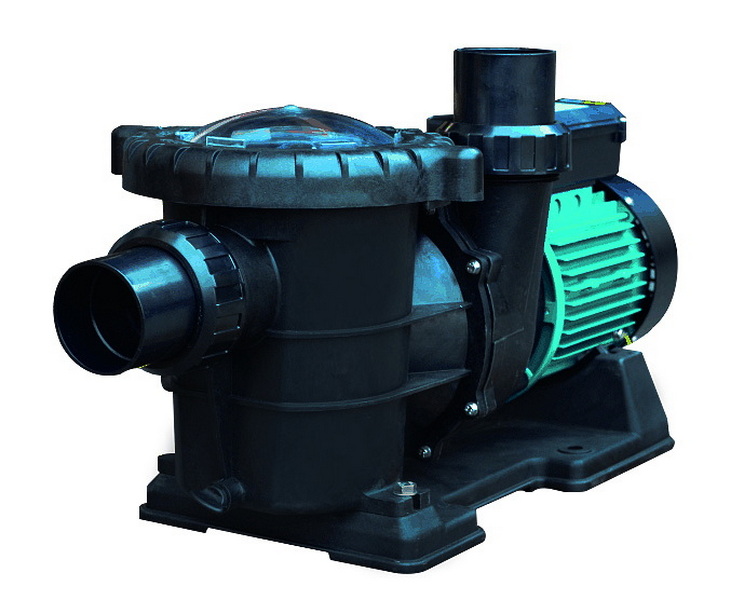
Water stagnation breeds cloudiness and algae, while inadequate circulation fails to properly disperse chemicals and skim debris. Running your pool pump at the right intervals ensures every drop is filtered, safer, and inviting for swimmers. A well-set schedule is also crucial for prolonging equipment life and reducing electricity and maintenance costs. Effective circulation keeps the ecosystem in balance.[8][10][11]
- Definition: A pool "turnover" is when the pump has circulated the entire pool's volume through the filtration system once. Most experts recommend at least one full turnover daily to ensure cleanliness.[10][11][12]
- Typical Daily Run: For most residential pools, this equates to 6-12 hours depending on equipment and pool size. Single-speed models often need 8 hours; variable speed models may run longer at low speeds.[11][13]
Several variables affect the required duration:
- Pool volume: Larger pools logically take longer for a full turnover.[12][10]
- Pump horsepower and flow rate: Higher flow means fewer hours.[12]
- Bather load and debris: Frequent use, surrounding trees, and pets increase filtration needs.[11]
- Water temperature and sunlight: Hot, sunny climates accelerate algae and evaporate chemicals, requiring longer circulation.[14]
- Summer: Pools are used most, temperatures are up, and algae thrives. Many pool owners increase run times to 10-12 hours daily for optimal clarity.[14][11]
- Winter/Fall: Colder weather and less activity generally allow scaled-back operation, often 4-8 hours daily, depending on local conditions.[14]
- Daytime Running: Beneficial during high use, and especially necessary for pools battling algae, since sunlight activates algae growth and chemicals break down quicker.[11]
- Night Operation: Often ideal for chemical applications such as shocking. Many utilities offer lower electricity rates during overnight off-peak hours—an excellent way to save money while ensuring effective mixing and circulation.[10][12][11]
Split run times (e.g., four hours in the morning, four at night) provide constant filtration, maximize efficiency, and enhance swimmer safety by quickly filtering contaminants introduced during use.[10]
1. Find Pool Volume: Measure pool width, length, and average depth in feet. Multiply to get cubic feet, then convert to gallons (1 cubic foot = 7.48 gallons).
2. Check Pump Flow Rate: This number is usually on the pump's nameplate or manual, shown as gallons per minute (GPM) or liters per minute (LPM).
3. Formula:

Example: 20,000 gallon pool, 5050 GPM pump → 20,000/(50×60)=6.6720,000/(50×60)=6.67 hours.[13][15]
- Run at full power whenever on.
- Energy Intensive: Tend to cost more to operate.
- Highly efficient: Lower speeds offer greater energy savings and quieter operation.
- Longer Run Times: May operate up to 12-24 hours at a very low RPM, potentially leading to even greater filtration with less overall energy used.[2][8]
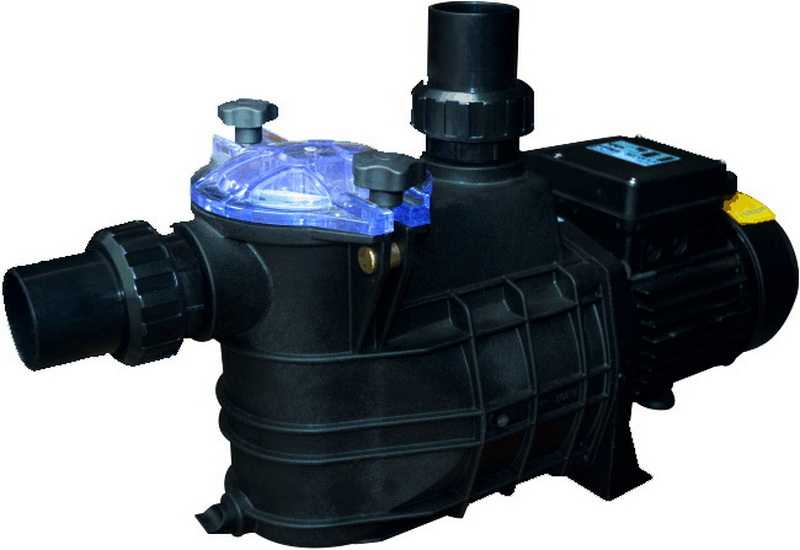
Most utility providers offer reduced electricity rates during overnight hours—timing your pump schedule for these windows can lead to significant cost savings.[16][11]
Modern pool pumps (and external timers) allow for fully programmable schedules, so you can operate your pump only when needed, often automatically adjusting for daylight changes or usage patterns.
Consider reducing hours if the pool is covered or not in use for days at a time (such as in cool weather), but always maintain at least a partial turnover for sanitation.
1. Ensure All Valves Are Open: Allow system water to return to the pool before startup.[5][6]
2. Prime the Pump: Remove pump lid, fill strainer pot with water, then replace the lid—never run a pump dry, as this risks permanent damage to seals and impellers.[6][5]
3. Air Relief: Open the filter's air relief valve before starting the pump. Close it when water flows steadily out, indicating air is purged and the circulation is correct.[5][6]
- For a hands-on video guide, see: ["Swimming Pool Pumps: How it works and how to re start/prime it!"].[3]
- Pump Basket: Remove and clean at least weekly to prevent debris from clogging the impeller and restricting flow.[7]
- Strainer O-Ring: Inspect and lubricate every time it is opened to maintain a tight seal and prevent air intrusion.[6]
- Impeller Cleaning: If flow drops or the pump makes noise, inspect for and gently remove stuck debris from the impeller.[7]
- Low flow may be caused by clogged baskets, blocked or undersized piping, or air leaks in the suction line.[6]
- Persistent air bubbles can indicate a loose cover, worn O-ring, or air leak in the plumbing, all easily corrected by tightening and inspecting connections.[6]
- Noisy pumps may also indicate air leaks, improperly sized pipe, or a low water level in your pool.
- Reference exploded diagrams and real-life repair photos at [pool maintenance image galleries].[17][18][19]
- "POOL PUMPS 101: How They Work and Troubleshooting Tips" and related videos are excellent resources for visual learners.[20][21]
- Install a Ground Fault Circuit Interrupter (GFCI) on all pool pump circuits for protection against electrocution.[6]
- Never add undiluted chemicals at the pump intake. Doing so can cause seal and housing damage, and may void the warranty.[6]
- Upgrade to a variable-speed pump for substantial energy use and noise reductions, as well as compliance with new energy efficiency laws in many regions.[2][8]
- Pump Will Not Prime: Ensure adequate water in the strainer pot, remove air from the system, and verify circulation valves are open.[5][6]
- Low Suction: Clean both the pump basket and skimmer baskets, check the impeller, and look for potential piping blockages or leaks.
- Pump is Noisy or Shuts Down: May be due to overheating (often from low water flow), air leaks, or worn bearings—inspect venting, baskets, and O-rings.[6]
- Don't Run the Pump Dry: Always prime before startup to avoid immediate pump and seal damage.
- Don't Ignore Regular Cleaning: Debris clogs reduce flow, put stress on the pump, and may increase energy use.
- Don't Set and Forget: Adjust schedules for season, pool usage, and observed water quality.
Running your pool pump effectively is fundamental to crystal-clear, safe, and enjoyable pool water. Understanding your pool's volume, pump type, seasonal influences, and the balance between cost and performance guides ideal operation schedules. Combining automated timers, off-peak energy use, routine basket and impeller cleaning, and ongoing troubleshooting with visual and video support ensures extended pump life, savings on bills, and less effort throughout the swim season. For optimal peace of mind, follow these expert recommendations, reference reliable visual and video guides, and adjust as your specific needs dictate.[1][8][13][7][12][10][11][14]
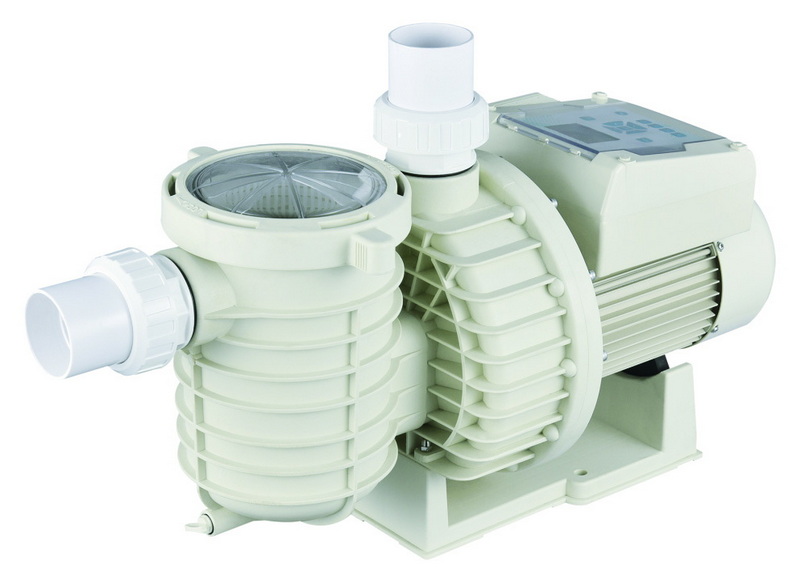
Divide your pool's volume by your pump's flow rate (in gallons per minute), then divide by 60 to get the recommended daily hours for one complete turnover.[15][13]
Yes, energy costs are typically lower overnight. Running the pump during off-peak hours minimizes electricity bills while still ensuring good filtration and sanitation.[16][11]
If possible, run the pump longer—10-12 hours per day—when temperatures and usage are highest. However, running 24/7 is not required for most residential pools.[11][14]
Yes. Inadequate runtimes result in poor water circulation, cloudy water, algae growth, and ineffective chemical distribution.
Shut off the pump, inspect and clean the basket and impeller, check for air leaks, and ensure all valves are fully open. Refer to professional resources or manuals for further troubleshooting steps.[7][6]
[1](https://poolicons.com/pool-maintenance/complete-beginners-guide-to-pool-pump-operation/)
[2](https://www.swimuniversity.com/variable-speed-pool-pumps/)
[3](https://www.youtube.com/watch?v=SPOzgmXgTlk)
[4](https://www.capitolpool.com/service/operating-instructions)
[5](https://www.insnrg.com/wp-content/uploads/2024/08/IO-MANUAL-Qi-Variable-Speed-Pump.pdf)
[6](https://images.thdstatic.com/catalog/pdfImages/00/0041a500-400c-4a0f-aa1b-19977d904111.pdf)
[7](https://poolpartstogo.com/blogs/articles/installation-and-maintenance-tips-for-pool-pump)
[8](https://bpspools.com/complete-pool-pump-guide/)
[9](https://ke.usembassy.gov/wp-content/uploads/sites/5/2024/07/Swimming-Pool-Operations-and-Maintenance-Guide-Attachment-2.pdf)
[10](https://www.swimmingpool.com/maintenance/pump&filter/how-long-to-run-pool-pump/)
[11](https://lesliespool.com/blog/whats-the-best-time-to-run-your-pool-pump.html)
[12](https://www.swimuniversity.com/run-pool-pump/)
[13](https://mrpoolman.com.au/blogs/news/how-long-should-i-run-my-pool-pump-every-day)
[14](https://www.aquagem.com/news/when-to-run-the-pool-pump-in-summer)
[15](https://www.riverpoolsandspas.com/blog/how-long-to-run-pool-pump)
[16](https://www.aaronpoolsandspas.com/pool-pumps-the-best-time-to-run-your-pump/)
[17](https://www.istockphoto.com/photos/pool-pump-repair)
[18](https://www.dreamstime.com/photos-images/pool-pump-maintenance.html)
[19](https://www.gettyimages.com/photos/pool-pump-repair)
[20](https://www.youtube.com/watch?v=Ayk3co2KetE)
[21](https://www.youtube.com/watch?v=l7unJ0hp2ck)


