
Views: 222 Author: Tina Publish Time: 2025-09-16 Origin: Site


Content Menu
● Understanding Pool Ladder Materials and Rust Formation
● Step-By-Step Rust Removal Guide
>> 1. Pre-Cleaning Safety and Preparation
>> 3. Baking Soda Paste for Initial Rust Removal
>> 4. Vinegar and Acid Methods for Tough Rust
>> 5. Using Commercial Rust Removers
>> 6. Alternative Natural Techniques
>> 7. Specialized Care for Aluminum and Plastic Ladders
● Weekly Maintenance Routine for Rust Prevention
● Structural Integrity and Inspection
● Long-Term Storage and Off-Season Care
● Choosing Quality Pool Ladders and Installation Tips
● Troubleshooting Common Ladder Problems
● Pool Water Chemistry and Its Role in Preventing Rust
● Frequently Asked Questions (FAQ)
>> 1. Is it safe to use vinegar and baking soda together on a pool ladder?
>> 2. How often should pool ladders be inspected for rust or damage?
>> 3. Can I use commercial rust cleaners directly on aluminum or plastic ladders?
>> 4. What causes persistent rust even after repeated cleaning?
>> 5. Are there eco-friendly ways to prevent rust on pool ladders?
>> 6. How should pool ladders be stored during winter?
Swimming pool ladders are essential for accessibility and safety, but they face continuous exposure to water, chemicals, and air, making them susceptible to rust and corrosion. Rust not only detracts from the visual appeal of the pool area but can also undermine the ladder's structural integrity, posing safety risks. This guide provides a detailed, step-by-step approach to removing rust from swimming pool ladders, covering material-specific maintenance, preventative strategies, and troubleshooting. With expert advice, images, and recommended videos, both pool owners and facility managers can ensure their equipment remains safe, attractive, and durable season after season.[2][5][8][9]
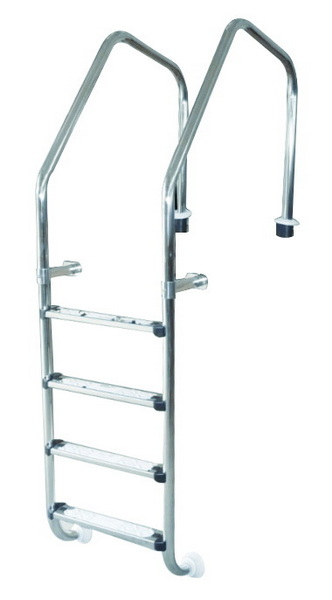
Swimming pool ladders are most commonly manufactured from stainless steel, aluminum, and sometimes reinforced plastic. While stainless steel and aluminum are formidable against rust, they are not immune. Corrosive agents like chlorine, salt, and unbalanced water chemistry can degrade protective coatings and introduce oxidation. Rust forms when the metal reacts with oxygen and moisture, particularly at welds, joints, and surface scratches. Even high-grade materials like 316 marine stainless steel need routine inspection and maintenance to stave off corrosion.[5][9]
- Power down pool filtration systems and secure the area.[9]
- Remove the ladder from the pool, if possible, to facilitate complete cleaning and protect the water.[8][2]
- Wear protective gloves and eye protection, especially when using acidic or chemical cleaners.[8][9]
- Rinse the ladder thoroughly with a garden hose to remove loose debris and contaminants.[2][9]
- Prepare a mixture of warm water and mild dish soap. Use a soft cloth or a non-abrasive cleaning sponge to scrub away oils, grime, and algae.[6]
- Pay special attention to joints, rungs, and mounting hardware, where debris and rust most frequently accumulate.[7][2]
- Combine baking soda and water to form a thick paste.
- Apply this paste generously over rust patches and let it sit for 20–30 minutes.
- Use a soft-bristle brush or non-abrasive pad to gently scrub, moving in circular motions.
- Rinse with clean water and repeat as necessary until rust begins to disappear.[9][8]
- Soak a clean cloth in white vinegar or a diluted muriatic acid solution.
- Drape the cloth over stubborn rust spots and allow it to sit for up to 30 minutes (always follow chemical safety procedures).
- Scrub lightly with a brush, then rinse thoroughly with water to remove all acid residues.[8][9]
- For severe or persistent rust, choose a rust remover designed for pool-grade stainless steel.
- Carefully follow product instructions, and avoid contact with pool water unless approved for aquatic environments.
- After rust removal, polish ladders with a stainless steel cleaner or metal protective coating to restore shine and provide a barrier against future corrosion.[7][9][8]
- Apply lemon juice and salt directly onto rust areas; allow the mixture to react for several hours before scrubbing.
- Cut a potato, dip it in dish soap, and rub on rusty spots—the oxalic acid in potatoes can help dissolve rust.
- Use a ball of aluminum foil dipped in water to gently rub away small rust patches without scratching the surface.[6][9]
- Use only non-abrasive cleaners that won't erode protective coatings or weaken the structure.[5][2]
- Avoid bleach or strong acids, which degrade both aluminum and plastic, causing brittleness.
- Regularly rinse these ladders with clean water to remove accumulated chemicals and salts.
- Inspect ladders every week, especially during high-use seasons, for signs of rust, pitting, or loose hardware.[2][7]
- Clean with non-abrasive products, and rinse after each use to prevent mineral and chemical buildup.
- Dry the ladder thoroughly to reduce surface moisture and oxidation risk.[7]
- Touch-up any surface scratches with a stainless steel polish or anti-corrosive spray.
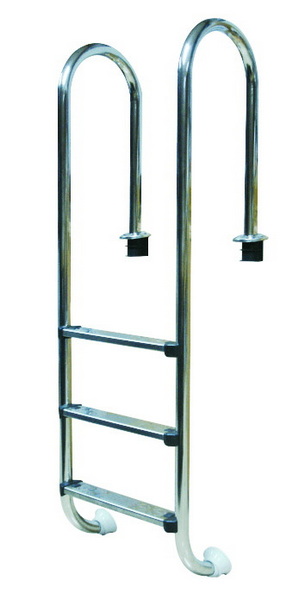
- Regularly check all bolts, screws, and welds for tightness, corrosion, or cracks.[5]
- Wiggle the ladder gently to test for movement. Ensure it's firmly anchored to the deck and pool wall.
- Inspect for visible rust or corrosion beneath joints, welds, and mounting points.
- Lubricate moving parts (e.g., hinges or adjustable joints) with silicone-based lubricants to avoid squeaking and to maintain smooth operation.
- In regions with off-season pool use, remove and store ladders in a dry, sheltered location.
- Clean and dry the ladder before storage, applying a thin layer of protective metal polish.
- Prevent ladders and rails from contact with freezing temperatures, snow, and ice, which can exacerbate rust and material fatigue.[5]
- Opt for high-grade stainless steel (316 marine) for saltwater environments, or corrosion-resistant alloys for freshwater pools.[8]
- Ensure that ladders are designed with proper water drainage and removable steps for easier cleaning.
- During installation, tightly secure all hardware and periodically recheck for stability and corrosion, especially after severe weather or heavy usage.
- Loose Rails or Ladders: Tighten all bolts and fittings with appropriate tools; avoid overtightening to prevent metal fatigue.
- Recurring Rust: If rust returns persistently, inspect for damage in protective coatings or signs of galvanic corrosion; repeat cleaning or consider professional restoration.
- Cracked Steps or Welds: If discovered, replace the damaged component or ladder for safety.
- Plastic Ladder Stains: Treat algae and dirt with mild detergent and systematic scrubbing.[6]
- Regularly test and balance pool water's pH, chlorine, and salt levels.
- Excessively low or high pH accelerates metal corrosion and voids manufacturer warranties.[8]
- A balanced pool maintains both ladder shine and structural safety while reducing chemical wear.
Effectively removing rust from swimming pool ladders demands an informed, systematic approach—beginning with gentle abrasives and natural cleaning agents, progressing to commercial rust removers for severe stains, and continuing with consistent preventative maintenance. By following proven techniques, diligently monitoring water chemistry, and regularly inspecting for corrosion or damage, pool owners can assure both safety and style in their aquatic spaces. Routine care not only extends the life of ladders but also helps maintain a welcoming, hygienic pool environment for years to come. Always prioritize manufacturer guidelines, avoid harsh chemicals, and store ladders securely during the off-season to maximize durability and minimize maintenance costs.[9][2][5][8]
Yes, combining vinegar and baking soda can create an effective foaming cleaner for small rust patches. Always rinse thoroughly afterward to avoid residue accumulation.[9][8]
Inspect your pool ladder for rust, corrosion, and instability at least once every two weeks during swimming season, and monthly during off-season periods.[2][7]
No, commercial rust cleaners are formulated for metal. For aluminum or plastic ladders, use non-abrasive detergents and avoid harsh acids or bleach which can damage these materials.[5]
Persistent rust may indicate micro-cracks, loss of protective coatings, or imbalanced pool water chemistry. Inspect, clean, and polish, and if issues persist, consult a pool professional for repair or replacement.[5][8]
Yes, maintaining balanced pool chemistry, using natural cleaning agents, drying ladders after use, and applying plant-based protective sprays can all help prevent rust and are environmentally safe.[9][5]
Clean, dry, and apply a protective polish. Store ladders indoors or in a sheltered location to prevent freezing and moisture damage. Cover with a breathable cloth to avoid condensation buildup.[5]
[1](https://newcastleswimmingpools.com/swimming-pool-ladder-maintenance-tips/)
[2](https://georgiapoolcleaning.com/how-to-clean-and-maintain-pool-ladders-and-rails/)
[3](https://www.instagram.com/p/DOa0UZak0pG/)
[4](https://www.instagram.com/p/DOhfz54k8XC/)
[5](https://www.mavaquadoc.com/blogs/pool-maintenance-blog/how-to-maintain-your-pool-ladders-and-handrails-for-longevity)
[6](https://www.swimmingpool.com.sg/articles/tips-for-cleaning-pool-steps-and-ladders.html)
[7](https://www.srsmith.com/en-us/customer-service/care-maintenance/)
[8](https://www.poolkingfilter.com/how-to-remove-rust-from-stainless-steel-pool-ladder.html)
[9](https://www.poolkingfilter.com/how-to-clean-rust-off-pool-ladder.html)
[10](https://www.youtube.com/watch?v=W3HkAdWW7Oc)
[11](https://www.youtube.com/watch?v=Np3tLAmlKw0)
[12](https://www.youtube.com/watch?v=qj08TdFHwuk)
[13](https://www.youtube.com/shorts/m0ZtM3ilXYw)


