
Views: 222 Author: Tina Publish Time: 2025-09-12 Origin: Site


Content Menu
● Importance of Pool Ladder Removal
● Tools and Materials Checklist
● Preparing for Ladder Removal
>> Safety First
>> Inspect the Ladder Condition
● Step-by-Step Ladder Removal Process
>> Step 1: Loosen All Fasteners
>> Step 2: Detach Safety Barriers or Gates
>> Step 3: Remove the Ladder Rails from Mounting Brackets
>> Step 4: Slide and Tilt Ladder Away from Pool Wall
>> Step 5: Move Ladder to Storage or Cleaning Area
>> Step 6: Inspect and Maintain Mounting Brackets
● Tips for Cold Weather and Frozen Parts
● Ladder Cleaning, Lubrication, and Storage
● Pool Safety After Ladder Removal
● Replacement and Maintenance Recommendations
>> 1. Can I remove an above ground pool ladder by myself?
>> 2. What if ladder mounting brackets are stuck or broken?
>> 3. How often should I remove my ladder?
>> 4. Is it safe to leave a pool without a ladder?
>> 5. How should I store my ladder for longevity?
Removing an above ground pool ladder is a crucial maintenance task for pool owners, especially when preparing for the off-season or performing repairs. While it may seem straightforward, safely and efficiently removing the ladder involves careful preparation, the right tools, and methodical steps to prevent damage to the pool system or injury. This guide offers a comprehensive walkthrough, complete with practical tips, visual aids, and explanations to make ladder removal easier and safer. Whether you are a DIY enthusiast or a first-time pool owner, these instructions will help you navigate the process with confidence.
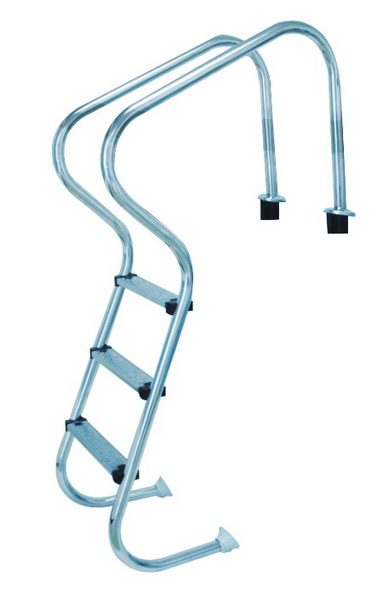
Above ground pool ladders are designed for permanent or seasonal attachment to pool walls or decks, providing safe access for swimmers. However, removal is sometimes necessary for various reasons:
- Winter Storage: Protect your ladder from freezing temperatures, snowload, and corrosion by removing it during the winter months.
- Maintenance and Repairs: Detaching the ladder allows better access to pool walls, liners, and filtration systems for thorough cleaning, patching, or mechanical fixes.
- Safety: If wear, damage, or instability is observed in the ladder structure, immediate removal prevents accidents until replacement.
- Deck Renovation: Resurfacing or upgrading pool surrounds often requires temporary ladder removal to access mounting points or avoid damage.
- Replacement: Upgrading to a newer ladder with modern features or different sizing to match pool upgrades.
Approaching ladder removal with care ensures longevity, safety, and continued pool enjoyment.
Before starting, gather the necessary tools:
- Phillips and flathead screwdrivers
- Adjustable wrench or socket set
- Hammer or rubber mallet
- Pry bar for stubborn mounts
- Tape measure
- Marker or pencil for notes
- Cleaning brush
- Lubricant spray (WD-40 or similar) to ease stuck bolts
- Safety gloves for hand protection
Having all tools ready reduces interruptions and improves safety during the removal process.
Clear the area of toys, furniture, and pool accessories. Turn off pool pumps and filtration systems to avoid electrical hazards.
Check all parts of the ladder—the bolts, hinges, clamps, steps, rails, and mounting hardware—to assess if any are corroded or damaged. This inspection helps you anticipate difficulties and plan for replacements if needed.
Drain the pool water at least 12 inches (around 30 cm) below the ladder attachment points. This prevents excess weight on the ladder and exposes the mounting hardware for easier handling.
Use a screwdriver and adjustable wrench to carefully loosen all screws, nuts, bolts, and clamps securing the ladder rails to the pool wall, deck, or ladder anchors. Spray lubricant on any stuck or rusty parts and wait a few minutes before attempting to turn them.
If bolts are rusted solid, apply penetrating oil first and reattempt after some time, using gentle hammer taps to loosen.
If your ladder design includes safety gates or flip-up handrails, disengage these components to allow full access to mounting points without obstructions.
Once fasteners are loose, try sliding the ladder rails upward out of the mounting cups or brackets. Sometimes lifting the rails frees the ladder, but minor prying may be required if the parts are tight. Use a plastic or rubber mallet to tap gently if necessary.
Once removed from brackets, gently tilt the ladder base away from the pool wall to fully disengage it. Lift the ladder out carefully, avoiding any snagging on pool liner edges.
Carry the ladder to flat ground for cleaning, drying, lubrication, and safe storage away from the elements.
After ladder removal, check the mounting brackets on the pool wall for any damage or rough edges. Smooth any scratches with sandpaper and fill holes or cracks with appropriate pool patch kits to maintain safety.
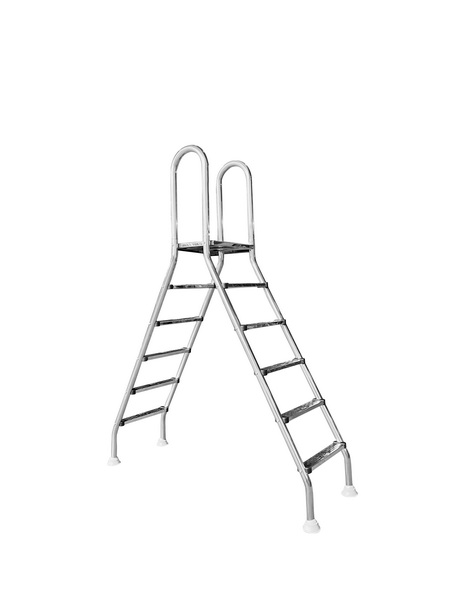
In cold climates, ladder mounting points and bolts can freeze or become brittle. Before attempting removal:
- Apply warm compresses or hot towels to mounting areas to thaw frozen parts.
- Lubricate all metal parts with penetrating oil to prevent cracking.
- Use a rubber mallet to tap loose frozen rails gently.
- Clear snow or ice from ladders and surrounding areas to ensure stable footing during removal.
Proper care after removal prolongs ladder life:
- Wash ladder with gentle soap and water to remove dirt, algae, and deposits.
- Dry thoroughly to prevent rust and corrosion.
- Lubricate hinges, bolts, and moving parts with a spray lubricant.
- Store the ladder indoors or under a protective cover in a shaded, dry location to prevent UV damage.
- Never leave the pool accessible without adequate safety fencing and locked gates.
- Use stabilizer braces or temporary supports on pool walls if the ladder will remain off for extended periods.
- Do not allow swimmers, especially children, to enter or exit the pool without a sturdy ladder in place.
Safety should always be the highest priority when the ladder is removed.
- Check manufacturer specifications for proper replacement ladder size and model.
- Schedule regular inspections, especially after heavy use or bad weather.
- Replace rusty or cracked ladder components immediately.
- Keep mounting hardware lubricated and clean to ease future removal and installation.
Removing your above ground pool ladder is a simple yet essential task when done correctly. It helps prolong ladder life, ensures pool safety during off-seasons, and allows maintenance or upgrades to pool structures. By preparing adequately, following stepwise instructions, using the right tools, and taking care with cleaning and storage, you can accomplish ladder removal safely and efficiently. Remember to always prioritize safety measures to protect your loved ones and pool surroundings. With these comprehensive guidelines, pool owners are equipped to manage ladder removal confidently and extend the enjoyment of their backyard oasis year after year.

Yes, with the proper tools and enough caution, most homeowners can safely remove an above ground pool ladder. However, if you encounter damaged mounts or heavy ladders, consider professional help.
Apply penetrating oil and warm compresses. Use a pry bar gently if needed, but avoid excessive force. Severely damaged brackets may require replacement or professional removal.
Annually, before winter storage, is recommended. Remove more often if repairs are necessary or if you detect signs of wear or damage.
No. Secure fencing with locked gates should always be in place. Avoid pool access when ladders are removed to prevent falls or accidents.
Clean, dry, lubricate moving parts, and store indoors or under a protective cover away from moisture and sunlight.
[1](https://blog.watsons.com/blog/remove-above-ground-pool-ladder)
[2](https://www.hometowndemolitioncontractors.com/blog/step-by-step-guide-to-above-ground-pool-removal)
[3](https://stevesservicesllc.com/above-ground-swimming-pool-removal/)
[4](https://www.poolkingfilter.com/how-to-remove-a-pool-ladder.html)
[5](https://www.poolkingfilter.com/how-to-get-pool-ladder-out.html)
[6](https://www.youtube.com/watch?v=JDQvPV6Fz2o)


