
Views: 222 Author: Tina Publish Time: 2025-08-20 Origin: Site


Content Menu
● Why Pool Filter Cartridge Cleaning Is Essential
● How Often Should You Clean Pool Filter Cartridges?
● Understanding Your Pool Filter Cartridge
● Factors Influencing Cleaning Frequency
>> 4. Cartridge Size and Quality
>> 5. Season and Weather Events
● Step-by-Step Guide: Cleaning a Pool Filter Cartridge
>> 2. Open the Filter Housing & Remove Cartridge
>> 6. Inspect All Surfaces and O-rings
>> 7. Reassemble and Repressurize
● Enhancing Filter Longevity & Water Quality
● What to Avoid When Cleaning Filter Cartridges
● How to Recognize When a Cartridge Needs Replacing
● Advanced Maintenance: Tips for Commercial and High-Usage Pools
● Eco-Friendly & Safe Cleaning Practices
>> 1. Can I use household vinegar to clean my pool filter cartridge?
>> 2. How do I know it's time to clean the filter—besides the schedule?
>> 3. Why does my pool stay cloudy after I clean the filter?
>> 4. Can I use a pressure washer to speed up cleaning?
>> 5. What's the best way to extend cartridge life?
>> 6. How do I dispose of cleaning solutions and rinse water?
Keeping your swimming pool clean is not just about making the water look inviting—it's about ensuring the health and longevity of both your pool and the people who use it. At the core of every sparkling-clean pool is an efficient filtration system, and for most modern pools, this means a top-quality cartridge filter. One of the most common questions both new and experienced pool owners ask is: How often should you clean pool filter cartridges? This article delivers a comprehensive answer while providing easy-to-follow cleaning instructions, tips for extending filter life, maintenance schedules for every scenario, and visual aids to guide you through the process for truly professional results.[1][2][3][4]
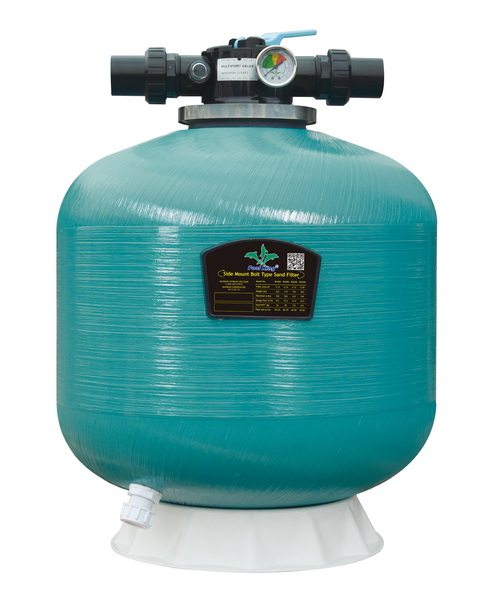
Pool filter cartridges are responsible for trapping and removing debris, dirt, oils, algae, pollen, and even tiny contaminants invisible to the naked eye. Without consistent cleaning:
- Water circulation becomes sluggish, inviting possible bacteria and algae growth.
- The pool pump works overtime, escalating energy costs and risk of mechanical failure.
- Small issues, like blocked filter pleats, can become big ones, such as green or cloudy water and equipment breakdown.
A well-cleaned cartridge safeguards your investment and delivers a better swimming experience for your family, guests, or clients.[3]
Most experts recommend cleaning your pool's filter cartridge every 4–6 weeks during the swimming season. Still, fixed schedules don't always fit every pool. Instead, consider these guidelines:
- Check the pool pressure gauge on your filtration system weekly. When the reading rises 8–10 PSI above its “clean” baseline, it's time to clean.
- Pools subjected to storms, construction dust, spring pollen, or heavy usage may need cleaning every 2–3 weeks.
- Under light use or when the pool is closed off-season, every 8–10 weeks—or after a major debris event—is usually sufficient.[2][5][6][7]
Filter cartridges are made of a pleated polyester fabric arranged to maximize surface area. When the system is running, water passes through these pleats, filtering out impurities without trapping excessive flow. Over time, solid debris and oily residues fill up the tiny spaces in the fabric. Clogged pleats are less effective, so cleaning prevents wear, restored flow, and improves water quality.
Most residential pools use one of three main filter types:
1. Sand Filters: Low maintenance but less effective for fine particles.
2. Diatomaceous Earth (D.E.) Filters: Very fine filtering power, but more maintenance-intensive.
3. Cartridge Filters: Balance finest filtration and ease of maintenance, especially appreciated in modern pools for their efficiency and quick cleaning process.[7]
- The more people swimming, the more contaminants, oils, and sunscreen are introduced.
- Parties, children, or pets swimming accelerate cartridge clogging.
- Pools near trees or plants collect more leaves, pollen, and debris.
- Construction sites, windy locations, or areas with heavy insect populations see faster filter build-up.
- Balanced water is easier on your filter. High calcium or excessive acidic/alkaline conditions can clog pleats with scale or biological material.
- Chemical imbalances promoting algae or bacteria growth also stress filters.
- Larger or premium cartridges hold more debris and may need less frequent cleaning.
- Lower quality or smaller cartridges, or those fitted to undersized pumps, require more attention.
- Heavy storms, strong winds, or dust storms can introduce large amounts of debris at once, demanding immediate cleaning.
Supplies Needed:
- Garden hose with spray nozzle (firm, but not high pressure)
- Large plastic bucket or cleaning container
- Pool filter cleaner or a safe vinegar solution
- Soft-bristle brush (non-abrasive)
- Silicone-based lubricant (for O-rings)
- Gloves, eye protection
Safety first: Shut down all power to the filtration system and bleed excess pressure from the system using the air relief valve.[4][8][3][7]
Release the locking mechanism or bolts. Lift the cartridge carefully; avoid damage to pleats or seals.
Rinse from top to bottom, fanning the pleats with a gentle water jet. Focus on all sides, removing leaves and large debris.[3][4][7]
Fill a large bucket with water and filter cleaning solution (or a 50/50 water–vinegar solution). Submerge the cartridge for 8 hours or overnight, especially when oils or fine dirt are present.
After soaking, gently brush the pleats to loosen stubborn dirt or oils. Rinse thoroughly to remove all residue.[4][7][3]
While the cartridge is drying, clean and lubricate O-rings or rubber gaskets within the filter housing.
Slide the cleaned cartridge back in, carefully reseal the housing, and open any air vents. Start the pump with air release open until water spurts out, then close the vent and check for leaks.
- Regular Pool Shock Treatments: Break down contaminants before they reach the filter.
- Maintain Water Chemistry: Proper pH, chlorine, and calcium levels support filter function and prevent scale/algae buildup.
- Brush Pool Walls Weekly: Reduce biofilm and particles taken up by the filter.
- Use Skimmer Baskets: Clean skimmer and pump baskets at least weekly to pre-filter large debris.
- Never use a high-pressure washer: This can tear pleats or break down the filter media.
- Skip harsh chemicals: Only use cleaners designed for pool filters; household bleach or degreasers can deteriorate filter fabric.
- Avoid metal brushes or abrasive pads: These destroy pleats, reducing filtration effectiveness.
Even with perfect cleaning, cartridges don't last forever. Replace if you see:
- Split seams, torn pleats, or crushed filter material
- The fabric looks “pulp-like” or fails to hold form
- Persistent high-pressure readings after cleaning
- Water clarity is poor even with chemical balance and proper cleaning
Most cartridges last 1–2 years in typical residential settings, or longer with meticulous care; commercial pools may see shorter lifespans<>.
- Rotate Cartridges: Keep a spare cleaned and dried, swapping out during each cleaning for continuous operation.
- Inspect Filters Weekly: Commercial pools accumulate dirt much faster; weekly checks prevent sudden failures.
- Plan More Frequent Cleanings: Every 1–2 weeks or even weekly during peak use or heavy debris influx.
- Reuse Cleaning Solutions: Many filter cleaning solutions can be reused multiple times before disposal.
- Dispose of Wastewater Responsibly: Avoid draining filter cleaning residue directly into storm drains or natural bodies of water; use sanitary sewer if possible.
- Choose Biodegradable Cleaners: Reduces impact on aquatic environments near your property.
Keeping your pool filter cartridge clean is vital for both water clarity and the health of your entire filtration system. Regular cleaning—monthly for most home pools, more often for hard-working or debris-prone pools—extends cartridge life, ensures sparkling water, and protects your equipment from costly breakdowns. Watch for rising filter pressure, maintain good water chemistry, and use safe cleaning methods to make every swim as refreshing as your first. And if your cartridge shows signs of wear or damage, timely replacement keeps your pool in top condition.
Yes, for light cleaning a 50/50 water and vinegar solution can help break down oils and minor scale. For deep cleans or severe dirt, use a designated cartridge cleaner.[7]
Check the pressure gauge. An 8–10 PSI rise from the baseline means it's time to clean, even if it's ahead of your usual routine.[6][2][7]
If water does not clear up, check for unbalanced pool chemistry or a cartridge that's due for replacement, as old, collapsed filters don't trap fine debris effectively.[3][7]
No. High-pressure streams can damage cartridge pleats and decrease filter lifespan—always use a garden hose with normal pressure.[7][3]
Maintain balanced water, handle the cartridge gently during cleaning, keep skimmer and pump baskets clear, and rotate cartridges if possible.
Use biodegradable filter cleaners and always dispose of wastewater through the sanitary sewer or as permitted by local regulations, avoiding storm drains.
[1](https://www.pioneerfamilypools.ca/advice/how-often-should-you-clean-your-pools-cartridge-filter/)
[2](https://mrpoolman.com.au/blogs/news/how-often-should-i-clean-my-pool-filter-cartridge)
[3](https://gibsanpools.com/our-blog/how-to-clean-a-pool-filter-cartridge-step-by-step-guide/)
[4](https://www.youtube.com/watch?v=B_HHnHpN9C0)
[5](https://opulentpools.com/clean-cartridge-filters/)
[6](https://intheswim.com/blog/pool-filter-cartridges-when-to-clean-and-when-to-replace.html)
[7](https://www.swimuniversity.com/clean-pool-filter/)
[8](https://www.youtube.com/watch?v=hIchNEEb3To)
[9](https://stock.adobe.com/search?k=pool+filter+cleaning)
[10](https://www.shutterstock.com/search/dirty-pool-filter)


