
Views: 222 Author: Tina Publish Time: 2025-11-25 Origin: Site


Content Menu
● Why Pool Filter Cleaning Matters
● How Often Should a Pool Filter Be Cleaned?
>> Sand Filters
>> DE Filters
● Signs Your Pool Filter Needs Cleaning
● Factors Affecting Cleaning Frequency
● Pool Filter Cleaning Process
>> Sand Filters
>> DE Filters
● Pool Filter Maintenance Tips
>> 1. How do I know if my pool filter needs cleaning?
>> 2. Can I clean my pool filter more often than recommended?
>> 3. What tools do I need to clean my pool filter?
>> 4. How often should I replace sand or DE grids in my filter?
>> 5. Can a robotic pool cleaner reduce filter maintenance?
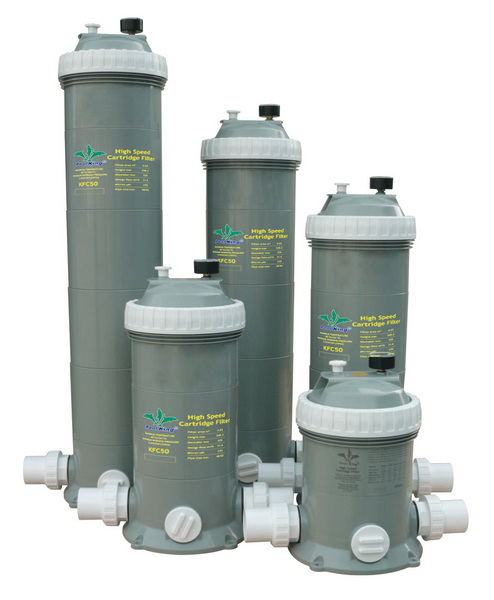
Pool filters should generally be cleaned every few weeks to months, depending on the type, usage, and environmental factors. Cartridge filters need cleaning every 2–6 weeks, sand filters every 1–2 months, and diatomaceous earth (DE) filters about monthly. More frequent cleaning is necessary if the pool sees heavy use, after storms, or when the filter pressure gauge rises by 8–10 psi above normal operating levels.[1][2][3][4]
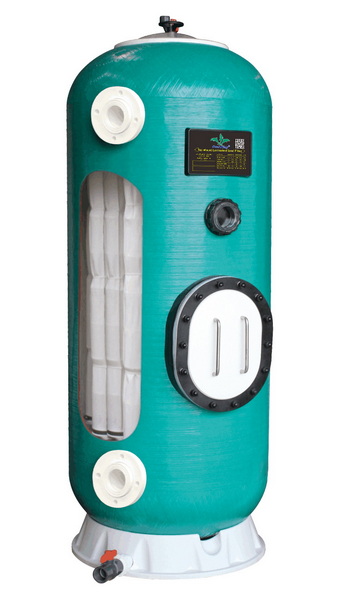
A clean pool filter ensures clear, hygienic water, preventing the growth of bacteria and algae. Filters trap leaves, debris, sunscreen residue, and other impurities. Dirty filters can reduce water flow, strain pumps, and cause cloudy or unhealthy pool conditions.[2][1]
- Clean every 2–6 weeks during swim season or when pressure rises by 8–10 psi.
- Clean more frequently after heavy use, storms, or algae blooms.[5][2]
- Backwash every 4–8 weeks, or when pressure rises 8–10 psi above normal.
- Replace sand every 3–5 years for optimal performance.[3][2]
- Backwash monthly and after pressure rises by 8–10 psi.
- Deep clean at least once or twice a year, replenishing DE powder after each backwash.[2][3]
| Filter Type | Routine Cleaning | Deep Cleaning | Replacement Interval |
|---|---|---|---|
| Cartridge | 2–6 weekspool.dreametech | 1–2 times/yearpool.dreametech | Every 2–3 yearspool.dreametech |
| Sand | 4–8 weekspool.dreametech | 1–2 times/yearpool.dreametech | Every 3–5 yearspoolbrostx |
| DE | 4–8 weekspool.dreametech | 1–2 times/yearpool.dreametech | Grids: Every 2–3 yearspool.dreametech |
- Cloudy or murky water in the pool.
- Reduced water flow or weak jets.
- Pressure gauge shows 8–10 psi above baseline.
- Visible debris or buildup in the filter.[1][2]
- Heavy pool usage.
- Surrounding vegetation, pollen, or dust.
- Weather events (rain, storms).
- Proper chemical balance.
Frequent inspection and adjustment help maintain optimal filtration. Always consult the manufacturer's guidelines.
1. Turn off pump and release system pressure.
2. Remove cartridge from housing.
3. Rinse with garden hose to remove debris.
4. Soak in filter cleaner or mild acid solution for deep cleaning.
5. Rinse thoroughly and let dry.
6. Reinstall filter.
1. Turn pump off.
2. Set valve to “Backwash.”
3. Run pump until water runs clear (2–3 minutes).
4. Set valve to rinse for 30 seconds, return to “Filter” mode.
5. Periodically replace sand as per manufacturer instructions.
1. Turn off pump and valve to “Backwash.”
2. Backwash until discharge water is clear.
3. Add fresh DE powder after each backwash.
4. Annually, disassemble and thoroughly clean DE grids.
- Monitor pressure gauge weekly.
- Rinse off filters after heavy use or storms.
- Deep clean filters at least once or twice yearly.
- Keep spare filters on hand for quick replacement.
- Use a robotic cleaner to relieve filter load.[2]
Cleaning your pool filter is essential for clear, safe water and system longevity. Cartridge filters should be rinsed every 2–6 weeks, sand filters backwashed every 1–2 months, and DE filters maintained monthly. Adjust frequency based on pressure readings, pool use, and environment. Deep clean and replace filter media as recommended to prevent costly repairs.[4][1][3][2]
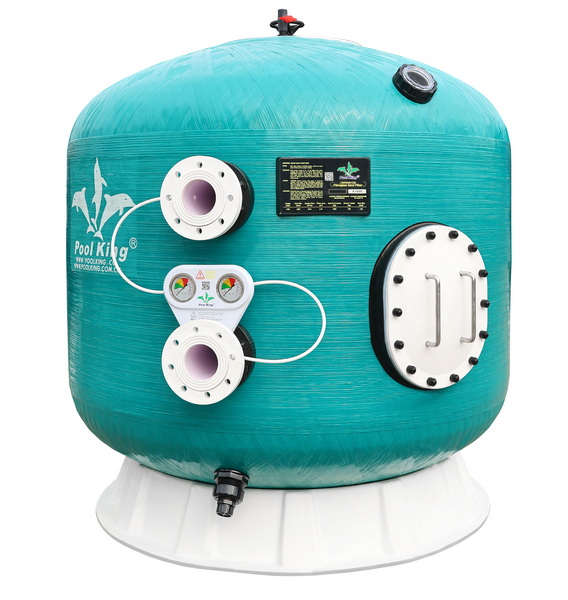
If the pressure gauge rises more than 8–10 psi, water appears cloudy, or jets weaken, it's time to clean the filter.[3][2]
Yes, especially after heavy pool use, storms, or visible debris accumulation. More frequent cleaning helps keep water clear.[5]
Basic tools include a garden hose, filter cleaner/solution, and for deep cleaning – mild acid solution or specialized cartridge grid cleaners.[17]
Sand should be changed every 3–5 years. DE grids last 2–3 years depending on usage and maintenance.[3][2]
Yes, robotic pool cleaners help remove debris, reducing the filter's workload. They help maintain cleaner water and optimize filter lifespan.[2]
[1](https://www.millenniumpool.com/blog/how-often-you-should-clean-your-pool-filter/)
[2](https://pool.dreametech.com/blogs/blog/how-often-to-clean-pool-filter-complete-guide)
[3](https://poolbrostx.com/pool-tips/how-often-should-pool-filters-be-cleaned/)
[4](https://www.vevor.com/diy-ideas/how-to-clean-pool-filter-h_10134/)
[5](https://mrpoolman.com.au/blogs/news/how-often-should-i-clean-my-pool-filter-cartridge)
[6](https://stock.adobe.com/search?k=pool+filter+cleaning)
[7](https://www.shutterstock.com/search/pool-filter-cleaning)
[8](https://www.istockphoto.com/photos/pool-filter-cleaning)
[9](https://www.facebook.com/groups/544451307138569/posts/1355181172732241/)
[10](https://www.dreamstime.com/photos-images/pool-filter-cleaning.html)
[11](https://www.youtube.com/watch?v=qYJqKmNm_Wg)
[12](https://www.youtube.com/watch?v=uxwmvUt6x1o)
[13](https://www.youtube.com/watch?v=ndVKefUcoKk)
[14](https://www.youtube.com/watch?v=BHIZYr5TCnc)
[15](https://www.youtube.com/watch?v=G5le8TN9Vwo)
[16](https://www.youtube.com/watch?v=ows6TfoYtzY)
[17](https://blog.watsons.com/blog/how-to-clean-above-ground-pool-filters)
[18](https://www.reddit.com/r/pools/comments/16xwrd4/how_often_should_the_pool_filter_be_cleaned_do/)
[19](https://watercraft.com.sg/how-to-clean-and-maintain-pool-filters-effectively-in-singapore/)
[20](https://www.instructables.com/How-to-Clean-a-Pool-Cartridge-Filter-System/)
[21](https://dolphinpacific.co.nz/pool-filter-cleaning/)
[22](https://www.youtube.com/watch?v=4ykLEwcbRnU)
[23](https://www.youtube.com/watch?v=Ij9aG42snyA)
[24](https://www.youtube.com/watch?v=aZCOtYYoUic)
[25](https://waterco.com.sg/news-events/blog/2022/how-often-should-clean-swimming-pool)
[26](https://pool.dreametech.com/blogs/blog/how-to-clean-a-pool-filter-a-comprehensive-guide)
[27](https://www.instagram.com/reel/DBlw6_fg0RG/)
[28](https://www.pentair.com/en-us/education-support/water-education-center/pool-and-spa-education/cleaning-and-maintaining-your-pool-filters.html)
[29](https://atexfun.com/poolifes-guide-to-cleaning-a-pool-filter/)
[30](https://www.youtube.com/watch?v=M9jmD7Jsv04)
[31](https://www.poolwerx.com.au/blog/diy-advice/how-to-maintain-a-pool-filter/)
[32](https://galaxyhomerecreation.com/article/video-cleaning-a-waterway-sand-filter/)
[33](https://www.shutterstock.com/search/dirty-pool-filter)
[34](https://www.youtube.com/watch?v=2wfjltY1Sd0)
[35](https://www.youtube.com/watch?v=-QQwtY_1Ylw)
[36](https://www.youtube.com/playlist?list=PLD13B4EF8AB358B02)
[37](https://www.gettyimages.com/photos/cleaning-pool-filter)


