
Views: 222 Author: Tina Publish Time: 2025-08-14 Origin: Site


Content Menu
● What Does a Pool Filter Pump Do?
● General Guidelines for Pool Filter Pump Runtime
>> Seasonal Recommendations for Pump Runtime
>> Factors Influencing Pump Runtime
● How to Calculate the Exact Runtime for Your Pool Filter
>> Step-by-Step Turnover Time Calculation
>> Adjustments for Conditions and Efficiency
● When Should You Run Your Pool Filter?
>> Best Times of Day to Run Your Filter Pump
● Energy Efficiency Tips for Pool Pump Operation
● Consequences of Insufficient Pump Runtime
● Recommended Pool Filter Maintenance Tips
● Frequently Asked Questions (FAQs)
>> 1. How many hours should I run my pool filter daily?
>> 2. What is water turnover time?
>> 3. Can I run my pool pump 24/7?
>> 4. Does pool size affect pump runtime?
>> 5. How can I reduce my pool pump's energy consumption?
Maintaining a clean and healthy swimming pool requires more than just adding chemicals and occasional skimming. At the heart of pool maintenance lies the pool filter pump, a vital component responsible for circulating, filtering, and balancing the water. One of the most frequently asked questions among pool owners is: how long should you run your pool filter each day?
This article explores this topic in detail to help you optimize pool filter running time, ensuring crystal-clear, safe water while minimizing energy costs and prolonging equipment life. You will learn how to calculate the ideal runtime, seasonal adjustments, energy-saving strategies, and maintenance tips supported by practical examples.
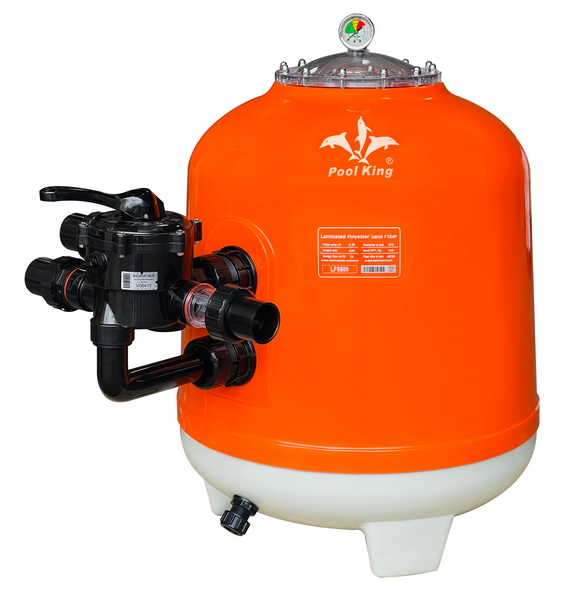
At its core, a pool filter pump circulates water through the filtration system to remove debris, dirt, algae, and other contaminants. It also helps evenly distribute chemicals such as chlorine or bromine throughout the pool to maintain water balance and hygiene.
Without adequate pump operation:
- Debris settles, clogging your pool and filters,
- Chemical distribution becomes uneven,
- Algae and bacteria proliferate,
- Water clarity quickly deteriorates,
- Pool surfaces might stain or become slippery.
Thus, running your pool filter pump for a suitable period daily is critical to maintaining a safe and enjoyable swimming environment.
Running time depends heavily on external factors like temperature, pool usage, and local climate.
| Season | Recommended Runtime per Day |
|---|---|
| Cold/Off-Season | Around 8 hours |
| Warm Season/Summer | 12 to 16 hours |
| Year-Round Base | Minimum 8 hours |
Cold/off-season: Cooler water temperatures reduce algae growth and swimmer contaminants, so shorter runtimes suffice to keep the pool clean and balanced.
Warm season/summer: Sunlight and warm water accelerate algae growth and chemical breakdowns. More swimmers often increase dirt and debris levels, so longer filter operation is vital.
- Water temperature: Higher temperatures degrade chlorine faster.
- Bather load: More swimmers mean more contaminants.
- Pool size: Bigger pools require longer filtration.
- Pool cover usage: Covers reduce debris and heat loss, potentially lowering runtime.
- Pump type: Modern variable-speed pumps provide efficient filtration at lower speeds and thus can run longer with less energy.
While general advice is helpful, the most precise way to determine pump runtime is by calculating your pool's water turnover time—the time it takes for the entire volume of water to flow through the filter system once.
1. Measure Your Pool Volume:
Most pools are measured in gallons (US) or liters. Common pools vary from 10,000 to 30,000 gallons.
2. Determine Your Pump's Flow Rate:
Pump flow is usually expressed in gallons per minute (GPM) or liters per minute (LPM). This specification is found on the pump label or in its manual.
3. Calculate Turnover Time:

4. Convert to Hours:
Divide the turnover time in minutes by 60 to get hours.
- Pool size = 18,000 gallons
- Pump flow = 30 GPM
Turnover time = 18,000 ÷ 30 = 600 minutes = 10 hours
This means running the pump for at least 10 hours daily will ensure the full pool water volume passes through the filter once, which is the minimum for effective cleaning.
- If the daily temperature is above 60°F, add 1 hour of runtime for every 10°F increase to combat faster algae growth.
- Pools with heavy bather loads might require an additional 1–2 hours.
- Variable-speed pumps might run continuously at lower speeds, offering the same or better filtration with lower power costs.
- Outdoor debris like leaves or dust may increase filter load, potentially requiring longer runtimes.
Knowing for how long to run your pool filter is important, but knowing when to run it also affects filtration effectiveness and energy costs.
- Midday Hours:
Running the pump during the warmest part of the day helps prevent algae because it circulates water when algae are most active.
- Split Routine:
Some pool owners split the runtime into two shifts—morning and evening—to balance filtration and reduce energy peaks.
- During and After Chemical Treatment:
Run the filter for several hours after adding pool chemicals to distribute them evenly.
- After Heavy Use or Storms:
Extra runtime helps return water clarity and eliminates debris or contaminants quickly.
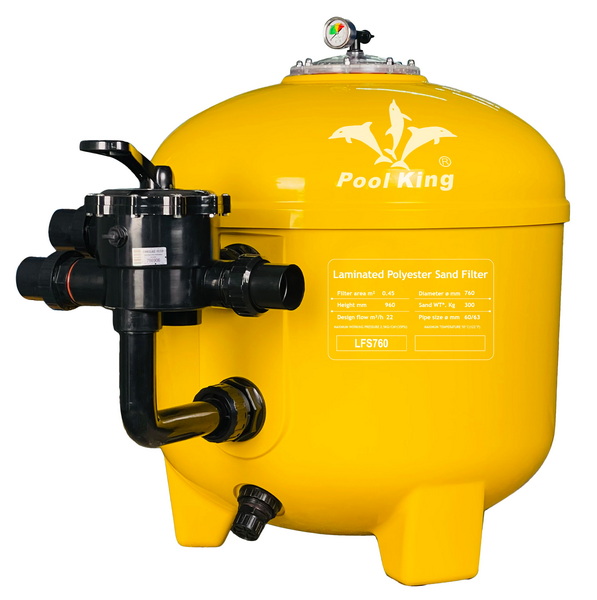
Running your pool filter pump efficiently saves energy and reduces electricity bills without sacrificing water quality.
These pumps allow speed adjustments matching pool needs. Slower speeds consume less electricity while still circulating water effectively over extended periods.
If your electricity provider offers time-of-use billing, schedule your pump to operate during cheaper off-peak hours.
Covers reduce debris inflow and heat loss, which allows shorter filtration periods while maintaining water temperature and clarity.
- Clean or backwash filters regularly.
- Check for leaks or blockages that reduce efficiency.
- Lubricate pump seals and inspect baskets for debris.
Well-maintained systems run more efficiently at less operational duration.
Not running your pool filter long enough can lead to several issues:
- Algae Growth: Water turns green and slimy.
- Uneven Chemical Levels: Risk of unsafe swimming or damage to pool surfaces.
- Stagnant Water: Breeding place for bacteria and mosquitoes.
- Filter Overload: Clogging reduces filtration capability.
- Cloudy or Dirty Water: Unpleasant and unhealthy swimming conditions.
On the other hand, running your pump excessively can waste energy, wear equipment prematurely, and increase operational costs. Finding the balance is key.
Proper maintenance complements correct runtime to maximize filter effectiveness:
- Backwash or Clean the Filter Regularly: Follow manufacturer recommendations frequency.
- Inspect and Clean Pump Baskets: Prevent clogs.
- Test Chemical Levels Frequently: Proper chemical balance reduces filtration workload.
- Inspect Pump and Filter System for Wear: Replace worn parts promptly.
- Use Pool Covers: Minimize debris and evaporation.
Keeping the system in top condition reduces runtime needs and improves water quality.
Running your pool filter pump for the correct amount of time each day is essential to maintaining clean, clear, and healthy pool water. While general guidelines recommend 8 hours a day in cooler months and up to 16 hours in warmer months, the most accurate method is to calculate the turnover time based on your pool's volume and pump flow rate.
Adjust runtime according to factors such as water temperature, pool usage, and energy-saving opportunities such as using variable-speed pumps and pool covers. Regular maintenance and proper scheduling will maximize filtration efficiency, reduce operating costs, and extend equipment life.
By following these principles, you can enjoy crystal-clear water, safe swimming conditions, and an energy-efficient pool filtration system all year round.
Typically, run it for at least the time needed for one full water turnover—usually 8 hours in cooler months and 12–16 hours in summer.
It's the time required for the pool's entire water volume to pass through the filter once, ensuring thorough cleaning.
While running 24/7 provides constant filtration, it usually leads to higher energy costs and unnecessary wear. Running 8-16 hours based on pool size and conditions is generally sufficient.
Yes. Larger pools require more time to filter all water effectively.
Use variable-speed pumps, run pumps during off-peak hours, cover your pool to reduce debris and heat loss, and adjust runtime based on actual needs.


