
Views: 222 Author: Tina Publish Time: 2025-11-30 Origin: Site


Content Menu
● Understanding inground pool filter types
● How long does an inground sand pool filter last?
● How long do inground cartridge pool filters last?
● How long do inground DE pool filters last?
● Key factors affecting how long an inground pool filter lasts
● Warning signs your inground pool filter needs replacement
● How to extend the life of an inground pool filter
● When to replace just media vs. the whole inground pool filter
● OEM inground pool filter solutions for brands and wholesalers
● FAQs about how long an inground pool filter lasts
>> 1. How long does an inground sand pool filter last?
>> 2. How often should I change the cartridge in my inground pool filter?
>> 3. What are the signs my inground pool filter is failing?
>> 4. Is it cheaper to replace just the filter media or the whole filter?
>> 5. How can I make my inground pool filter last longer?
>> 6. Do DE filters for inground pools last longer than sand and cartridge filters?
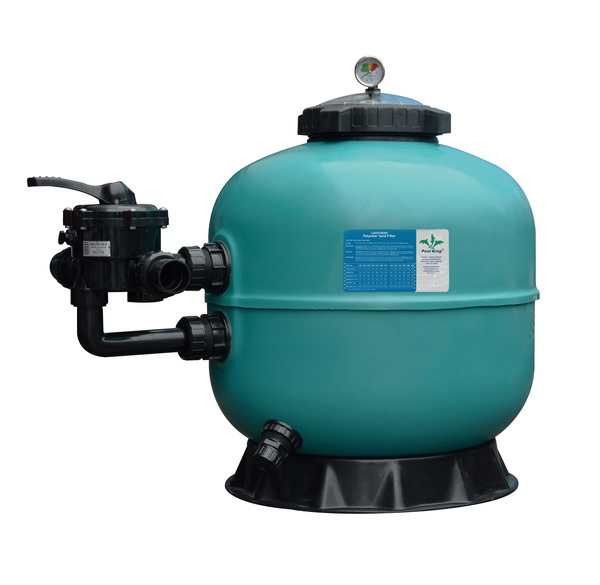
“How long does an inground pool filter last” depends mainly on the filter type (sand, cartridge, or DE), water chemistry, and how well the system is sized and maintained. For a typical residential inground pool, the filter tank can often last 10–20 years, while the filter media or element inside usually lasts only a few years before it needs replacement.[1][2][3]
- Typical lifespans for sand, cartridge, and DE inground pool filters
- How usage, water quality, and maintenance affect how long a pool filter lasts
- Key warning signs your inground pool filter is failing
- Practical tips to extend filter life and protect your pump
- OEM filter upgrade options if you're a brand, wholesaler, or manufacturer
For inground pools, three filter types dominate: sand filters, cartridge filters, and DE (diatomaceous earth) filters.[4][1]
- Sand filters push water through a bed of silica sand, glass, or alternative media that traps particles down to around 20–30 microns.[3][5]
- Cartridge filters use pleated polyester cartridges to capture finer debris and can filter to smaller microns than sand in many setups.[1][4]
- DE filters coat internal grids or fingers with diatomaceous earth powder, delivering extremely fine filtration and the clearest water, but at the cost of more maintenance.[2][4][1]
Because each design handles flow and debris differently, lifespan expectations are not the same, even in the same inground pool.
When pool owners ask “how long does an inground pool filter last,” they usually mean a sand filter, because it is the most common choice for inground pools. For sand filters, it is important to separate the life of the tank from the life of the sand (or glass) media.[3][4]
- Sand filter media life: Many industry guides and manufacturers suggest replacing the sand every 3–7 years, with about 5 years being a common average. Some sources mention sand lasting up to 7–10 years when water is well balanced and the system is not overloaded, but performance usually starts to drop before that.[6][7][5][8][9][3]
- Sand filter tank life: A quality sand filter tank often lasts around 10–20 years if it is sized correctly, installed properly, and not exposed to extreme pressure or freeze damage.[7][2][3]
Over time, the sharp edges of filter sand become rounded, so it cannot grab dirt effectively anymore, leading to cloudy water and longer pump run times. At that point, even if the tank is fine, the media needs to be changed.[10][3]
For inground cartridge filters, again distinguish between housing and cartridge element.
- Cartridge element life: Many pool specialists recommend changing standard pool cartridges about every 2–3 years or roughly 1,000–2,000 operating hours, assuming regular cleaning and normal bather load. Heavy use or dirty water can shorten this to 1–2 years.[5][11][6][1]
- Filter housing life: The tank or body of a cartridge filter is usually comparable to a sand tank, often 10–15+ years, if the pressure is monitored and the lid is not overtightened or abused.[2][1]
Fine pleats can clog faster than sand, so cartridge filters may need to be opened and hosed down several times per season to maintain good flow and operating pressure.[11][5]
DE filters often provide the best water clarity, but they are also the most maintenance-intensive.[4][1][2]
- DE grid or finger pack life: Internal grids can often last 7–10 years if they are backwashed and cleaned properly, but tears, cracks, or broken manifolds may appear sooner in high-use pools.[1][2][4]
- DE powder: The DE media itself is replaced whenever the filter is backwashed or broken down—this is consumable, not a long-life component.[2][4]
- Filter body life: The fiberglass or plastic tank can often last a decade or more, similar to sand and cartridge housings.[2]
If backwashing and re-charging with DE powder become more frequent and water still looks dull, it may be time to inspect grids, manifolds, and o-rings for damage.[12][13]
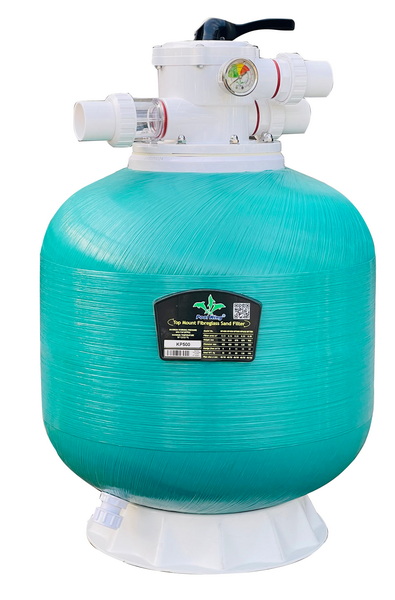
Even with typical ranges, the real answer to “how long does an inground pool filter last” depends on how the system is used day-to-day.
1. Pool size and flow rate
If a small filter is forced to handle a large inground pool with high bather load, it runs at higher pressure and wears out faster. Correctly matching filter size to pump flow and pool volume significantly extends life.[4]
2. Water chemistry balance
Chronic low pH, high chlorine, or dissolved metals can attack plastic parts, rubber seals, and metal fasteners, shortening filter life. Balanced chemistry reduces corrosion and scale buildup on filter surfaces and internal components.[13][14]
3. Debris load and environment
Pools near trees, dusty roadways, or construction sites push more debris through the filter, shortening media life and increasing maintenance. Skimmer baskets and pre-filters help protect the main filter from large debris.[14][12]
4. Maintenance habits
- Regular backwashing for sand and DE filters prevents excess pressure that stresses tanks and laterals.[8][5][4]
- Routine cartridge cleaning at recommended pressure-rise thresholds (often a 7–10 psi increase over clean pressure) keeps flow healthy and extends cartridge life.[5][11]
Neglecting these steps can significantly reduce lifespan for any inground pool filter type.
Instead of waiting for a fixed number of years, watch for these practical warning signs your inground pool filter or its media is near the end of life.
- Cloudy or hazy water: If water stays cloudy after correct chemical treatment and shocking, the filter media may no longer be trapping fine particles.[12][13][14]
- Reduced water flow and weak jets: A worn or clogged filter creates higher pressure, forcing the pump to work harder and reducing return flow.[13][12]
- More frequent backwashing or cleaning: If you find yourself backwashing much more often than before, or cleaning cartridges constantly, the media is likely deteriorating or undersized.[14][12][13]
- Visible damage: Cracks in the tank, broken laterals, torn cartridges, and ripped DE grids are clear signs replacement is needed for safety and performance.[12][13][14]
- Rising energy costs: A struggling filter can cause the pump to draw more power and run longer to achieve the same clarity, showing up as higher electric bills.[14][12]
Proper care can help any inground pool filter last closer to the top of its expected range.
1. Maintain correct pressure and cleaning intervals
Record the “clean” filter pressure when media is new or freshly cleaned, then clean or backwash once pressure rises roughly 7–10 psi above that baseline (follow the manufacturer's guidelines). This keeps internal stresses under control and prevents media compaction.[5][4]
2. Backwash correctly for sand and DE filters
Backwash long enough to flush debris but not so long that you waste water or disturb internal parts unnecessarily. After DE backwashing, always add the correct amount of fresh DE powder through the skimmer, as under-charging can damage grids and reduce filtration quality.[8][5][4][2]
3. Clean cartridges gently but thoroughly
Use a soft spray nozzle to rinse pleats from top to bottom, and occasionally soak cartridges in a cleaning solution formulated for pool filters to remove oils and scale. Avoid power washers, which can tear fabric and dramatically shorten life.[11][5]
4. Protect against freeze and sun exposure
In cold climates, winterize the filter by draining water, opening plugs, and protecting the tank from ice expansion. In hot, sunny climates, UV exposure can age plastic faster, so use equipment covers or shade where practical.[15][2]
5. Choose quality OEM or upgraded media
Higher-grade sand alternatives or premium cartridges can improve both performance and lifespan, especially for heavily used inground pools.[7][3][4]
Pool owners often ask whether they can simply replace the media or if the entire filter assembly needs upgrading.
- Replace media only when:
- The tank, valve, and fittings are intact and leak-free.
- The only issue is worn sand, exhausted cartridge fabric, or DE that needs regular replacement.[10][3][5]
- Replace the complete filter when:
- The tank is cracked, badly rusted, or distorted.
- Multiple internal parts (laterals, manifolds, grids) are failing at the same time.
- You have changed pool size, added water features, or upgraded the pump so the old filter is undersized.[13][12][14]
An equipment upgrade is a strategic moment for brands, wholesalers, and builders to switch to a more efficient OEM filter line that offers better energy savings and easier maintenance for end users.
If you are not only a pool owner but also a brand owner, wholesaler, or equipment manufacturer, the question “how long does an inground pool filter last” is tied directly to customer satisfaction and warranty performance.
- Longer-lasting tanks, laterals, cartridges, and seals mean fewer warranty claims for your brand.
- Smartly sized filters, matched with efficient pumps and LED pool lights, help dealers deliver complete, reliable equipment packages.
As a Chinese factory specializing in premium sand filters, DE filters, cartridge filters, pumps, LED pool lights, and accessories, using smart production machinery, it is possible to offer:
- Custom-branded filter tanks and multiport valves
- Tailor-made filtration media configurations for different markets (sand, glass media, alternative media)
- OEM packaging, documentation, and installation manuals tailored to local regulations and languages
This makes it easy for overseas partners to launch or upgrade their inground pool equipment lines with products that are designed for a long, reliable service life.
In real-world use, how long an inground pool filter lasts depends on filter type, media, pool size, and maintenance practices, not just the calendar. As a guide, sand media often lasts about 3–7 years, cartridge elements about 2–3 years, and DE grids around 7–10 years, while well-built filter tanks commonly survive a decade or more. Watching for cloudy water, weak return jets, frequent cleaning, and visible damage will help you decide when a simple media change is enough and when a full filter upgrade is the smarter, safer choice.[9][6][3][8][1][12][13][14][2]
For overseas brands, wholesalers, and manufacturers, partnering with a dedicated Chinese OEM producer of sand filters, DE filters, cartridge filters, pumps, and LED pool lights allows you to deliver long-lasting inground pool filtration systems that match your market's performance and price expectations.
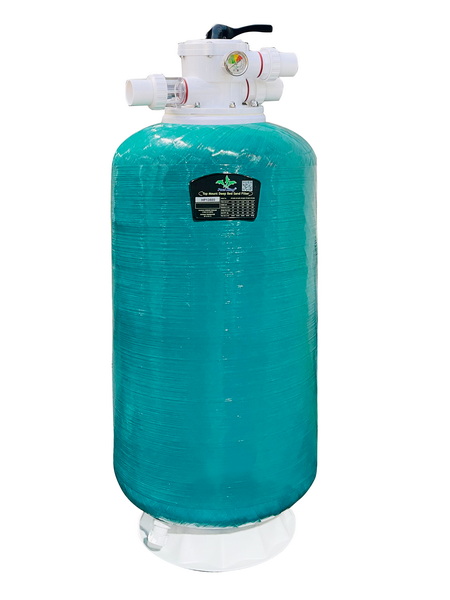
For an inground sand filter, the media typically lasts about 3–7 years, while the tank can often run 10–20 years depending on build quality, water chemistry, and operating pressure. Many homeowners notice better clarity after changing sand around the five-year mark, even if the old media technically still works.[6][9][3][8]
Most standard inground pool filter cartridges should be replaced every 2–3 years, or sooner in high-use pools, heavy debris environments, or if the cartridge fabric is torn or permanently stained and clogged. Cleaning the cartridge at the correct pressure-rise interval and avoiding harsh tools helps it reach the top end of that range.[6][11][1][5]
Common warning signs include cloudy water, weak return jets, more frequent backwashing or cartridge cleaning, visible cracks or tears, and rising energy bills as the pump struggles to maintain flow. If chemical balance is correct but clarity does not improve, the filter or media is usually the culprit.[12][13][14]
In many cases, replacing only the media (sand, cartridge, or DE powder plus grids if needed) is more economical than buying a complete filter, as long as the tank and valve are structurally sound and correctly sized for the pool. A full filter replacement makes sense when the tank is damaged, undersized, or when upgrading to a higher-efficiency system for long-term savings.[10][3][5]
Keep water chemistry balanced, clean or backwash at the recommended pressure-rise point, protect the filter from freezing, and ensure the pump and filter are properly sized for the pool volume. Using quality OEM media and components and following the manufacturer's maintenance schedule can significantly extend both media and tank lifespan.[15][8][5][4]
The DE tank and grid assembly can last as long as or longer than many sand and cartridge systems—often close to a decade—if the grids are not torn and the tank is not over-pressurized. However, DE filters demand more frequent maintenance and powder replacement, so they are best for owners who prioritize crystal-clear water and are willing to follow the maintenance steps carefully.[1][4][2]
[1](https://www.discountfilters.com/blog/what-is-the-life-expectancy-of-a-pool-filter)
[2](https://www.millenniumpool.com/blog/pool-filter-lifespan/)
[3](https://www.epoolsupply.com/blogs/default-blog/how-long-do-pool-filters-last)
[4](https://www.allfilters.com/blog/pool-filter-types-compared-sand-de-cartridge)
[5](https://www.1stopfilter.com/blogs/academy/unlocking-pool-perfection-the-lifespan-and-unique-traits-of-cartridge-sand-and-de-filters)
[6](https://www.1stdirectpools.com/blog/post/how-often-should-you-replace-swimming-pool-filter)
[7](https://hyclor.com.au/how-long-do-pool-filters-last/)
[8](https://filter.vn/technical-blog/how-often-should-you-change-your-pool-filter/)
[9](https://www.angi.com/articles/how-long-do-pool-filters-last.htm)
[10](https://waterco.com.sg/news-events/blog/2022/things-need-know-pool-sand-filters)
[11](https://shastapoolsupply.com/blogs/news/warning-signs-you-need-a-new-pool-filter-cartridge)
[12](https://www.thefibreglasspoolcompany.com.au/signs-that-you-need-to-replace-your-pool-filter/)
[13](https://chemsol.co.uk/journal/signs-your-pool-filter-needs-replacing-and-when-to-install-a-new-one)
[14](https://applepools.com.au/9-signs-your-pool-filter-needs-replacing/)
[15](https://www.millerpools.com/help-advice/5-signs-your-pool-pump-needs-repairing-or-replacing/)
[16](https://www.coastalpoolbuilders.net/how-long-do-pool-filters-last/)
[17](https://www.reddit.com/r/pools/comments/wymsml/some_advice_for_anyone_debating_between_a_sand/)
[18](https://www.zoteefilters.com/blogs/zotee-pro-1/how-often-should-you-replace-your-pool-filter-a-guide-by-filter-type)
[19](https://www.reddit.com/r/swimmingpools/comments/jkzlhj/how_often_to_change_filter_sand/)
[20](https://www.facebook.com/groups/1407260559603442/posts/3872893403040133/)


