
Views: 222 Author: Tina Publish Time: 2025-10-03 Origin: Site


Content Menu
● Tools and Materials You'll Need
● Step-by-Step Guide: Assembling a Pool Ladder
>> Step 1: Unpack and Inspect Parts
>> Step 2: Attach the Ladder Steps
>> Step 3: Add the Rubber Feet or Bumpers
>> Step 4: Install the Handrails
>> Step 5: Mounting the Ladder in Different Pool Types
>>> Above-Ground Pool Installation
>>> In-Ground Pool Installation
● Safety Tips When Using Pool Ladders
● Common Problems and Troubleshooting
● FAQs
>> 1. How do I know which pool ladder to buy?
>> 2. Can I install a pool ladder on my own?
>> 3. How often should I check my pool ladder?
>> 4. Do stainless steel ladders rust in saltwater pools?
>> 5. What's the safest ladder option for kids?
Installing a pool ladder may seem like a small project, but it requires careful assembly and secure installation to ensure safety and durability. Whether you own an above-ground pool or an in-ground pool, the correct setup of a pool ladder provides swimmers of all ages with a safe and comfortable entry point into the water. This guide will walk you through the complete process of putting a pool ladder together, show you different ladder types, and share maintenance tips to keep your ladder in top condition.
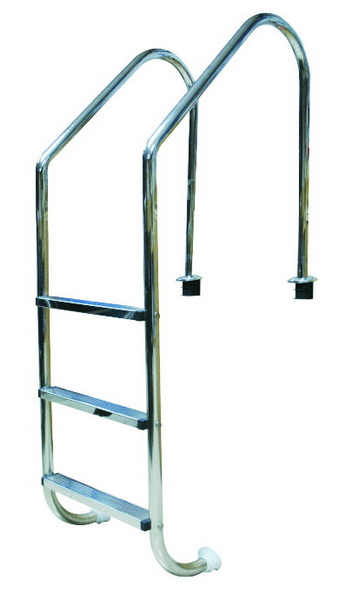
A pool ladder is more than just an accessory. It plays a key role in ensuring:
- Safety: Prevents slips and falls when entering or exiting the pool.
- Accessibility: Assists children, elderly swimmers, and beginners to get in and out safely.
- Convenience: Offers a structured and reliable method of climbing instead of relying on the pool edge.
- Durability: A properly installed ladder prevents damage to the pool liner and decking.
Before starting, prepare the necessary tools and components to make the assembly process smoother:
- Pool ladder kit (rails, steps, bolts, rubber bumpers, anchors)
- Adjustable wrench or socket set
- Screwdrivers
- Measuring tape
- Rubber mallet
- Drill and anchors (for in-ground pool ladder installation)
- Waterproof lubricant or silicone
- Stainless steel polish (for ladder maintenance)
Open the package and lay out all the pieces on a flat surface. Confirm that you have:
- Two vertical rails
- Ladder steps (usually 3–5, depending on pool depth)
- Rubber bumpers/feet
- Bolts, washers, and nuts
- Anchor cups (for in-ground pool installation)
- Stabilizer bar (above-ground models only)
Check the instruction manual to make sure no pieces are missing.
Lay both side rails parallel on the ground. Insert each rung into the corresponding holes in the rails.
- Tap lightly with a rubber mallet if needed.
- Secure with bolts, nuts, and washers.
- Double-check that the steps are level and aligned.
Slide rubber bumpers onto the bottom ends of the rails. These protect your pool surface from scratches while adding stability. Without bumpers, the metal can cause permanent damage to vinyl liners or pool plaster.
Fix the curved top handrails to each vertical rail. Secure tightly with bolts. The handrails not only improve user grip but also distribute weight evenly when swimmers climb.
- Position the ladder so one section sits inside the pool while the other sits outside.
- Ensure the stabilizer bar rests on the pool edge.
- Tighten straps or locking pins to secure the ladder in place.
- Locate the ladder anchor cups embedded in the pool deck or concrete.
- Slide the ladder rails into these cups.
- Tighten using wedges or bolts to avoid wobbling.
- Use a lubricant for easier installation.
Before letting swimmers use the ladder:
- Shake it side to side to test steadiness.
- Tighten all bolts once again.
- Step on each rung to ensure it doesn't flex or wobble.
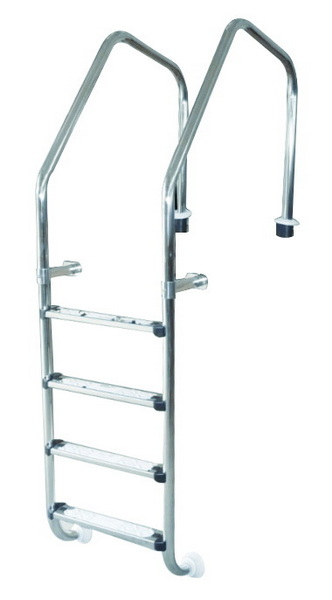
Understanding pool ladder types can help you select the right one for your pool design and user needs.
Best suited for above-ground pools without a built deck. These ladders have two sections that form an "A" shape—one side inside the pool, one outside.
Installed with anchor cups in the pool deck. Provides a sleek, permanent look. Common in larger in-ground pools.
These ladders are lightweight, easy to install and remove. Ideal for families who want added safety by removing the ladder when the pool isn't being supervised.
Comes with a small resting platform at the top, useful for heavier swimmers or children who need extra stability.
An advanced option with a sliding guard cover to block access when the pool is not in use, boosting safety for kids.
To maximize your pool ladder's lifespan, follow these key maintenance practices:
- Rinse After Use: Especially in saltwater pools where salt can corrode metal.
- Inspect Hardware Regularly: Ensure bolts and nuts remain firmly tightened.
- Check Rubber Bumpers: Replace if worn or cracked.
- Prevent Rust: Use stainless steel cleaner and polish periodically.
- Lubricate Moving Parts: Apply waterproof lubricants to metal-to-metal joints.
- Store Removable Ladders Properly: When not in use during winter, store ladders in a dry area.
- Always climb one step at a time.
- Do not jump directly onto the ladder.
- Dry hands before gripping handrails.
- Teach children ladder safety rules.
- Never allow more than one person on the ladder at the same time.
Problem: Ladder feels unstable after installation
- Solution: Re-tighten bolts, reposition ladders into anchor cups, or add stabilizer weights.
Problem: Ladder rusting
- Solution: Use marine-grade stainless steel ladders, apply anti-rust coating, and rinse regularly.
Problem: Slippery steps
- Solution: Install anti-slip grip covers or adhesive strips.
Problem: Pool liner damage
- Solution: Replace worn bumpers and avoid using the ladder without protective rubber feet.
Assembling and installing a pool ladder may seem like a technical task, but by following proper steps, you guarantee the safety and convenience of your swimming environment. From attaching steps and bumpers to securing the ladder in place—every detail contributes to durability and performance. By choosing the right ladder type, adopting regular maintenance routines, and following safety precautions, you will ensure long-term safety and usability for your family, guests, or customers.
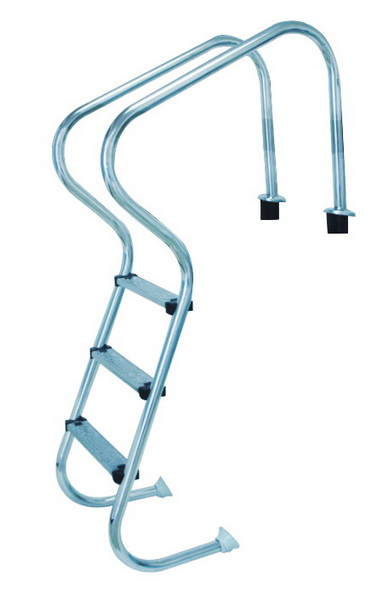
Choose based on your pool type (above-ground or in-ground), depth, and safety requirements. A-frame ladders are best for above-ground pools without a deck, while deck-mounted ladders are common for in-ground pools.
Yes, most pool ladders come with user-friendly manuals and pre-drilled parts. With basic tools, you can install one in less than an hour.
Inspect your ladder every two weeks during pool season. Look for loose bolts, rust, or worn bumpers.
Yes, even stainless steel can corrode eventually in saltwater. Rinsing ladders after each use and applying protective polish will extend their lifespan.
A roll-guard safety ladder is ideal as it can be securely locked when the pool is unattended, preventing children from climbing without supervision.


