
Views: 222 Author: Tina Publish Time: 2025-11-22 Origin: Site


Content Menu
● What Is a Sand Filter and How It Works
● Signs You Need to Change Pool Filter Sand
● Tools and Materials Required
● Step-by-Step Guide to Changing Pool Filter Sand
>> Step 1: Turn Off the Pump and Release Pressure
>> Step 2: Drain and Open the Filter Tank
>> Step 3: Remove the Old Sand
>> Step 4: Inspect and Clean the Laterals
>> Step 5: Add New Silica Sand or Glass Media
>> Step 6: Reassemble the Filter and Backwash
● Recommended Pool Filter Sand Types
● Pro Tips for Maintenance and Efficiency
● OEM Pool Sand Filter Solutions from Our Factory
● FAQs About Changing Sand in Pool Filter
>> 1. How often should the sand in a pool filter be changed?
>> 2. What type of sand should I use?
>> 3. Can I reuse old filter sand?
>> 4. How much sand does my filter need?
>> 5. Can I replace sand with glass media?
Changing the sand in a pool filter is one of the most important maintenance tasks for keeping your swimming pool water crystal clear and healthy. Whether you own a residential pool or manage a commercial facility, understanding this process ensures your filtration system performs efficiently.
This detailed guide explains how to change the sand in a pool filter, what tools you'll need, how often to replace it, and helpful professional tips from our factory—one of China's leading manufacturers of sand filter systems, pool pumps, LED lights, and filtration accessories for OEM clients worldwide.
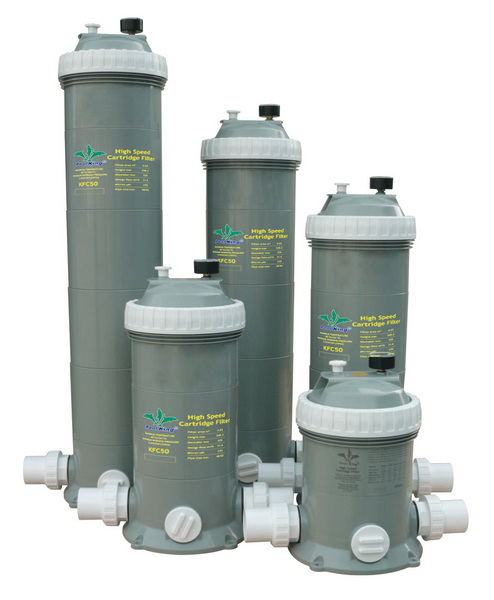
A pool sand filter is a crucial part of your pool's filtration system. It removes debris, dirt, and oil particles from the water by passing it through a bed of special filter sand. As water flows through, impurities stick to the sharp edges of the silica or glass grains, leaving the clean water to return to the pool.
Although sand can last for years, it eventually wears down and becomes less effective. Knowing the right time to replace it can prevent cloudy water or equipment damage. Common signs include:
- Cloudy or dirty pool water even after filtration.
- Increased filter pressure (measured by the pressure gauge).
- Shorter backwash cycles.
- Slower water circulation.
- Sand or debris returning to the pool through the return jets.
Before starting the replacement process, gather the following tools and materials to ensure a smooth procedure:
- Replacement filter sand or filter glass media (refer to your filter model).
- Garden hose or water supply.
- Screwdriver or wrench set.
- Shop vacuum or small scoop.
- Silicone lubricant.
- Teflon tape.
- Bucket and cleaning cloths.
- New O-ring (optional, but recommended).
Before doing anything, turn off the pool pump and disconnect power. Close all valves on the suction and return lines. Open the air relief valve on the top of the filter to release internal pressure safely.
Next, open the drain plug at the bottom of the filter to remove all water. Depending on your filter design, you might need to detach the multiport valve or top cover.
This step can get a bit messy! Carefully scoop or vacuum out the old sand from inside the filter. Be cautious not to damage the internal components known as “laterals,” located at the bottom of the tank.
Once the old sand is removed, inspect the laterals for cracks or clogs. Rinse them thoroughly with water. Replace any broken lateral since a damaged one can allow sand to escape into your pool.
Before pouring new sand, fill the tank halfway with water. This cushioning step prevents laterals from breaking during sand addition. Pour in the new sand slowly to the recommended level, usually about two-thirds full.
Our factory offers high-purity silica sand, eco-friendly glass filter media, and multi-grade sand blends—customized for OEM brands and professional pool system suppliers.
Reattach the top valve, tighten all fittings, and ensure the O-ring is sealed with lubricant. Once reassembled, run a backwash cycle for several minutes to remove dust and fine particles from the new sand. Switch the valve to “Rinse” for about 30 seconds, then set to “Filter” for normal operation.
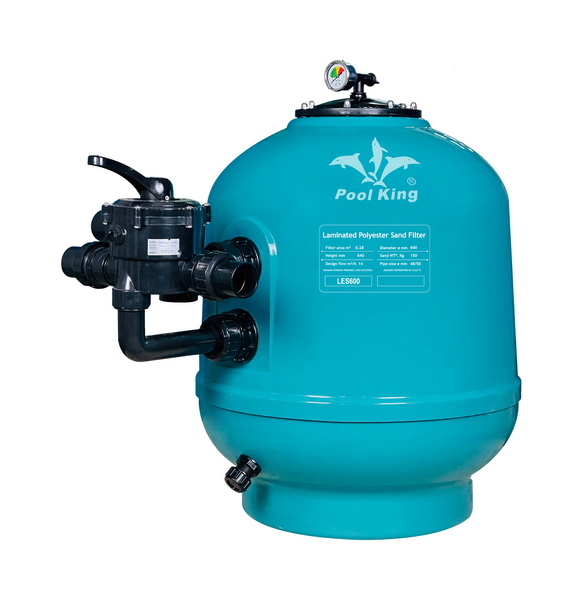
The right sand type dramatically influences filtration efficiency and water clarity. Here are three common categories:
| Sand Type | Particle Size | Lifespan | Pros |
|---|---|---|---|
| Silica Sand | 0.45–0.55 mm | 3–5 years | Affordable, high availability |
| Zeolite Media | 0.60 mm | 5–7 years | Filters finer particles, chemical reduction |
| Glass Media | 0.50 mm | 7+ years | Energy-efficient, eco-friendly, longer lifespan |
OEM Tip: As a professional sand filter system manufacturer, our factory offers customizable options such as multi-grade filtration media, oversized filter tanks, and energy-saving water pumps designed to fit different pool constructions and climates.
- Backwash your filter once per week or when pressure increases by 8–10 psi.
- Rinse after every backwash to stabilize the sand bed.
- Avoid using pool clarifiers excessively—they can clog sand pores.
- Cover your pool to minimize debris and dirt accumulation.
- Inspect your pump basket and skimmer consistently for blockages.
Our company is a professional Chinese manufacturer specializing in advanced sand filter systems and integrated pool filtration equipment. With automated machinery, strict quality control, and global certifications, we deliver OEM solutions trusted by international pool brands, distributors, and spa builders.
Main product categories:
- Sand, DE, and Cartridge Pool Filters
- High-Efficiency Pool Pumps
- LED Pool Lights
- Filtration Accessories and Fittings
Our engineers work closely with clients to customize capacity, tank materials (fiberglass, reinforced polymer), and inlet/outlet sizes for optimal filtration performance. OEM and ODM services are always available with branding, packaging, and logistics support.
Changing the sand in a pool filter might seem like a tough task, but with the right tools and steps, pool owners can easily restore peak performance. Regular sand replacement ensures better water circulation, clearer water, and longer equipment lifespan.
For global distributors or pool system manufacturers, partnering with a proven OEM factory ensures consistent quality, faster delivery, and adaptable engineering design suited for every pool environment.
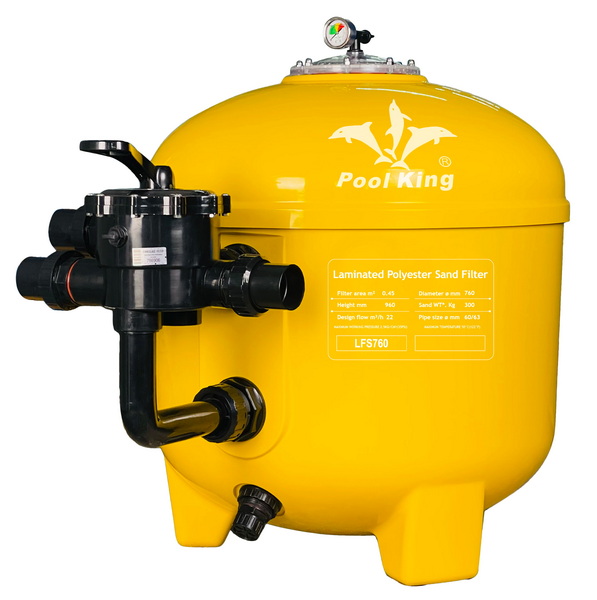
Every 3–5 years, depending on pool usage, debris load, and water hardness. High-use or outdoor pools may need annual inspection.
Use 20-grade silica sand or certified glass filtration media. Avoid beach or construction sand—they may contain impurities harmful to your system.
Reusing is not recommended. Over time, sand grains round off and lose the sharp edges required for trapping debris effectively.
The amount depends on filter size. Typically, a 24-inch filter requires about 100–150 pounds (45–68 kg) of sand. Always check your manufacturer's manual.
Yes. Glass media is an eco-friendly alternative that filters smaller particles and requires less frequent backwashing, saving water and energy.


