
Views: 222 Author: Tina Publish Time: 2025-09-17 Origin: Site


Content Menu
● How Pond Filtration Differs from Pool Filtration
● Can a Pool Filter Work for a Pond?
● Advantages of Using Pool Filters in Ponds
● Comparing Pool Filters and Pond Filters
● Alternatives to Pool Filters for Ponds
● Installation Tips for Using Pool Filters in Ponds
● Enhancing Pool Filters with Biofiltration
● FAQs About Using Pool Filters in Ponds
>> 1. Will a pool filter keep my pond water clear?
>> 2. Can I use a sand pool filter for koi ponds?
>> 3. Is it safe for fish if I only use a pool filter?
>> 4. How often will I need to clean a pool filter in a pond?
>> 5. What's the best alternative to a pool filter for ponds?
Maintaining clean, balanced, and safe water in a pond can be as challenging as it is rewarding. One of the most common questions pond owners ask is: “Can you use a pool filter for a pond?” The short answer is yes, you can—but with important considerations. Pool filters and pond filters are designed for different purposes, so understanding the differences, advantages, and risks is crucial before making a decision.
In this article, we'll explore whether pool filters are suitable for ponds, the types of pool filters available, their pros and cons for pond applications, alternative filtration methods, practical installation tips, and expert advice on keeping pond water healthy and sparkling.
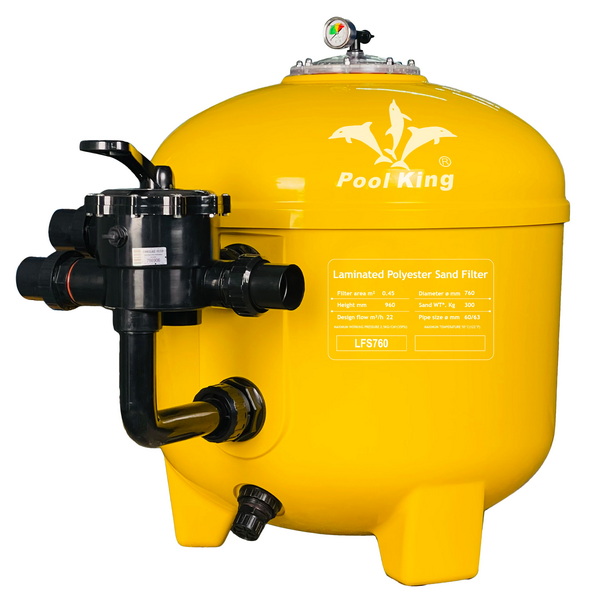
A pool filter is designed to clean swimming pool water by removing debris, particles, and sometimes bacteria. There are three main types of pool filters:
- Sand filters – Use silica sand or glass media to trap dirt and debris down to 20–40 microns.
- Cartridge filters – Use pleated cartridges that filter particles as small as 10–20 microns.
- Diatomaceous Earth (DE) filters – Use DE powder for ultra-fine filtration, trapping particles as small as 2–5 microns.
Each of these filters is highly effective at keeping pool water clear, but ponds pose unique challenges that require different filtration strategies.
While pool filters are engineered to maintain sterile, chlorine-treated water, ponds rely on balanced ecosystems with beneficial bacteria, plants, and natural organisms. Here's how ponds differ from pools:
- Biological load: Ponds often contain fish, plants, and microorganisms that constantly produce organic waste.
- No chemicals: Unlike pools, ponds should never be treated with chlorine or harsh chemicals.
- Algae growth: Sunlight exposure fosters algae growth, which needs specialized biological filtration.
- Beneficial bacteria cycle: Ponds need a nitrogen cycle maintained by biofilters, which pool filters cannot support.
These differences ultimately mean that a pool filter alone is insufficient for keeping a pond healthy, though it may still offer benefits when paired with other systems.
Yes, a pool filter can be used on a pond, but it has limitations. Pool filters are designed to trap debris but provide little or no biological filtration. In ponds with fish like koi or goldfish, harmful ammonia and nitrite levels can rise quickly without proper biofiltration.
For example:
- A sand filter can clear murky water but may clog easily with pond sludge.
- A cartridge filter can filter fine particles but requires frequent cleaning when exposed to organic pond waste.
- A DE filter offers excellent clarity but is overly delicate for organic-heavy pond water and requires constant backwashing.
If used properly and combined with biological methods, pool filters can be a supporting element in pond water management.
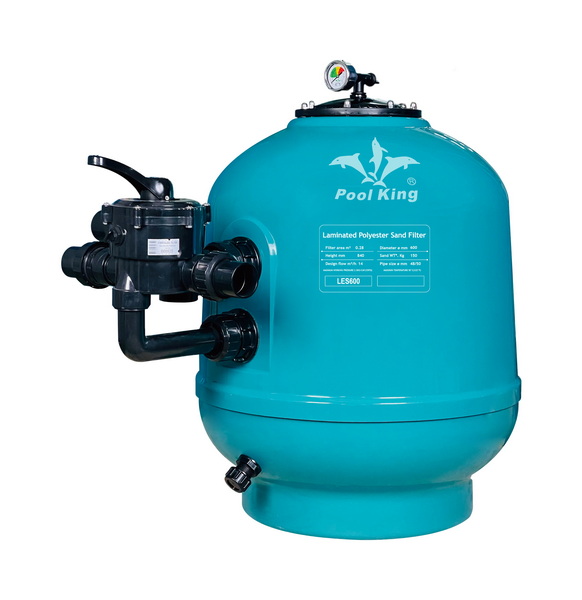
- Excellent water clarity: Removes suspended particles and makes pond water look crystal clear.
- High flow rates: Designed to move large volumes of water quickly.
- Durability: Engineered with strong materials for long-lasting operation.
- Availability: Widely accessible and relatively affordable compared to advanced pond equipment.
- Adaptability: Can be repurposed for larger ponds where mechanical debris filtration is a priority.
While pool filters shine at clearing water, their design flaws for ponds cannot be ignored:
- No biological support for fish health.
- Frequent clogging when exposed to leaves, sludge, and fish waste.
- Maintenance-heavy, requiring frequent backwashing or cartridge replacement.
- Potential fish stress due to lack of ammonia and nitrite breakdown.
- High operating costs if pumps and filter media are not optimized for pond environments.
| Feature | Pool Filters | Pond Filters |
|---|---|---|
| Primary Function | Mechanical filtration for pools | Biological + mechanical for ponds |
| Ability to Handle Waste | Low (clogs easily with organic sludge) | High (designed for fish/plant waste) |
| Water Clarity | Very high | Moderate to high |
| Biological Filtration | None | Essential for healthy ponds |
| Maintenance Needs | High (frequent cleaning) | Moderate (depends on pond size/system) |
| Cost Efficiency | Affordable initially | Efficient long-term for pond balance |
- Pond-specific pressure filters – Combine mechanical and biological filtration, often with UV clarifiers.
- Pond biofilters – Use specialized bio-media that support beneficial bacteria growth.
- DIY pond filtration systems – Incorporate gravel beds, sponge filters, or hydroponic plant filtration.
- Natural plant-based biofilters – Aquatic plants like water lilies and reeds absorb excess nutrients.
- Combined filter systems – A hybrid approach where a pool filter provides mechanical clarity while a pond biofilter maintains the ecosystem.
If you want to repurpose a pool filter for a pond, it's important to install and maintain it properly.
1. Match pump size to pond volume – Oversized pool pumps can create too much turbulence for fish.
2. Add a pre-filter – Prevent leaves and larger debris from clogging the system.
3. Place filter outside direct sunlight – Avoid temperature fluctuations that harm beneficial bacteria.
4. Use pond-safe hoses and connections – Prevent leaks and contamination.
5. Monitor water parameters – Regularly test ammonia, nitrite, and nitrate levels to ensure fish safety.
Since pool filters lack biological filtration, you'll need to add biofiltration to support a healthy pond ecosystem. Options include:
- Bio-balls or ceramic rings in a separate chamber.
- Fluidized moving bed filters with K1 media for maximum surface area.
- Trickle tower filters for superior oxygenation and nitrification.
When combined with a pool filter, these systems can achieve both crystal water clarity and stable ecological balance.
- Small ornamental ponds – A cartridge filter can help polish the water, but frequent cleaning is needed.
- Koi ponds – A pool sand filter may clear water, but only if paired with a dedicated biofilter to process fish waste.
- Farm ponds – For ponds without fish, a pool filter alone may be sufficient for water clarity.
So, can you use a pool filter for a pond? The answer is yes, but with limitations. Pool filters are excellent at removing fine debris and keeping water visibly clear, but they lack the biological component required for healthy pond ecosystems. To effectively use a pool filter for a pond, you must pair it with biological filtration, beneficial bacteria, and proper pond pumps designed for continuous operation.
When properly integrated, a pool filter can improve water clarity—but for long-term fish health and pond balance, dedicated pond filters remain the best solution.
Yes, a pool filter can remove suspended particles and dirt, but it will not address algae growth or fish waste breakdown without a biological system.
You can, but it will clog easily due to higher organic matter loads. Always add a biofilter to prevent fish stress.
No, relying solely on a pool filter risks ammonia and nitrite buildup. Fish need biological filtration to survive.
Much more often than in a swimming pool—sometimes weekly or even daily, depending on debris levels.
A pond pressure filter combined with UV sterilization and bio-media is the best long-term solution for healthy pond ecosystems.


