


Content Menu
● Understanding the Importance of Choosing the Right Pool Pump
● Key Factors to Consider When Choosing a Pool Pump
>> Pump Type
>> Compatibility with Pool Filter
● Types of Pool Pumps Explained
● How to Calculate the Right Pump Size for Your Pool
>> Step 1: Calculate Pool Volume
>> Step 2: Determine Desired Turnover Rate
>> Step 3: Calculate Required Flow Rate
>> Step 4: Match Pump Flow Rate to Filter Capacity
>> Step 5: Consider System Losses
● How to Evaluate Real-World Performance
● Benefits of Intelligent Manufacturing for Pool Pumps
● Additional Tips for Optimizing Your Pool Pump Performance
● Eco-Friendly and Cost-Efficient Practices
● Installation Considerations for OEM Partners
● Practical Installation and Maintenance Guide
● Frequently Asked Questions (FAQ)
>> 1. What size pool pump do I need for a 20,000-gallon pool?
>> 2. Can I replace a single-speed pump with a variable-speed pump?
>> 3. How often should I clean my pool pump filter?
>> 4. What are the signs my pool pump is failing?
>> 5. Are sand filters better than cartridge filters?
Selecting the right pool pump is essential for maintaining crystal clear water, ensuring energy efficiency, and prolonging the lifespan of your swimming pool equipment. With so many types and models available, making an informed choice can be overwhelming. This article will guide you through everything you need to know to answer the question: what pool pump do i need. We will cover key factors, types of pumps, how to match your pump to your pool, and additional tips to optimize your pool's filtration system. Throughout, we will highlight how our OEM-capable factory, specializing in top-tier sand filters, pool pumps, LED lights, and accessories, can support foreign brand owners, wholesalers, and manufacturers with customized solutions.
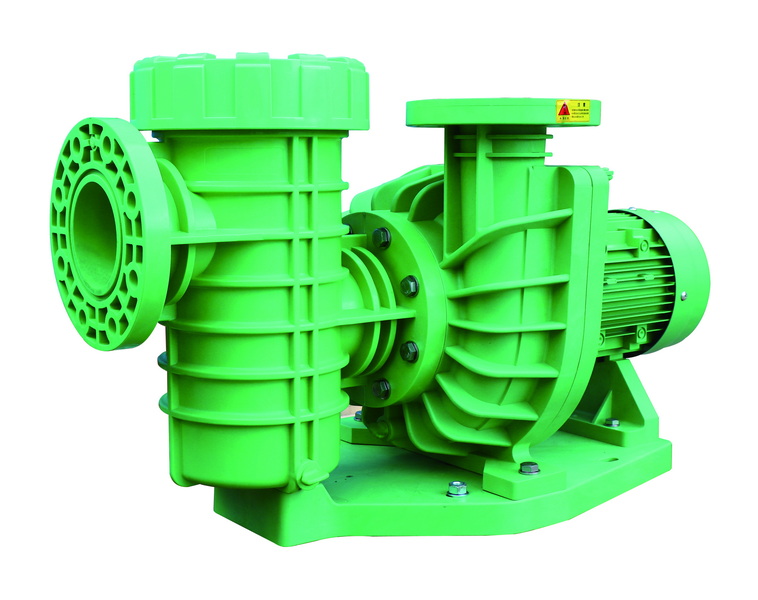
The pool pump is the heart of your pool's circulation system. It moves water through the filter, helping to remove debris, bacteria, and contaminants. Choosing an undersized pump can lead to poor water quality, while an oversized pump can waste energy and cause unnecessary wear on your pool system. An appropriate pump size ensures optimal turnover rates, balanced chemical usage, and consistent filtration performance. In addition, selecting the right pump contributes to quieter operation, reducing noise disturbances for nearby residents and improving user experience.
When evaluating pump options, it is important to consider not only the pump's performance but also the downstream components it serves. A well-matched pump minimizes pressure losses across the filter, reduces pump strain, and extends the service life of bearings, seals, and motor windings. For facilities with multiple features—such as waterfalls, spas, or remote decorative lighting—the pump must be capable of handling the cumulative flow requirements without compromising filtration efficiency.
Knowing your pool's volume in gallons or liters helps determine the flow rate needed for efficient filtration. Larger pools require higher turnover to maintain water clarity, while smaller residential pools can achieve adequate filtration with moderate flow.
Frequency of use, occupancy, and surrounding environmental conditions (dust, pollen, nearby flora) influence how often you'll backwash, how quickly debris accumulates, and how often chemical adjustments are needed. Regions with high sun exposure and temperature fluctuations may see faster chemical consumption and chlorine demand, indirectly impacting filtration performance.
The flow rate, measured in gallons per minute (GPM), indicates how much water the pump moves. The ideal flow rate depends on pool size, filter type, and plumbing configuration. It is important to ensure the pump's maximum GPM aligns with the filter's maximum allowable flow to avoid scouring the filter media or causing air entrainment.
- Single-speed pumps: Simple and affordable but less energy efficient.
- Dual-speed pumps: Can adjust between two speed settings, offering energy savings.
- Variable-speed pumps: The most energy-efficient, allowing full speed control and soft-start/stop profiles.
Energy-efficient pumps can save significant money on electricity bills and reduce greenhouse gas emissions. When considering energy costs, factor in not only the pump's efficiency rating but also the potential savings from reduced backwash frequency and quieter operation, which can improve user comfort and extend equipment life.
Your pump must be compatible with your filter type—sand filter, DE filter, or cartridge filter (筒式过滤器). In practice, this means checking the filter's flow rating, backwash requirements, and pressure differential. A mismatch can lead to poor filtration, excessive backpressure, and frequent maintenance.
The overall system pressure is influenced by the pump, filter, and return jets. A well-designed piping layout minimizes friction losses and ensures that the pump operates near its best efficiency point. Pipe diameters, valve configurations, and the use of unions and lubricants all affect performance and serviceability.
For residential settings, quiet operation is a priority. Variable-speed pumps tend to run more quietly at lower speeds, while older or cheaper single-speed units may generate noticeable vibration and mechanical noise. Improved motor isolation, vibration damping pads, and properly sized foundations can reduce noise impact.
Materials rated for outdoor exposure, such as corrosion-resistant housings and sealed motors, extend the life of pumps installed in humid climates or near saltwater pools. Easy-access strainer baskets, clear lids, and modular components simplify routine maintenance and reduce downtime.
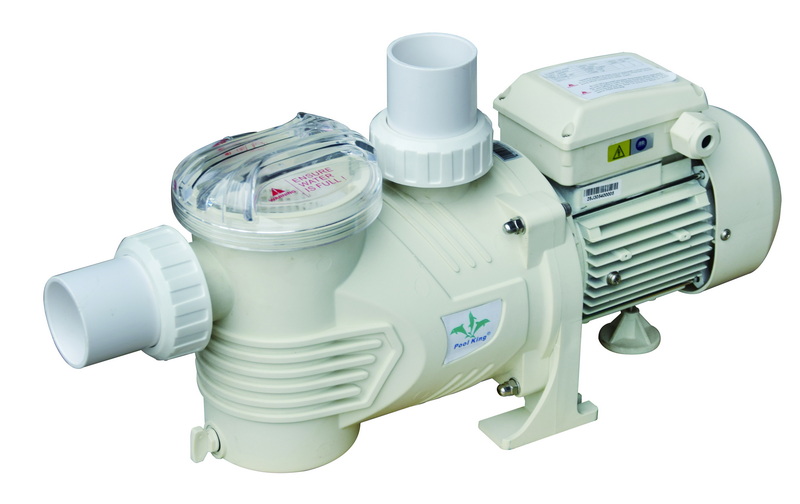
Ideal for large pools or facilities with straightforward filtration needs. These pumps work well with sand filtration systems and typically require backwashing to restore flow efficiency after pressure buildup. They are known for ruggedness and straightforward maintenance.
DE (diatomaceous earth) filters offer finer filtration by trapping smaller particles than sand or cartridge filters. Pumps designed for DE systems must accommodate higher filtration efficiency, which can come with increased backwash frequency and more meticulous handling of DE powder.
Cartridge filters use replaceable cartridges that trap debris while offering convenient maintenance. Pumps for cartridge filters are often selected for energy efficiency and compatibility with lower backpressure systems. This combination makes cartridge-filter setups popular in residential pools seeking lower ongoing maintenance.
Smart pumps incorporate intelligent technology to automate operations, monitor performance, and optimize energy use. They can adjust speed in response to real-time flow requirements, weather conditions, and user settings. Integration with home automation ecosystems allows remote control via mobile apps.
Use the standard formula: Length (ft) × Width (ft) × Average Depth (ft) × 7.5 = Pool volume in gallons. For irregular pools, measure multiple sections and sum the volumes to obtain an accurate total.
A typical turnover rate is completing a full cycle of pool water every 8 hours. However, some pools, such as high-usage commercial facilities or competition venues, may require turnover every 4–6 hours for optimal water quality. Conversely, some small residential pools may function adequately with longer turnover times.
Divide pool volume by turnover time (in hours) and then convert to GPM:
GPM = Pool Volume (gallons) ÷ Turnover Time (hours) ÷ 60.
Choose a pump that provides the required flow rate but does not exceed the filter's maximum flow rate. Exceeding the filter's capacity can lead to poor filtration, higher pressure, and faster wear. If necessary, consider a pump with adjustable speeds to meet filtration needs without oversizing the system.
Friction losses from pipe fittings, valve positions, and the elevation difference between the pump and the filter can reduce actual flow. Include a small buffer (usually 10–20%) to account for these losses and ensure reliable performance.
Beyond theoretical calculations, real-world testing is essential. After installation, monitor the following indicators over a 2–4-week period:
- Water clarity and chemical balance stability
- Filter pressure trends and backwash frequency
- Electricity consumption and operating costs
- Noise levels and vibration in the pump area
- Routine maintenance ease and downtime
If you observe persistent high head loss, low flow at the returns, or rising energy bills, reassess the pump size, pipe sizing, and filter configuration. Our OEM-enabled facility can provide tailored recommendations and scalable manufacturing solutions to align with your branding and market requirements.
Our factory specializes in producing top-tier pool pumps and filters with intelligent machinery ensuring precision, consistency, and quality. OEM services mean customized solutions for brand owners, wholesalers, and manufacturers worldwide. By leveraging automated assembly lines, stringent quality controls, and standardized testing protocols, we can deliver reliable, repeatable performance across diverse markets and climate zones. We also offer customization options such as branding, packaging, technical documentation, and after-sales support to help you differentiate in competitive distribution channels.
- Regularly clean pump strainer baskets and check for debris buildup in suction lines.
- Ensure correct plumbing size to avoid flow restrictions and suction head losses.
- Use pool timers or smart controls to operate pumps efficiently, aligning runtime with environmental conditions and pool usage.
- Check for leaks or wear on seals, gaskets, and bearings; replace worn components promptly to maintain performance.
- Inspect electrical connections for corrosion and ensure the motor capacitor and starter circuitry are functioning properly.
In addition to selecting an energy-efficient pump, consider incorporating solar-assisted pool heating or solar-powered controls to further reduce energy consumption. Proper pool enclosure, vegetation management, and shade can also reduce ambient temperatures, lowering evaporation and chemical demand. Maintenance routines that minimize chemical waste and maximize filtration efficiency contribute to a more sustainable operation while protecting long-term system integrity.
For brands seeking OEM partnerships, several factors influence successful deployment:
- Pre-sales engineering support to tailor pump performance to target markets
- Documentation packages, including installation manuals, service guides, and safety notices
- Compliance with local electrical standards and pool safety regulations
- Flexible packaging options and traceable lot numbers for quality control
- Post-sales support and warranty management to sustain customer trust
Our factory stands ready to collaborate with international brands, offering end-to-end solutions from design through mass production and after-sales service. We can adapt pump housings, control interfaces, and labeling to meet regional requirements while maintaining rigorous quality standards.
- Plan a simple, accessible installation area with clear clearance around the pump for service and ventilation.
- Use corrosion-resistant materials for piping and fittings; stainless steel or high-grade plastics are common choices.
- Implement a strainer basket routine and schedule backwashing according to observed pressure rises.
- Prime the pump correctly and ensure there are no air leaks in suction lines.
- Schedule periodic inspections of motor windings, seals, and electrical connections to prevent unexpected downtime.
Choosing the right pool pump is crucial for maintaining your pool's health, water clarity, and energy efficiency. Consider your pool size, turnover rate, pump type, flow rate, and filter compatibility to pick the best option. In many scenarios, a variable-speed pump offers the best balance of performance, energy savings, and long-term reliability, especially when paired with a compatible filter and an optimized piping layout. Our factory specializes in high-quality pool pumps, sand and DE filtration solutions, LED lighting, and accessories, all available with OEM services tailored for foreign brands, wholesalers, and manufacturers seeking reliable production and scalable solutions. By integrating intelligent manufacturing processes, we ensure consistent performance, traceable quality, and timely support across global markets.
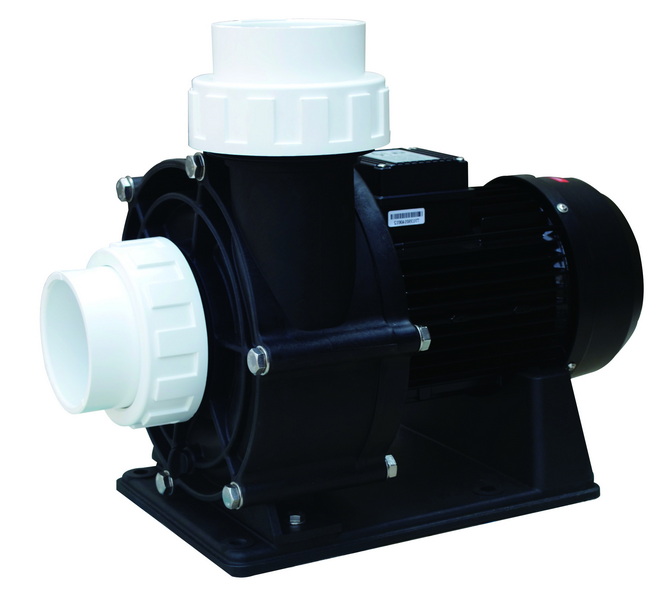
For a 20,000-gallon pool, aim for a pump with around 40-50 GPM flow rate to achieve proper turnover every 8–10 hours, depending on local conditions and filter type.
Yes, variable-speed pumps are more energy-efficient and can usually replace single-speed pumps, but confirm compatibility with your filter system and electrical setup.
It depends on usage and pool conditions, but generally every 1 to 2 weeks for residential pools, with more frequent checks during peak season or high-debris environments.
Reduced water flow, unusual noises, increased energy bills, or leaks around the pump indicate possible failure and should prompt a professional inspection.
Sand filters require less maintenance and are robust, while cartridge filters can provide finer filtration with easier cleaning. The choice depends on maintenance preference, pool usage, and water quality goals.


