
Views: 222 Author: Tina Publish Time: 2025-12-17 Origin: Site


Content Menu
● Why winterizing your sand filter matters
● What you need before you start
● Step 1 – Backwash and rinse the sand
● Step 2 – Set the multiport valve to “WINTERIZE”
● Step 3 – Drain the sand filter tank completely
● Step 4 – Drain and protect the pool pump
● Step 5 – Disconnect hoses, unions, and accessories
● Step 6 – Decide whether to move or cover the sand filter
● Step 7 – Quick checklist for spring reopening
● Safety tips and common mistakes
>> 1. Do I need to remove the sand from my filter for winter?
>> 2. Why is there a “WINTERIZE” setting on my multiport valve?
>> 3. Can I leave my sand filter outside all winter?
>> 4. Should I pour pool antifreeze into the sand filter tank?
>> 5. What are signs that my filter was not winterized correctly?
>> 6. Can I winterize my filter without backwashing first?
How to winterize a sand pool filter is simple but essential: clean the sand, remove all water from the filter, pump and lines, set the multiport valve to “WINTERIZE”, and protect equipment from freezing until spring. Done correctly, this prevents cracked tanks, broken valves, and costly repairs while making spring opening faster and easier.[1][2][3][4]
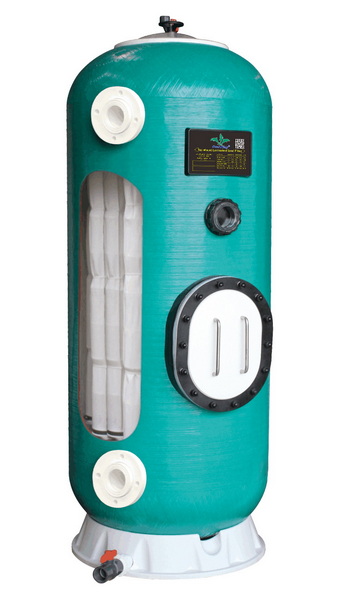
When water trapped in a sand filter or pump freezes, it expands and can crack tanks, multiport valves, unions, and even underground plumbing. Proper winterization drains and relieves pressure in the system so any residual moisture can freeze safely without damaging plastic or metal parts.[3][4][5]
Winterizing also keeps dirty water and debris from sitting in the filter all season, which can cause odors, staining, and reduced filtration performance when you reopen the pool.[2][6]
Before working on the sand filter, the pool itself should already be winterized: water level lowered as required, chemistry balanced, and the pool covered or ready to be covered. Once the pool is ready, gather the following tools and accessories.[6][5]
Suggested tools and supplies
- Flat-head screwdriver or wrench for pump and drain plugs.[1][6]
- Garden hose for backwashing and rinsing the filter.[2][6]
- Teflon tape for re-installing drain plugs in spring (optional but recommended).
- Pool-grade non-toxic antifreeze for lines in very cold climates (never for the filter tank itself).[4][5]
- Clean rags or towels to wipe off valves, unions, and housings.[7][1]
The last thing you want is a season's worth of debris rotting inside the sand during winter, especially if the filter is stored in a relatively warm garage or shed. Start by running a long backwash cycle until the water from the waste line or backwash hose runs completely clear.[6][2]
After backwashing, switch the multiport valve to “RINSE” and run the pump for about 30 seconds to re-settle the sand bed and flush the valve. Then shut off the pump at the breaker or timer and verify that no electricity can turn it back on while you are working.[2][6]
Most modern sand filters include a “WINTERIZE” position on the multiport valve, designed to protect the valve body from freeze expansion. In this setting, the internal spring keeps the diverter slightly lifted so any water trapped inside the valve has space to expand into ice without cracking the housing.[3][2]
With the pump off, press down the handle fully, rotate to the “WINTERIZE” position, and then release the handle so it locks into place. If your valve does not have a specific winter setting, leave the handle between positions (never under pressure) to avoid sealing water inside the ports.[8][2]
Next, remove all water from the filter tank itself. Most sand filters have a threaded drain cap or plug near the bottom of the tank barrel.[7][2]
Follow these steps:
1. Unscrew the drain cap at the base of the filter tank and let water flow out until it stops.[6][2]
2. Tilt the tank gently, if safe, to help any trapped water pockets escape, especially on large models.
3. Store the drain cap in a safe place, but do not reinstall it during winter; leaving it off allows any remaining moisture to escape or expand harmlessly.[1][2]
There is no need to remove the sand for winter storage; the media normally lasts 4–5 years before replacement is required, assuming proper operation.[2][6]
The pump is just as vulnerable to freezing as the sand tank. Any water left in the strainer housing or volute can expand and crack the casing.[4][1]
To winterize the pump:
1. Turn off power at the breaker and confirm the pump cannot start.
2. Remove the drain plug(s) located on the pump strainer housing and sometimes on the motor end, depending on the model.[5][1]
3. Take off the pump lid and tilt the unit slightly to ensure all water drains out of the housing.[1]
4. Wipe all surfaces dry and store small parts like plugs and o-rings in the pump basket so they are easy to find in spring.[7][1]
If your region experiences severe freezes, consider disconnecting unions and moving the pump indoors or into a frost-free area for the winter.[5][4]
Once the filter and pump are drained, focus on the plumbing connected to them. Flexible above-ground hoses and rigid PVC piping can both be damaged by trapped water turning to ice.[4][7]
- Remove flexible hoses from the skimmer, returns, pump, and filter and let them drain fully before storing indoors.[7]
- For hard plumbing, blow out lines with a shop vac or air compressor if possible, then plug openings at the pool and add pool antifreeze where recommended by local practice (never inside the filter tank).[5][4]
- Take off pressure gauges and any sight glass used on the backwash line, store them indoors, and leave those ports open or capped per manufacturer recommendations.[12]
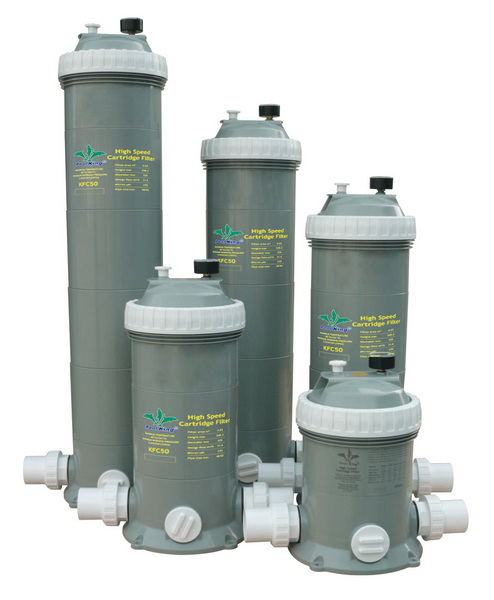
A full sand filter is heavy, and many manufacturers recommend leaving the sand in place and simply protecting the tank outdoors when moving it would be unsafe.[9][1]
- In harsh-winter climates, consider two-person lifting or a cart to move the filter and pump into a garage or shed, especially for above-ground systems.[4][1]
- If the filter must remain outside, ensure it is fully drained, valve set to winterize, and covered with a breathable, UV-resistant cover that keeps snow and ice off while allowing condensation to escape.[5][4]
Never wrap equipment in airtight plastic that can trap moisture and accelerate corrosion or mildew.
A well-winterized filter makes spring start-up much easier. When reopening:
- Inspect the tank, valve, pump body, and unions for visible cracks or leaks.[15][5]
- Reinstall all drain plugs, pressure gauges, and sight glasses with fresh o-rings or thread seal as needed.[2][7]
- Return the multiport valve from “WINTERIZE” to “FILTER” only once the system is fully reassembled and primed with water.[3][8]
If the filter struggles to clear the water or backwash cycles become very frequent, it might be time to replace the sand after its typical service life.
Proper winterizing is not just about following steps but also about avoiding common errors that cause damage.
Key safety tips
- Never move the multiport valve handle while the pump is running, even during winterization, to avoid damaging the valve spider gasket.[8][3]
- Always cut power at the breaker before working on any pool equipment to prevent accidental starts and electrical hazards.[15][5]
Common mistakes to avoid
- Leaving the filter tank or pump partially filled with water, which can lead to cracks when temperatures drop.[4][1]
- Forgetting to remove drain plugs, pressure gauges, or sight glass assemblies, trapping water in fragile components.[12][4]
- Skipping the final backwash and rinse, allowing organic debris to sit in the sand all winter.[6][2]
Winterizing a sand pool filter is a straightforward process that protects your investment and ensures an easier, cleaner opening when warm weather returns. By backwashing and rinsing the sand, setting the multiport valve to “WINTERIZE”, draining the tank and pump completely, and protecting hoses and accessories from freezing, you dramatically reduce the risk of cracked equipment and expensive repairs.[3][5][1][2][4]
Whether you store the filter indoors or leave it in place under a cover, the key is to eliminate standing water and relieve internal pressure so any remaining moisture can safely freeze and thaw all winter long.[7][3]
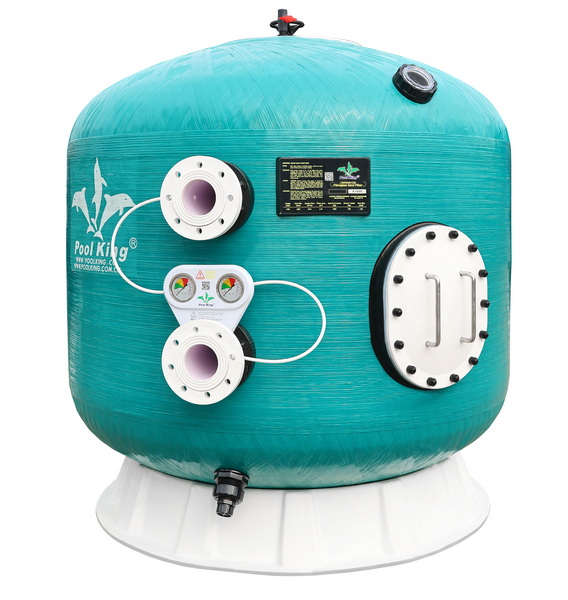
No. You do not need to remove the sand before storage; most sand media is designed to last about 4–5 years in normal residential use.[2][6]
The “WINTERIZE” position lifts the internal diverter slightly so any water left in the valve has room to expand as it freezes, helping to prevent cracks in the valve body.[1][3]
Yes, as long as you have drained it completely, set the valve correctly, removed sensitive parts like gauges, and protected it from direct snow and ice with a breathable cover.[4][1]
No. Pool antifreeze is used in plumbing lines, not inside the filter tank or pump housing; draining those components is the correct method.[5][4]
Cracked tanks or valves, leaking unions when you restart the system, or significantly reduced filtration performance can all indicate freeze damage or internal problems caused by improper winterization.[5][1]
It is possible, but not recommended; leaving trapped debris in the sand all winter can cause odors and reduce the effectiveness of the filter when you reopen the pool.[6][2]
[1](https://www.youtube.com/watch?v=lJKaeu3wFJM)
[2](https://www.thepoolfactory.com/blogs/pool-care/sand-filter-system-how-to-winterize-for-pool-closing)
[3](https://intheswim.com/blog/multiport-valve-settings-demystified.html)
[4](https://intheswim.com/blog/freeze-protection-for-pool-equipment.html)
[5](https://leisurepoolsusa.com/pool-maintenance/winter-pool-protection-guide/)
[6](https://poolpartstogo.com/blogs/articles/how-to-winterize-any-type-of-pool-filter-fast)
[7](https://www.funcenterpools.com/en/help/pool-filters/how-do-i-winterize-my-pool-filter)
[8](https://www.youtube.com/watch?v=Bm-htvR-JCE)
[9](https://www.youtube.com/watch?v=C03ukLOBtRk)
[10](https://www.youtube.com/watch?v=jYxVrsp8YB8)
[11](https://www.youtube.com/watch?v=2uzyELEz3cA)
[12](https://www.reddit.com/r/pools/comments/iy28kx/loosen_valve_clamp_on_sand_filter_to_winterize/)
[13](https://www.youtube.com/watch?v=f0nvAFkNde8)
[14](https://www.youtube.com/watch?v=D9JN03Oc5Aw)
[15](https://www.pentair.com/en-us/education-support/water-education-center/pool-and-spa-education/pool-freeze-protection.html)
[16](https://www.youtube.com/watch?v=DxUk_TMQ0xY)
[17](https://www.dfwpoolandpatio.com/post/the-ultimate-guide-to-winterizing-your-pool-in-freezing-texas-weather-expert-tips-and-tricks)
[18](https://www.reddit.com/r/pools/comments/16b6qdu/can_i_leave_a_sand_filter_outside_after_i_close/)
[19](https://www.aquagem.com/news/what-is-a-multiport-valve-and-what-does-it-do-on-pool-filter)
[20](https://www.youtube.com/shorts/e4SUp_hWYPU)


