
Views: 222 Author: Tina Publish Time: 2025-10-06 Origin: Site


Content Menu
● Introduction to Pool Filter Waste Setting
● Understanding Multiport Valve Settings
● When to Use the Waste Setting
● Step-by-Step Guide: Using the Waste Setting
>> 2. Set the Valve to "Waste"
>> 3. Connect and Submerge the Vacuum
● Pros and Cons of Waste Setting
● Using the Waste Setting for Different Filter Types
● Common Mistakes and Troubleshooting
>> 1. What happens if I forget to turn off the pump before changing to 'waste'?
>> 2. Is the waste setting available on all pool filters?
>> 3. How much water will I lose using the 'waste' setting?
>> 4. Can I vacuum out algae using the waste setting?
>> 5. Should I backwash after using the waste setting?
The waste setting on a pool filter, especially with sand or DE filters, allows pool operators to divert water directly out to waste, bypassing the filtration media. This function is used when there's excessive debris, dirt, or algae that shouldn't be caught in the filter, for draining pools, or after rainfall. Understanding how and when to use this setting ensures your pool water stays clear and your equipment functions efficiently.[1][2][3]
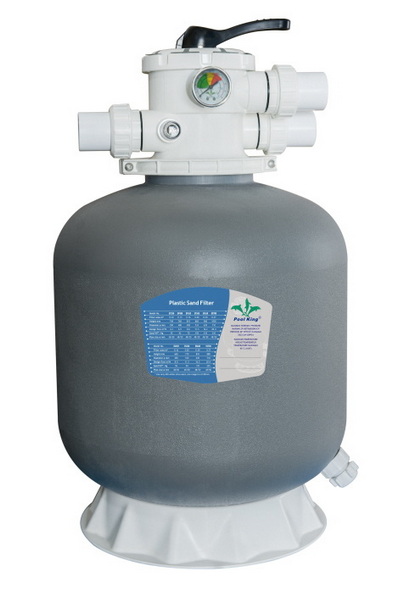
The multiport valve on your pool filter has several settings, including filter, backwash, rinse, recirculate, waste, and closed.[4][1]
- Filter: Standard setting for cleaning pool water[1]
- Backwash: Reverses flow to clean the filter media
- Rinse: Cleans filter media after backwashing
- Waste: Bypasses filter; water exits to waste line
- Recirculate: Water flows back to pool without filtration
- Closed: Shuts water flow
- To remove heavy debris or contaminated water after flooding or algae bloom
- When vacuuming fine particles or flocculent that would clog the filter media
- Lowering water level quickly (e.g., after heavy rain)
- Preparing the pool for specific repairs or chemical treatments
This setting is not intended for regular filtration and should only be used when necessary.[2][3][1]
Before touching the valve, always turn off the pool pump to prevent damage.[6][7]
Locate and turn your filter's multiport valve to the 'waste' position.[6][1]
Assemble the vacuum head on the telescopic pole. Connect the hose, and submerge both ends to remove air pockets. Insert the hose into the strongest suction skimmer.[6]
This will begin draining pool water, so ensure your waste line directs water to an appropriate area.[2][1][6]
Monitor water level constantly, as the waste setting drains large quantities of water rapidly. Top off with a garden hose if level drops below the skimmer.[8]
Begin vacuuming debris directly to waste, bypassing the filter entirely.[9][8][6]
| Pros | Cons |
|---|---|
| Rapid debris removalpoolking+1 | Significant water lossyoutubehollandiagardens |
| Prevents filter cloggingpoolking+1 | Not suitable for all contaminants |
| Reduces algae return riskfoxpoolsva | Must monitor water level |
| Useful for draining poolsfoxpoolsva+1 | Can lead to high water bills |
- Never run pump with multiport valve set to "Closed"[1]
- Always check local regulations before draining water to waste
- Watch water levels to avoid air getting into pump[8]
- Backwash and rinse the filter after using the waste setting for vacuuming[3][11]
- Clean skimmer basket and pump strainer after waste operation
The waste setting is standard and operates by bypassing filter media, expelling water and debris directly. Always ensure the waste line is connected and directed to a safe drainage area.[2][1]
Cartridge filters do not typically have a 'waste' setting. To vacuum to waste, disconnect the filter and use hoses to redirect flow, as indicated by forum recommendations.[12]
- Forgetting to turn off pump before changing valve settings causes system damage[7][6]
- Not filling pool immediately after draining can lead to pump issues[1][8]
- Allowing water level to go below skimmer results in air entering pump[8]
- Discharging water onto lawns or near home foundations risks property damage; always check local regulations
Understanding and correctly using the waste setting on your pool filter is key to tackling severe debris, algae blooms, and rapid water removal tasks. By following the step-by-step procedure, monitoring your water levels, and consulting the detailed resources and video guides provided, international brands, wholesalers, and pool owners can optimize their pool filtration solutions with confidence.[6][2][3][1][8]
Changing the valve while the pump is running can damage the internal components, leading to costly repairs.[7][6]
No, it is mostly found in sand and DE filters. Cartridge filters require manual modifications to achieve similar results.[13][12]
Depending on the task, significant water can be lost. For a full pool vacuum, expect several hundred liters or more.[3][2][8]
Yes; vacuuming to waste bypasses the filter, preventing algae or chemical flocculent from returning to the pool.[3][2]
If substantial debris was removed, a backwash and rinse cycle is recommended for sand and DE filters.[11][3]
[1](https://hollandiagardens.com/pool-filter-settings-explained/)
[2](https://www.poolking.co/a-news-what-is-waste-setting-on-pool-filter.html)
[3](https://foxpoolsva.com/2021/08/10/what-does-a-pool-filter-do-to-clean-the-pool/)
[4](https://www.youtube.com/watch?v=zXQbpJqhbmU)
[5](https://www.youtube.com/watch?v=lLB7eHScSn0)
[6](https://platinumpoolservice.com/blog/how-do-i-vacuum-to-waste/)
[7](https://www.browningpools.com/blog/pool-basics-vacuuming-to-waste)
[8](https://www.youtube.com/watch?v=op0-qH5m4gY)
[9](https://www.youtube.com/shorts/6A0KpLHjtfU)
[10](https://www.youtube.com/watch?v=VmXdio44FTY)
[11](https://www.cavanaughpool.com/secure_html/Files/CMFiles/Sandfiltersettingsandwhattheymean.pdf)
[12](https://www.reddit.com/r/pools/comments/146a97w/is_there_a_way_to_vacuum_to_waste_with_a/)
[13](https://www.reddit.com/r/swimmingpools/comments/1lr4ypd/does_anybody_know_if_i_have_a_vacuum_to_waste/)
[14](https://www.youtube.com/watch?v=id-zD7fbolE)
[15](https://www.aidot.com/blog/post/how-to-vacuum-pool-with-sand-filter)
[16](https://www.youtube.com/watch?v=xQE4CPkBJPo)
[17](https://www.youtube.com/watch?v=ky_8PGT_bj0)
[18](https://www.youtube.com/watch?v=dOlBihZ8rAk)


