
Views: 222 Author: Tina Publish Time: 2025-10-25 Origin: Site


Content Menu
● Understanding the Bestway Pool Ladder
● Tools and Preparation Before Disassembly
● Step-by-Step Disassembly Instructions
>> Step 1: Detach the Safety Handles
>> Step 3: Detach the Base Assemblies
>> Step 4: Separate the Ladder Sides
● Cleaning and Maintenance After Disassembly
● Troubleshooting Common Disassembly Issues
● Seasonal Storage and Reassembly Guidelines
● Safety and Compliance Standards
>> 1. How often should I disassemble my Bestway pool ladder?
>> 2. Can I use power tools for disassembly?
>> 3. What should I do if a screw is rusted or stuck?
>> 4. Are replacement parts compatible between ladder models?
>> 5. Is it safe to store the ladder outdoors?
Disassembling a Bestway pool ladder is an essential maintenance routine that ensures both safety and product longevity. This comprehensive guide not only walks you through each step of the process, but also provides maintenance insights, troubleshooting advice, and best practices for proper storage and reassembly. With illustrated instructions, tool recommendations, and safety guidelines, it serves as a complete reference for homeowners and pool professionals alike.
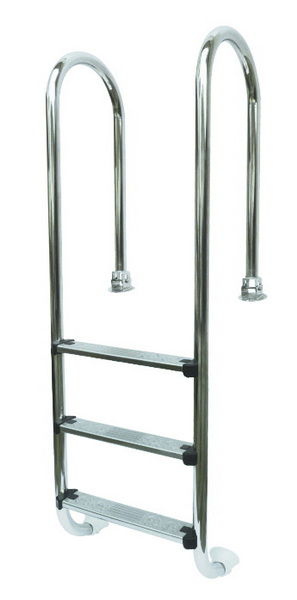
Bestway pool ladders are engineered for durability and ease of use. Most models, such as the Bestway 58430 and 58332 series, are composed of powder-coated steel frames and heavy-duty plastic steps that interlock into A-frame side rails. These ladders are corrosion-resistant, weather-tolerant, and designed for above-ground pool environments.[9][10]
Each ladder typically includes:
- Two vertical side rails (A-side and B-side)
- Four to six molded steps
- Hand grips attached at the top via M6x43 screws
- Non-slip feet or bases
- Locking retention clips for securing steps
These components allow safe dual-side entry and exit while maintaining stability in chlorinated or fresh water environments.[3][5]
Before starting, ensure safety and organization. Gather the following tools and materials:
- Crosshead screwdriver or Philips head
- Adjustable wrench
- Rubber mallet or non-marring hammer
- Waterproof lubricant
- Clean cloths or towels
- Storage labels or plastic bags for screws and clips[5][3]
It's recommended to remove the ladder from the pool and rinse it before disassembly. Allow it to dry completely to prevent slipping. Move all items—cleaning nets, chemicals, hoses—away from your workspace, and inspect the ladder thoroughly for cracks, rust, or damage. If any defects are found, note them for replacement before reassembly.[5]
Start by removing the ladder from the poolside. Using a screwdriver and wrench, unscrew the bolts that attach the handles to the vertical rails. There are usually four M6x43 screws connecting the upper handles. Keep the washers and nuts together in a labeled bag to avoid confusion later.[3][5]
Once the screws are removed, slide off the handles carefully. Avoid applying excessive force to prevent bending or cracking the plastic brackets.
Each step is secured by retention clips or locking tabs on both sides of the ladder. Start from the top step and work downward. Insert a screwdriver into the clip slot and gently pry to release the step from its locking groove. Pull the step upward and out from the rails.[5]
Repeat this process for each remaining step. If the clips are tight due to chlorine buildup or rusted bolts, apply a small amount of lubricant and wait a few minutes before attempting removal again.
The ladder's weighted bases or feet provide stability. These are typically removable by sliding them outward from the rail ends. If filled with water or sand (common in A-frame ladders), empty them before detaching to reduce weight.[9][3]
For stubborn connections, use a rubber mallet to tap the base sections gently until loose. Avoid using metal hammers, as this can distort the tubular rails.
Once steps and bases are removed, the two vertical rails (A-side and B-side) can be separated. Lift one side rail away slowly, ensuring no plastic tabs remain engaged. This step effectively splits the ladder into compact components for cleaning and storage.[9][5]
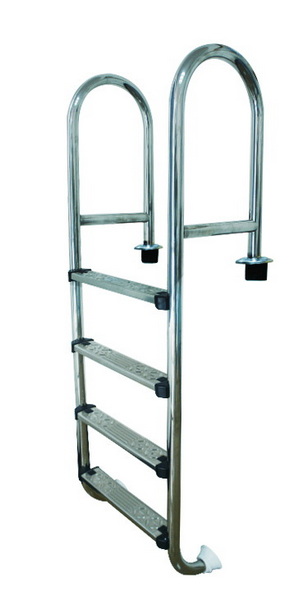
Proper maintenance extends the ladder's usable lifespan and ensures safety for future use. Follow these cleaning and inspection practices after disassembly:
- Wash each component with mild detergent and warm water using a soft-bristled brush.
- Avoid strong solvents that can weaken the plastic or coating.
- Rinse thoroughly and dry completely with clean towels or allow parts to air-dry under shade.
- Inspect for rust spots, cracks, or bent hardware. Replace defective components promptly with certified Bestway spare parts.[11][12]
After drying, spray a light silicone lubricant on metallic joints to prevent corrosion and ease future reassembly.
Store all cleaned parts in labeled bags or containers. Organize the hardware by size (screws, bolts, nuts) to save time when reinstalling.[5]
Disassembling a ladder in colder climates or after long-term use can cause difficulty due to stiffened plastic or corroded joints. The following troubleshooting methods can help:
- Brittle Plastic in Cold Weather: Warm the ladder slightly indoors or use a hairdryer on low heat to make the plastic pliable before separation.[5]
- Stubborn Bolts: Apply penetrating lubricant or rust remover spray. Let it sit for 5–10 minutes, then use a wrench with moderate torque to unscrew.
- Stuck Step Panels: Wiggle side to side while lifting to loosen; avoid pulling straight up with excessive force.
- Corrosion on Metal Joints: Use a fine brush or emery cloth to clean rusted areas before storage.
Following these precautions minimizes damage and ensures smooth future reassembly.[5]
After disassembling and cleaning your Bestway ladder, follow these best practices for long-term storage:
- Always store indoors, away from direct sunlight or humidity. UV exposure can cause discoloration and brittleness over time.
- Ensure all parts are completely dry before sealing them in storage containers.
- Keep hardware bags separate from ladder rails and steps to prevent scratching or corrosion.
- When preparing for next season, reassemble the ladder following the manufacturer's reverse installation order using the original diagrams.[3][9]
Apply a silicone-based sealant or marine-grade lubricant on screws and fasteners before reinstallation for added durability. Tighten all hardware evenly but avoid over-tightening to prevent cracking.[13][5]
Bestway ladders are constructed under strict European EN 16582 and U.S. ANSI standards for pool safety. During reinstallation, verify that:
- All steps are fully engaged and locked.
- The ladder is stable on a solid, non-slippery surface.
- Only one person uses the ladder at a time.
- The area around the ladder is free from oils, sunscreen residue, or leaves that may reduce traction.[3][9][5]
Additionally, always remove or secure the ladder when the pool is not in supervised use, particularly in households with children. This prevents unsupervised entry and enhances overall pool safety.
Properly disassembling a Bestway pool ladder is an essential task for safe storage, thorough cleaning, and long-lasting usability. With the right tools, preparation, and attention to detail, even first-time pool owners can easily handle the process. From removing the handles and steps to cleaning and lubrication, following the methods outlined above guarantees your ladder remains safe, corrosion-free, and ready for each swimming season.
For OEM and B2B buyers, our Chinese manufacturing facility produces high-end pool filtration systems—including sand filters, DE filters, cartridge filters, pumps, and LED accessories—built with automated precision and compliant with international standards. We offer full OEM and ODM customization for global brands seeking reliable pool maintenance solutions.
Disassemble your ladder annually during winterization or whenever extended periods of non-use are expected. This prevents buildup of sediment, rust, and chemical damage.
Manual tools are preferred. Power tools can overtighten or strip screws, especially on plastic components.
Apply a penetrating lubricant such as WD-40 and let it rest briefly. Use a correctly sized wrench or screwdriver for removal to prevent head stripping.
Most Bestway ladders share standardized hardware sizes, but always verify the model code (e.g., 58430 or 58332) before purchasing replacement parts.
Outdoor storage is not recommended. Direct sunlight and moisture can accelerate plastic aging and cause metals to oxidize, reducing ladder life expectancy.
[1](https://www.youtube.com/watch?v=C_FF_-RtEcg)
[2](https://www.tiktok.com/discover/how-to-disassemble-a-bestway-pool-ladder)
[3](https://bestwayusa.com/media/pdf_files/Coleman_Pool_Ladder_90392E_2024.pdf)
[4](https://www.youtube.com/watch?v=AcVIHFSLCTY)
[5](https://www.poolkingfilter.com/how-to-take-apart-a-pool-ladder.html)
[6](https://m.bestwaycorp.lv/News/Detail?newsId=b5a2b9f3-bc4d-42bb-893a-5dabfa52fc1d)
[7](https://manuals.plus/asin/B01LD72KIS)
[8](https://www.tiktok.com/discover/how-to-disassemble-pool-ladder)
[9](https://manuals.plus/bestway/58430-33-inch-or-84cm-pool-ladder-manual)
[10](https://manuals.plus/bestway/58332-1-32m-52-inch-pool-ladder-manual)
[11](https://bestwayusa.com/partsfinder/product/parts/sku/5615GE/vendor_item_number/105615GUSX23)
[12](https://www.bestway-spareparts.com)
[13](https://www.youtube.com/watch?v=7kl3jaOPnnw)


