
Views: 222 Author: Tina Publish Time: 2025-10-14 Origin: Site


Content Menu
● Types of Above Ground Pool Ladders
● Materials and Tools Needed for Anchoring
● Step-by-Step Guide to Anchor Your Pool Ladder
>> 1. Assemble the Ladder Components
>> 3. Mark Drill Locations for Anchors
>> 5. Attach Deck Flanges or Mount Brackets
>> 7. Final Assembly and Tightening
● Additional Safety and Stability Tips
● Ladder Maintenance for Longevity
● Troubleshooting Common Issues
>> Ladder Wobbling or Movement
>> Rust or Corrosion on Metal Parts
>> Difficulty in Ladder Installation
● Frequently Asked Questions (FAQ)
>> 1. How do I know if my ladder is the right height?
>> 2. Can I install a ladder without a deck?
>> 3. How much sand should I use to fill my ladder?
>> 4. How often should I check my ladder's anchors?
>> 5. Are special anchors needed for stainless steel ladders?
Installing and anchoring an above ground pool ladder correctly is crucial for safety and usability. Whether you have a simple resin step ladder or a more robust stainless steel ladder, the right anchoring method ensures stability and prevents accidents. This guide provides comprehensive, step-by-step instructions on how to anchor various types of above ground pool ladders, with detailed tips on assembly, adjustment, and maintenance. It also includes helpful safety considerations and troubleshooting advice to make sure your ladder remains safe and functional throughout the swimming season.
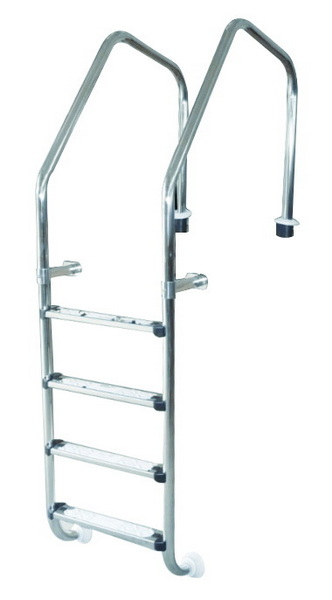
Above ground pool ladders come in several popular styles, each with distinct anchoring requirements to ensure safety:
- A Frame Flip Up Ladder: This ladder has an A-shaped frame with a flip-up feature to prevent unintended pool access. It requires proper anchoring to the pool frame or deck to ensure it stays stable when in use.
- Easy Step Ladder: A popular choice for its large, wide steps filled with sand for added weight and stability. This ladder is usually bolted to the deck, making correct anchoring vital to prevent shifting.
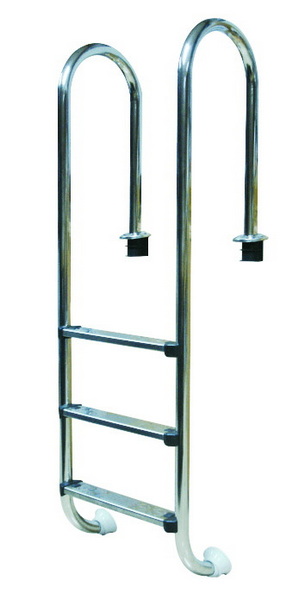
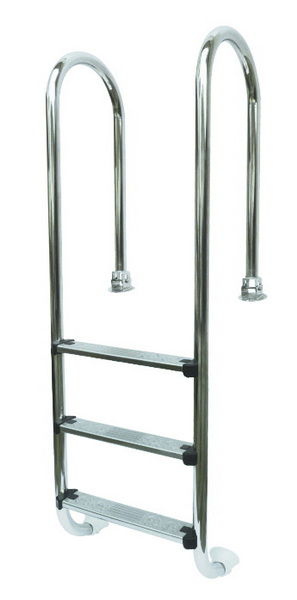
- Stainless Steel Ladder: Known for durability and corrosion resistance, these ladders often come with mounting brackets designed to be securely installed on pool decks or solid supports.
- Inflatable or Lightweight Plastic Ladders: These ladders usually have less heavy anchoring but should still be positioned securely to avoid tipping or slipping.
Understanding your ladder type is the first important step in the anchoring process.
Before beginning installation, gather the necessary materials and tools:
- Above ground pool ladder and mounting brackets (usually included with the ladder)
- Drill with a hole saw attachment around 1.5 inches in diameter (for drilling into the deck)
- Screws, bolts, and deck flanges or mounting brackets
- Measuring tape and pencil or marker for accurate placement
- Funnel and approximately 40 pounds of sand (for filling sand-fill ladders)
- Wrench or screwdriver to tighten fasteners
- Level (optional, for precise positioning)
Start by fully assembling your pool ladder. Follow the manufacturer's instructions carefully for putting together rails, steps, and safety components. Double-check that all parts fit correctly and that adjustable components align with your pool's wall height. In some models, adjustable feet or extension boots are used to accommodate various pool wall heights.
Place the ladder at the desired location on or alongside your above ground pool. For ladders with an A-Frame design, the ladder legs should rest firmly on the ground or pool frame. For deck-mounted ladders, ensure the ladder rails are aligned over the pool deck surface.
Using a pencil, mark the exact spots where you will drill holes for mounting brackets or deck flanges. Be accurate with measurements because drilling errors can compromise ladder stability or damage your deck.
Drill holes into your deck at the marked points using the drill and appropriate hole saw attachment. Drill perpendicular to the surface to create clean and straight holes for mounting hardware. Safety tip: Wear safety glasses to protect your eyes during drilling.
Insert deck flanges or mounting brackets over the ladder rails. Slip the rails into the drilled holes in your deck and secure the flanges with screws or bolts tightly. For best results, use stainless steel fasteners to prevent rust in wet environments.
For sand-fill ladders like the Easy Step model, carefully pour sand into the ladder's hollow chambers using a funnel to distribute it evenly. Typically, 40 pounds of sand is recommended to provide the necessary weight and prevent the ladder from shifting during use.
After securing the ladder in place, tighten all screws, bolts, and connector parts snugly to ensure no wobbling. Avoid overtightening plastic or nylon nuts to prevent damage. Check the ladder's stability by gently shaking it; there should be no signs of movement.
- Always ensure the ladder is installed on a level surface to prevent tipping or uneven wear.
- Use anti-slip pads or rubber feet on ladder legs, especially on surfaces that may become slippery when wet.
- For pools without a deck, anchor the ladder legs firmly in the ground or on a stable base to prevent sinking or shifting.
- Consider installing a ladder lock or flip-up mechanism to prevent unsupervised access by children.
Proper maintenance will keep your pool ladder safe and functional for many seasons:
- Rinse the ladder with fresh water and mild soap after swimming to remove chlorine, debris, and prevent corrosion.
- Inspect the ladder and anchors for wear or rust regularly, particularly after heavy use or storms.
- Lubricate moving parts sparingly with pool-safe lubricants to keep hinges and locks working smoothly.
- Tighten all mounting hardware before each swimming season and replace any damaged components immediately.
- Cover your ladder or store it indoors in the off-season to avoid weather damage.
- Check if anchor screws or bolts are loose and retighten.
- Verify if the deck holes have enlarged or the mounting brackets are worn out, replace if necessary.
- Confirm the sand fill weight is adequate for sand-fill ladders.
- Use a wire brush to remove surface rust and apply a rust-resistant paint or coating.
- Replace heavily corroded stainless steel components for safety.
- Recheck ladder size compared to pool wall height; adjust with extension boots if available.
- Confirm all parts are included and in good condition.
- Consult professional help if unsure.
Anchoring your above ground pool ladder properly is essential to ensure safety, stability, and longevity. By carefully following manufacturer instructions, marking and drilling precise holes, securing mounting brackets, filling sand ladders correctly, and performing regular maintenance, you create a secure and stable ladder for worry-free pool access. Proper installation reduces risks of accidents and prolongs the useful life of your ladder. Regular checks and timely repairs will keep your pool ladder safe throughout the swimming season, allowing you to enjoy your pool with peace of mind.
Measure from the pool floor or ground level to the top edge of the pool wall. Use adjustable rails or extension boots to fine-tune the ladder height to fit your pool perfectly.
Yes. A Frame Flip Up ladders are designed for pools without decks and include features to secure the ladder legs to the ground or pool frame.
Most sand-filled ladders require approximately 40 pounds of sand poured evenly into the hollow chambers. Refer to your ladder's specific manual for exact weight recommendations.
It is best to inspect anchors and mounting hardware at the beginning of each pool season and after any severe weather, to ensure continued safety.
Yes, stainless steel ladders usually require corrosion-resistant metal mounting brackets and stainless steel fasteners suited to their design and heavy-duty use.


