
Views: 222 Author: Tina Publish Time: 2025-09-29 Origin: Site


Content Menu
● Practical Fixes for a Floating Pool Ladder
>> Fill Hollow Tubes with Sand or Water
>> Upgrade to Stainless Steel Models
● Preventive Maintenance for Pool Ladders
● Safety Risks of a Floating Ladder
● Step-by-Step DIY Guide to Fix a Floating Ladder
● Why Choosing Quality Equipment Matters
● Frequently Asked Questions (FAQ)
>> 1. Why is my pool ladder floating despite being anchored?
>> 2. How do I permanently stop my ladder from floating?
>> 3. Will drilling holes damage my ladder?
>> 4. How long do pool ladder anchors last?
>> 5. Which is better for preventing ladder floating: plastic or stainless steel ladders?
Owning a swimming pool can bring endless relaxation, fun, and outdoor enjoyment, but it also comes with responsibilities. One issue that often frustrates homeowners is dealing with a floating pool ladder. Instead of staying anchored at the bottom or securely fixed to the pool deck, the ladder begins to shift, lift, or even float up when swimmers use it. Besides being inconvenient, this problem poses serious safety risks.
This comprehensive guide will explore why pool ladders float, how to fix them, preventive strategies, and the best equipment to use. We will also provide professional maintenance tips and highlight the difference between low-quality ladders and premium stainless steel versions.
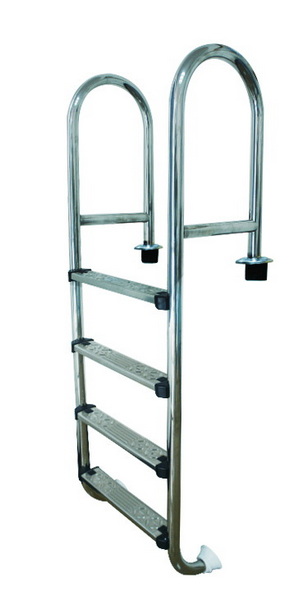
If your pool ladder is rising or wobbling out of place, the issue usually relates to water buoyancy, anchor stability, or poor installation. Below are the root causes:
- Lack of Counterweights: Standard ladders rely on weights, wedges, or stabilizing inserts. Without them, they will naturally rise due to water buoyancy.
- Hollow Tubes Trapping Air: Many ladders are manufactured from hollow stainless steel or plastic tubing. Air gets trapped inside, creating lift that causes the ladder to rise.
- Loose or Corroded Anchors: Most ladder bases are fitted into deck anchor sleeves that hold them in position. If these loosen or rust, the ladder can lose grip and float.
- Lightweight Materials: Plastic ladders, although affordable, weigh less and float more easily than heavy stainless steel ladders.
- Changing Water Levels: Fluctuations in pool water level may disrupt the ladder's tightness in anchors, making it easier for it to lift up.
- Poor Installation: Incorrect installation without securing bolts or stabilizing plates leaves ladders prone to movement.
Fortunately, several methods exist to correct ladder buoyancy problems.
- Insert weight bags designed specifically for pool ladders into hollow tubes.
- Use alternatives like water-filled jugs or custom-made sandbags at the base.
- Ensure the weight is balanced evenly on both sides.
- Inspect your anchor sleeves regularly.
- Tighten bolts using appropriate tools.
- Replace worn-out anchors with durable stainless steel sleeves.
- Use locking wedges for better anchoring.
- Drill small vent holes (rust-resistant treated if steel).
- Submerge ladder slowly, tilting as you push so air bubbles escape.
- Double-check there are no sealed chambers left.
Some pool owners opt to permanently fill ladder rails with sand or water. This adds natural downward force and removes reliance on external weights.
- Stainless steel models resist buoyancy better.
- They are longer-lasting than lightweight plastics.
- Corrosion resistance ensures fewer anchor problems.
The key to avoiding floating ladders is consistent inspection and maintenance.
- Monthly Inspections: Examine ladders and deck anchors for any looseness.
- Check for Rust: Chlorine and saltwater accelerate corrosion. Replace rusty ladder parts promptly.
- Balance Pool Water: Ensure consistent water level and balanced pH to avoid weakening anchor cement.
- Seasonal Cleaning: At the beginning and end of each swimming season, remove the ladder, clean the rails, check anchors, and reapply protective coating if needed.
- Choose Quality Materials: Invest in stainless steel instead of cheap plastic to save long-term costs.
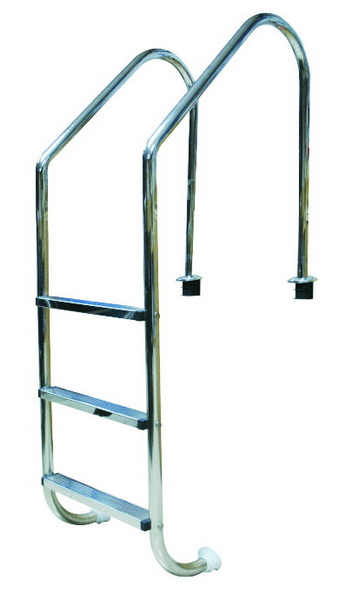
A ladder that floats or shifts instead of staying steady can cause accidents.
- Slipping Hazards: When swimmers step on an unstable bottom rung, it can slip unexpectedly.
- Structural Breakage: Repeated stress on loose anchors causes metal fatigue and breakage.
- Injury During Entry/Exit: Swimmers may grip a floating rail, only to lose balance and injure themselves.
- Risk for Children & Elderly: These groups rely heavily on strong support when entering or leaving the pool. A floating ladder places them at high risk.
Fixing the problem at home doesn't require professional service in most cases.
1. Remove the Ladder from the pool.
2. Empty Any Trapped Air by submerging and tilting the rails.
3. Insert Weights inside the tubes or securely attach external sandbags.
4. Check Cushion Pads at ladder base for grip; replace if worn out.
5. Reinsert Into Anchors firmly, ensuring bolts/wedges are locked.
6. Test Stability by pulling ladder before opening pool for regular use.
Besides fixing the root cause, you can improve ladder stability with additional pool accessories:
- Weighted Ladder Attachments designed to clip onto rails.
- Non-Slip Rubber Mats under ladder steps to increase pool-floor grip.
- Deck Anchor Caps and Covers to prevent dust or rust buildup in anchor sleeves.
- Step Cushions to stabilize the ladder's lowest points.
- Pool Ladder Bumpers to prevent scraping and shifting.
At Guangdong Bestwings Industrial & Trading Co., Ltd., we manufacture not only professional pool filtration systems, sand filters, DE filters, cartridge filters, pool pumps, LED lights, and accessories—but also provide OEM ladder stability solutions for brand owners, distributors, and manufacturers worldwide.
Premium pool components ensure not only cleaner water but safer swimming environments. Investing in quality ladders and filtration solutions helps your pool remain functional for years without costly repairs.
A floating pool ladder may seem like a minor inconvenience, but it can quickly become a significant safety issue if ignored. The causes usually range from missing weights and trapped air to loose anchors and lightweight materials. Solutions include adding proper weights, tightening anchor sleeves, drilling vent holes, filling hollow tubes, or upgrading to sturdier stainless steel ladders.
Preventive maintenance—such as regular inspections, rust checks, and water balance—goes a long way toward ensuring ladders stay safe and stable. For pool owners and operators, a dependable ladder is just as vital as effective filtration systems and pumps. Safety, durability, and reliability should always come first.
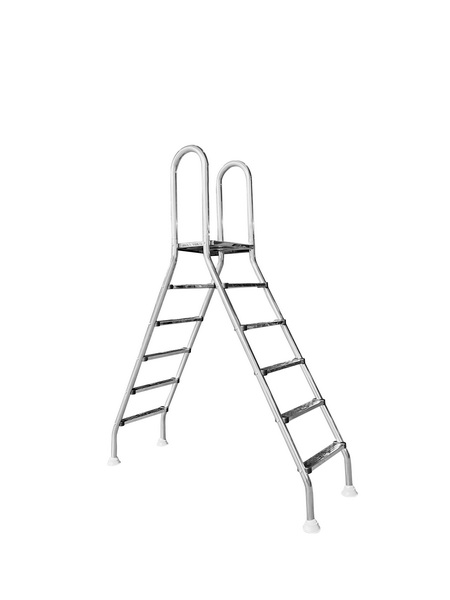
Most likely, it has trapped air inside the rails or lacks sufficient weight at the base.
Fill hollow tubes with sand or water, attach weight bags, and ensure anchor bolts are tightly fastened.
If done carefully and treated with rust-resistant sealants, vent holes will not harm stainless steel ladders. Instead, they release trapped air effectively.
Generally, 5–7 years. However, water chemistry (especially saltwater) and poor maintenance may shorten their lifespan.
Stainless steel ladders are heavier, stronger, and significantly more resistant to floating than plastic ladders.


