
Views: 222 Author: Tina Publish Time: 2025-10-24 Origin: Site


Content Menu
● What Is a Pool Filter Cartridge?
● Typical Lifespan of a Pool Filter Cartridge
● Signs You Need to Replace Your Pool Filter Cartridge
● How to Maintain Your Pool Filter Cartridge
● Factors Affecting Replacement Frequency
>> Pool Size and Filtration Demand
● How to Clean Your Pool Filter Cartridge Properly
● How to Replace Your Pool Filter Cartridge
● Choosing the Right Replacement Cartridge
● Advanced Tips for Cartridge Care and Longevity
● Frequently Asked Questions (FAQs)
>> 1. How often should I clean my pool filter cartridge?
>> 2. Can I extend the life of my filter cartridge?
>> 3. What happens if I delay replacing the cartridge?
>> 4. Are all pool filter cartridges the same?
>> 5. How do I dispose of an old pool filter cartridge?
Maintaining a pool means keeping your water clean and clear, and one of the most important parts of this maintenance is the pool filter cartridge. Many pool owners ask: How often should I replace my pool filter cartridge? This article provides a comprehensive guide to understanding the lifespan of pool filter cartridges, signs of wear, maintenance tips, factors influencing replacement frequency, and practical advice on cleaning and replacement procedures.
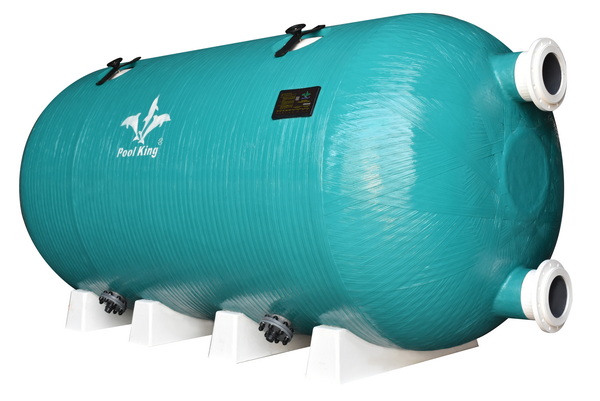
A pool filter cartridge is a pleated filter element inside your pool's filtration system. It traps dirt, algae, debris, and contaminants to keep the water clean and safe for swimming. Over time, these cartridges wear out or clog, reducing their effectiveness.
Generally, a pool filter cartridge lasts between 3 to 5 years with proper maintenance. However, this depends heavily on how often your pool is used, environmental factors, and how well you care for the filter.
- Increased pressure on the filter gauge: When the pressure rises 8 PSI or more above normal even after cleaning, it indicates blockage.
- Frequent cleanings: When the period between cleanings becomes noticeably shorter (about half the usual time), the cartridge is wearing out.
- Cloudy or green water: If cleaning doesn't clear your water or you need to run the filter longer to keep water clear, the cartridge may be failing.
- Physical damage: Tears, broken pleats, or loose bands on the cartridge indicate immediate replacement.
- Regular cleaning: Clean your filter cartridge once the pressure rises 8 to 10 PSI above normal pressure to extend its life.
- Inspect frequently: Check for signs of wear every few weeks, especially during heavy pool use seasons.
- Use quality products: High-grade filtration and compatible chemicals minimize cartridge damage and prolong life.
- Frequent daily use results in needing to replace cartridges more often, sometimes every 6 months.
- Moderate use pools may need replacements every 9 to 12 months.
- Seasonal or rarely used pools might replace cartridges every 18 to 24 months.
- Pools near trees or dusty areas accumulate more debris clogging cartridges faster.
- Weather conditions like heavy rain or wind can introduce more contaminants.
- Larger pools or those with higher water volume stress the filter more, sometimes shortening cartridge life.
- Proper cleaning and chemical balance prolong filter cartridge life.
- After pool parties, algae treatment, or contamination, replacing the cartridge can prevent debris recirculation.
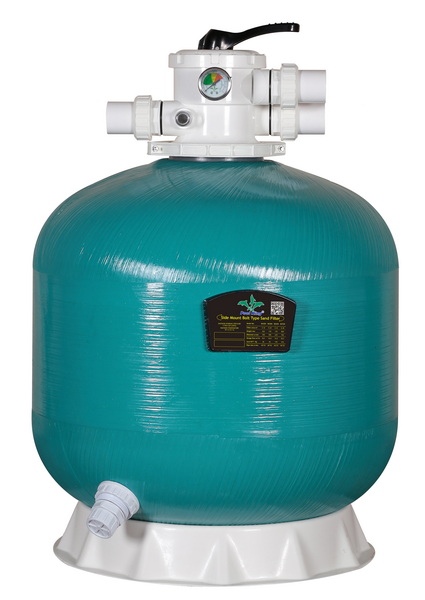
Cleaning the cartridge is essential to maximizing its lifespan. Follow these steps:
1. Turn off the pool pump and release pressure by venting the filter canister.
2. Remove the filter cartridge carefully from the housing.
3. Use a garden hose to rinse off large particles and dirt, focusing on cleaning between the pleats.
4. Soak the cartridge in a specialized cleaning solution to remove oils and finer debris. Cleaning solutions can be purchased from pool supply stores.
5. Scrub gently with a soft brush to ensure thorough cleaning without damaging the pleats.
6. Allow the cartridge to dry completely before reinstalling it to prevent mold and bacterial growth.
7. Reinstall the cartridge carefully, ensuring proper seating and sealing of the filter lid and O-ring.
Regular and thorough cleaning can also save money by postponing replacement.
Replacing the cartridge is straightforward:
1. Turn off and unplug the pool pump.
2. Vent the filter canister to relieve pressure.
3. Remove the clamp or collar securing the filter housing cover.
4. Take out the old cartridge and dispose of it according to local regulations.
5. Insert the new cartridge, lining it up properly with the bottom spigot.
6. Replace the lid and secure the clamp or collar without over-tightening to prevent damage.
7. Open valves on suction and return lines, bleed air from the system via the air bleed valve.
8. Turn on the pump and check for leaks or unusual noises.
Selecting the correct filter cartridge ensures optimum performance. Consider:
- Model and make: Identify your filter manufacturer and model number, usually found on the filter housing or the cartridge itself.
- Size and dimensions: Measure cartridge length, outside diameter, and top and bottom diameters precisely.
- Pleat count and material: Higher pleat counts provide better filtration but may cost more.
- Compatibility: Use cartridges designed for your filter system to avoid damage and ensure efficiency.
- Quality: Opt for reputable brands offering filters with antimicrobial treatments and durable polyester materials.
- Monitor filter pressure regularly to detect early signs of clogging.
- Clean the cartridge at end of swimming seasons and before reopening pools in spring.
- Balance your pool chemicals to reduce cartridge degradation.
- Avoid harsh chemicals in cleaning; use pool-specific cartridge cleaners.
- Replace the cartridge immediately if physical damage like cracks or tears is found.
Replacing your pool filter cartridge at the right time is essential to maintaining clean, clear, and healthy pool water. Most cartridges last between 3 to 5 years, but usage intensity, environment, and maintenance habits can require more frequent replacements. Regular monitoring using your filter pressure gauge, proper cleaning, and timely replacement preserve your pool's water quality and reduce strain on your filtration system. When replacing, ensure compatibility and quality to keep your pool running smoothly.
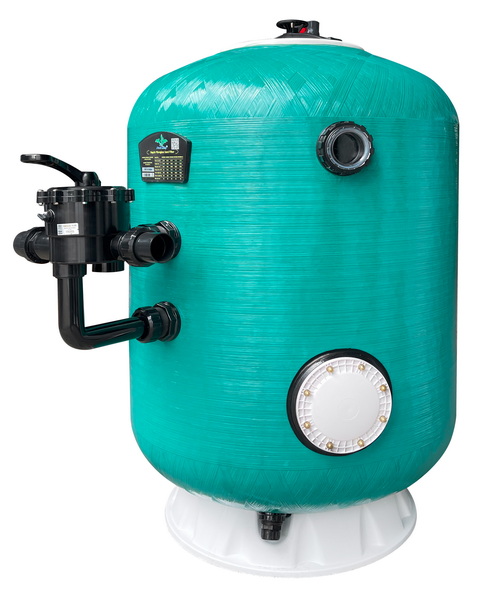
Clean the cartridge whenever the pressure gauge reads 8-10 PSI above normal to maintain optimal filtration.
Yes. Proper cleaning, balanced pool chemicals, and minimizing heavy contamination increase cartridge lifespan.
The filter becomes less effective, leading to cloudy water, algae growth, and increased strain on your pool pump.
No. Cartridges vary by size, pleat count, and material. Always use the one recommended for your filter system.
Check local regulations; many cartridges can be disposed of as regular waste, but recycling programs may be available.
[1](https://poolsoffun.com/your-complete-guide-to-pool-cartridge-filters/)
[2](https://mrpoolman.com.au/blogs/news/pool-filters-the-ultimate-guide)
[3](https://flamingopools.com.au/blog/pool-filter-replacement-guide)
[4](https://leisurepools.com.au/wp-content/uploads/2020/11/Equipment-Accessory_INSNRG_Ci_Cartridge_Filter_OwnersManual.pdf)
[5](https://www.backyardcitypools.com/Filter-Cartridges/Replacement-Filter-Cartridges-Guide.htm)
[6](https://www.svadonpoolcn.com/comprehensive-range-of-swimming-pool-filter-cartridges/)
[7](https://www.allfilters.com/blog/pool-cartridge-filter-replacement-guide)
[8](https://diy.inyopools.com/article/the-ultimate-guide-replacement-pool-filter-cartridges/)
[9](https://georgiapoolcleaning.com/diy-tips-for-effective-pool-filter-cleaning/)
[10](https://nationaldiscountpoolsupplies.com/blog/simple-3step-pool-spa-cartridge-filter-measuring-guide/)


