
Views: 222 Author: Tina Publish Time: 2025-10-29 Origin: Site


Content Menu
● Understanding Your Pool Filtration System
● Calculating Your Ideal Filter Hours
>> 1. Calculate Your Pool Volume
>> 2. Establish Your Pump's Flow Rate
● Expert Recommendations in Detail
● The Role of Water Temperature, Usage, and Debris
● The Impact of Filter Type and Pump Technology
● When Should You Run Your Pool Filter?
● Extended Guide: Comprehensive Pool Filter Maintenance
>> General Maintenance for All Filter Types
>> Cartridge Filter Maintenance
● Energy Optimization and Filter Automation
● Troubleshooting and Signs of Filtration Problems
● Complete Visual Education Resources
>> 1. How do I know if my pool filter run time is enough?
>> 2. Can I split my filter schedule into multiple cycles each day?
>> 3. How often should the pool filter media be replaced?
>> 4. Do variable-speed pumps need longer run times?
>> 5. What's the risk of under-filtration?
Maintaining crystal-clear pool water isn't just about adding chlorine or algaecide—effective filtration is paramount. Every pool owner, brand, wholesaler, and manufacturer faces the essential question: How long should you run your pool filter each day? This article delivers a thorough answer, combining practical calculation guides, in-depth maintenance tips for various filter types, seasonal advice, and rich visual education resources. Whether you use sand, cartridge, or DE filters, follow this expert guidance to maximize equipment performance and water quality.
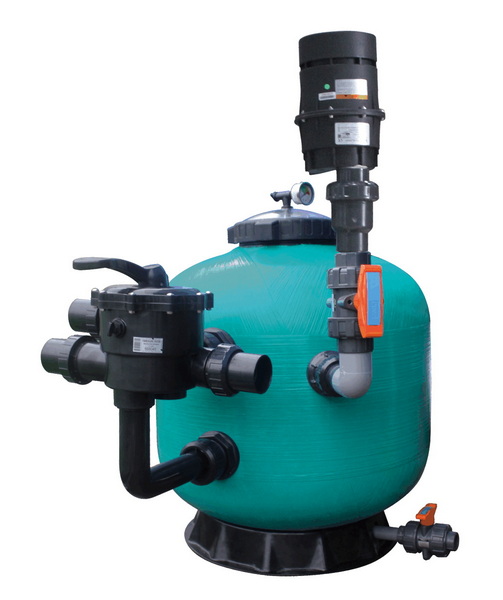
A pool filter works by circulating water through a filter medium, trapping dirt, debris, and contaminants that would otherwise cloud your water. There are three main types widely used worldwide:
- Sand Filters: The most common for residential pools, relying on fine sand to trap particles down to 20–40 microns. Sand filters require periodic backwashing to flush out debris and maintain efficiency.[1][7]
- Cartridge Filters: Made from pleated polyester, these trap finer debris (10–15 microns) and offer water savings since they don't require backwashing. Instead, cartridges need regular rinsing and soaking to remove buildup.[5][1]
- Diatomaceous Earth (DE) Filters: Using fossilized diatom powder, DE filters provide the finest filtration (down to 2–5 microns), ideal for premium water clarity. Maintenance of DE systems is more involved, requiring both backwashing and regular powder replacement.[7][1]
Filtration run time refers to how many hours a day your pool water circulates through the filter. The consensus among professionals is that you must achieve at least one full turnover—a complete cycle of all pool water passing through the filter—every 24 hours for healthy, safe swimming conditions. Some prefer two turnovers for intensive usage or challenging environments.[11][12]
To determine the best daily runtime:
Volume (gallons)=Length (ft)×Width (ft)×Average Depth (ft)×7.48
Check your pump's specifications for the flow rate in gallons per minute (GPM).

For example, if your pool holds 20,000 gallons and your pump is rated at 40 GPM:

Different conditions affect filtration demand:
| Condition | Recommended Daily Run Time |
|---|---|
| Average season, typical weather | 8–12 hourslesliespool+1 |
| Hot summer (>80°F/27°C) | 12–18 hoursintheswim+1 |
| Cold or off-season (<60°F/15°C) | 4–6 hoursintheswim |
| Heavy use/high debris/after storms | +1–2 hours as neededintheswim |
Water temperature is a key factor:
- Below 60°F (15°C): 4–6 hours
- 60–70°F (15–21°C): 6–8 hours
- 70–80°F (21–27°C): 8–12 hours
- Above 80°F (27°C): 12–18 hours
Higher bather loads (more swimmers) and increased leaves, pollen, or dust in the pool also mean you should run the filter longer to maintain clarity.[14][11]
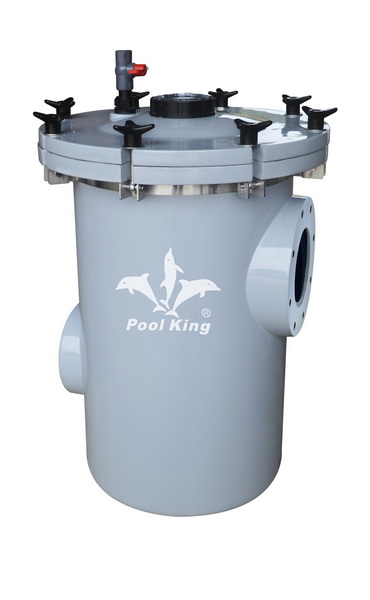
- Sand filters need consistent backwashing and may require slightly longer daily operation.
- Cartridge filters offer finer filtration with less water loss, suitable for shorter but frequent cycles.
- DE filters provide ultra-clear water with relatively shorter run times, though maintenance must be frequent and diligent.[1][5][7]
Variable-speed pumps allow extended low-RPM operation, improving efficiency. Some energy-conscious pool owners run variable-speed systems for up to 24 hours on low settings for maximum turnover at minimal cost.[12][16]
Daytime filtration is ideal due to direct sunlight triggering algae growth. Running the filter between 8am and 8pm keeps water circulating, disperses chemicals, and discourages biological growth. However, if your local utility offers off-peak rates, consider scheduling part of your filtration cycle overnight.[17][18]
Clean, efficient filters don't just happen—they're made with regular, thorough maintenance practices. Neglecting filter cleaning causes cloudy water, poor circulation, chemical imbalance, and can damage your pump and heater.[6][5][7][1]
- Monitor filter pressure gauge regularly.
- Clean cartridges or backwash sand/DE when pressure rises 8–10 psi above base.
- Inspect for leaks, cracks, or signs of wear.
- Balance pool water chemistry to avoid overworking the filter.
- Replace aging filter media/components per manufacturer recommendations.
- Backwash every 4–6 weeks or when pressure increases.[7]
- Replace sand every 3–5 years for optimal performance.[5][7]
- Thoroughly rinse after backwashing before returning to regular operation.
- Add filter cleaning solution to tackle biological buildup or oils.[1][5]
- Clean every 2–4 weeks with hose spray; soak in cleaner for deep cleans.[3][5]
- Inspect for tears, cracks, or fraying each cleaning.[3]
- Replace cartridge every 1–2 years.[5][1]
- Deep clean monthly during peak usage; allow to dry fully before reinstalling.[5]
- Backwash regularly—typically once a month or when cloudy water appears.
- Disassemble and deep-clean grids every 3–6 months; replace DE powder after every backwash.[7][5]
- Inspect each grid for damage before reassembling.
- Clean with designated DE filter cleaning solutions per manufacturer instructions.
- Spring: Inspect, assemble, and start filtering early—catch algae before it blooms.[5]
- Summer: Clean at least twice as often; pools see heavy use, more sunscreen and organic debris.
- Fall: If pools are open, clean strainer baskets and remove falling leaves regularly.
- Winter: Drain the whole system to prevent freeze damage, store cartridges dry, and backwash thoroughly before closing.[5]
Modern automation controllers let you fine-tune run times, split cycles throughout the day, or ramp up speed when needed. Variable-speed systems are the gold standard—running low and long maximizes filtration, reduces energy and noise, plus extends equipment life.[16][12]
Tips for best energy use:
- Clean baskets, filters, and skimmers weekly.
- Use programmable controllers to avoid peak electricity costs.
- Monitor pump amps and system pressure digitally for remote troubleshooting.
If your pool is cloudy, has visible debris or green patches, or the chemical test kit shows strange results, check the following:
- Are you running the filter enough hours, based on season and pool usage?
- Is the pressure gauge in the normal range—or has it risen or dropped unexpectedly?
- Are the filter media clean (sand, cartridge, DE powder)?
- Do you notice leaks, cracks, or noisy operation?
- [How To Clean Your Pool Filter Cartridges Yourself & Save Money](https://www.youtube.com/watch?v=YHt247GVMVQ)[19]
- [POOL SAND FILTERS 101: Easy Operating Guide for Beginners](https://www.youtube.com/watch?v=VmXdio44FTY)[20]
- [How Long Should You Run Your Pool Pump?](https://www.youtube.com/watch?v=9ToRTbckeOw)[21]
Professional pool maintenance companies also offer filter cleaning services, troubleshooting, and seasonal closing/opening.
The ideal pool filter run time varies according to pool size, filter type, climate, and how often your pool is used. Most pools perform best with 8–12 hours of filtration daily, more during summer or heavy use. Calculate your system's turnover, adjust run time when needed, and maintain equipment carefully for sparkling, safe water. With proper daily schedules and diligent seasonal maintenance, your filter can deliver years of reliable service, cost savings, and great swimming experiences.
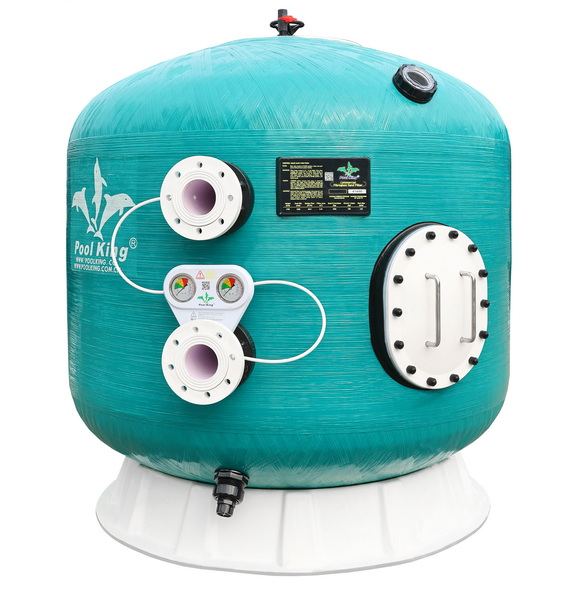
Water should remain clear, and chemical levels stable. If issues arise, incrementally increase runtime and check filter media.
Yes—two shorter cycles often improve circulation and chemical dispersal without increasing energy use.
Sand: every 3–5 years. Cartridge: every 1–2 years. DE powder/grids: powder after each backwash, grids every 5–10 years.
Generally, yes—run longer at low RPM for best filtration and efficiency.
Cloudy water, algae blooms, equipment damage, and possible swimmer health risks.
[1](https://myeverclearpool.com/pool-care/guide-to-pool-filter-maintenance/)
[2](https://halogensupply.com/blog/guide-selecting-best-pool-filter/)
[3](https://poolife.com/2024/01/09/guide-to-cleaning-a-pool-filter/)
[4](https://pool.dreametech.com/blogs/blog/how-often-to-clean-pool-filter-complete-guide)
[5](https://lesliespool.com/blog/the-ultimate-pool-filter-maintenance-guide.html)
[6](https://intheswim.com/blog/pool-equipment-maintenance-guide.html)
[7](https://poollogicsd.com/resources/a-complete-guide-to-pool-filter-cleaning-in-san-diego/)
[8](https://www.doforms.com/blog/pool-maintenance-checklist/)
[9](https://spspoolcare.com/blog/understanding-pool-filters-a-comprehensive-guide/)
[10](https://speckusa.com/pool-maintenance-pool-filter/)
[11](https://lesliespool.com/blog/how-to-calculate-pool-pump-run-time.html)
[12](https://www.millenniumpool.com/blog/how-many-hours-should-i-run-my-pool-pump/)
[13](https://amenitypool.com/blog/8-ways-to-optimize-your-pool/)
[14](https://intheswim.com/blog/how-long-to-run-pool-pump.html)
[15](https://www.riverbendsandler.com/help-advice/pool-school-how-often-should-a-pool-pump-run-in-the-summer/)
[16](https://poolpartstogo.com/blogs/articles/ideal-schedule-for-your-variable-speed-pool-pump)
[17](https://firewoodhoardersclub.com/forums/threads/optimum-time-of-day-and-length-of-time-to-run-pool-filter-pump.37810/)
[18](https://knowledgebase.royalswimmingpools.com/when-is-the-best-time-to-run-my-pools-filtration-system-and-for-how-long)
[19](https://www.youtube.com/watch?v=YHt247GVMVQ)
[20](https://www.youtube.com/watch?v=VmXdio44FTY)
[21](https://www.youtube.com/watch?v=9ToRTbckeOw)


