


Content Menu
● Introduction: The Heart of Every Pool System
● Key Components of a Pool Pump
>> 1. Housing
>> 2. Motor
>> 3. Impeller
>> 4. Diffuser
>> 5. Pump Basket (Strainer Basket)
● Why a Pool Pump Is Essential
● How to Choose the Right Pool Pump
● Maintenance Tips for Pool Pump Longevity
● Energy Efficiency and Smart Pump Technology
● The Role of Pool Pumps in Filtration Systems
● Using Pool Pumps in Different Environments
>> For Commercial and Resort Pools
● OEM and Custom Pool Pump Solutions
>> 1. How long should I run my pool pump each day?
>> 2. How often should I clean the filter connected to the pump?
>> 3. Can I run my pool pump at night?
>> 4. When should I replace my pool pump?
>> 5. What size pump is suitable for my pool?
A pool pump is often called the “heart” of the pool because it drives water circulation — just as a heart keeps blood flowing through veins. It pulls water from the pool, forces it through the filtration system, and returns clean water back to the swimming area. Without a pump, your pool water would stagnate, quickly turning cloudy, dirty, and unsafe.
Modern pool systems often include advanced sand filters, cartridge filters, or DE filters — all of which depend on the pump to push water through their filtration media. In high-performance setups, smart energy-efficient pool pumps play an important role in saving electricity and extending equipment life.
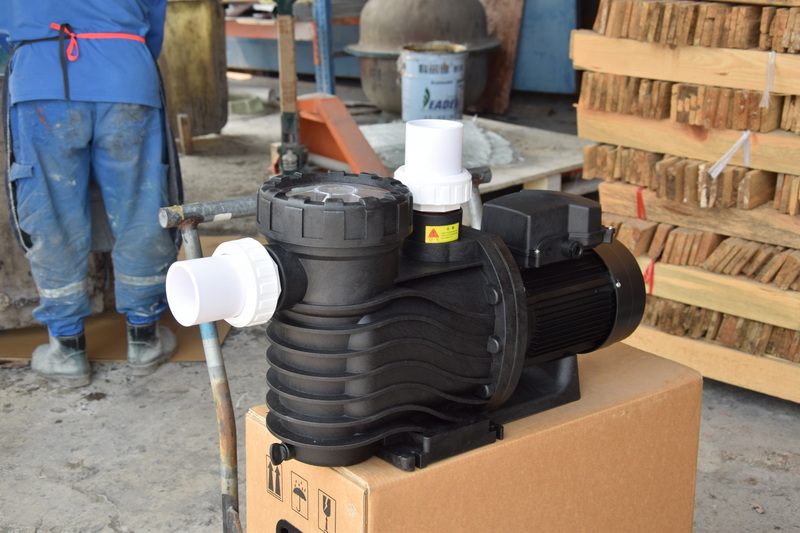
Understanding how pool pumps function helps you recognize their importance. The operation involves three major steps: suction, filtration, and return.
The pump starts by pulling water from the pool through the skimmer and main drain. These openings collect debris such as leaves, dust, and insects. Before the water enters the pump chamber, it passes through a basket strainer that traps larger particles and prevents clogging.
Once inside the pump, a powerful impeller spins rapidly, generating water flow and pressure. The water then moves through the filter — sand, DE (diatomaceous earth), or cartridge type — where smaller particles and contaminants are removed.
Each filter type works differently:
- Sand filters use fine silica sand to trap debris.
- DE filters utilize diatomaceous earth powder for fine-particle filtration.
- Cartridge filters rely on pleated paper elements for easy maintenance.
After filtration, the pump pushes the clean water back into the pool through return jets. This steady circulation helps distribute chemicals evenly, ensuring balanced water chemistry and preventing algae growth.
For a typical pool, this cycle repeats several times a day to maintain optimal water clarity and hygiene.
A pool pump's performance depends on several important parts working together. Each component has a specific role in the overall circulation process.
The pump housing, usually made from corrosion-resistant reinforced plastic, encases the internal mechanisms, protecting them from damage and environmental exposure.
The motor powers the impeller rotation. Motors can be single-speed, dual-speed, or variable-speed. Modern variable-speed motors are energy-efficient and can significantly reduce electricity costs over time.
The impeller is the rotating component that generates water movement. Its design determines the pump's water flow rate and pressure output.
This part guides water efficiently into the impeller, reducing turbulence and maximizing flow consistency.
The basket collects larger debris before the water enters the impeller chamber. Cleaning this basket regularly helps prevent performance loss and pump overheating.
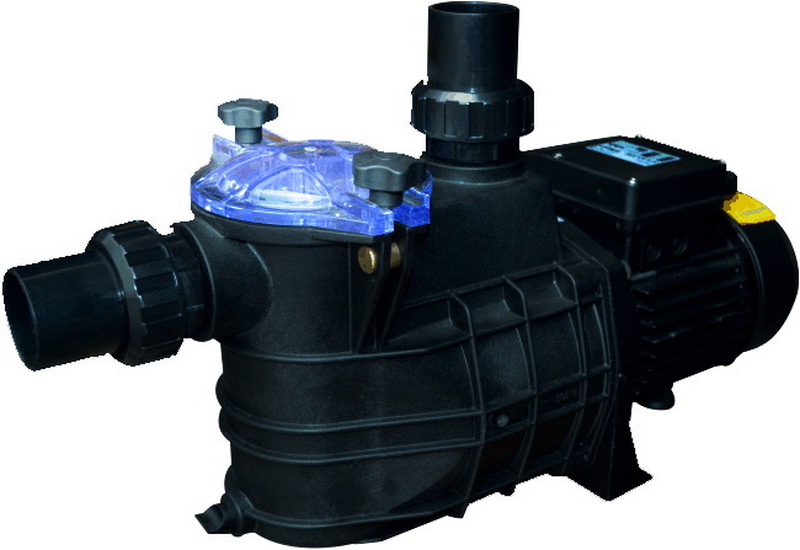
Without a pool pump, several critical systems in your pool would not function properly:
- Filtration: No circulation means no filtration, resulting in stagnant, dirty water.
- Chemical Distribution: Pumps mix and circulate chlorine, pH balancers, and algaecides evenly.
- Heating and Cleaning: Pool heaters rely on flowing water to distribute heat evenly, while automatic cleaners connect to the pump for suction.
- Water Aesthetics: Waterfalls, fountains, and spa jets depend on strong pump pressure for continuous flow.
Choosing the right pool pump depends on your pool size, type, and usage frequency.
Operates continuously at one speed — simple but less energy-efficient. Suitable for smaller residential pools.
Offers two speed options: a high speed for cleaning and filtration, and a low speed for circulation — providing moderate energy savings.
Uses a permanent magnet motor that allows precise speed control. This type saves up to 70% of energy compared to single-speed pumps and operates more quietly.
To select the right pump, consider these key factors:
Larger pools require higher flow rates. Calculate your pool's volume in gallons and ensure the pump can circulate the water at least once every 8 hours.
Ensure the pump's flow rate matches the filter's maximum pressure rating. Oversized pumps can stress filters and cause damage.
Choosing ENERGY STAR-certified variable-speed pumps can drastically reduce operational costs.
Look for pumps with advanced noise-reduction features, especially for residential pools near living spaces.
For long-term reliability, choose corrosion-resistant materials like reinforced resin or stainless steel.
Proper maintenance ensures your pump operates efficiently throughout the year.
1. Clean the pump basket weekly.
2. Inspect O-rings regularly and apply lubricant to prevent air leaks.
3. Check for leaks around seals or fittings.
4. Avoid running the pump dry, as it can damage the motor.
5. Schedule professional servicing annually to inspect bearings, electrical components, and impeller wear.
Modern pool pumps integrate smart control systems and variable-speed technology. These innovations allow automatic adjustment based on water temperature, pool usage, or filtration cycles.
Some smart pumps also feature Wi-Fi connectivity, enabling remote monitoring and programming via mobile apps. This not only saves energy but also enhances convenience for pool owners.
A pool's filtration system and pump operate as a unified team. Your factory, for instance, manufactures sand filters, DE filters, and cartridge filters designed for seamless integration with high-efficiency pumps.
By combining precision-engineered filters and smart flow-controlled pumps, the system achieves:
- Cleaner, crystal-clear water.
- Optimized chemical balance.
- Lower energy usage.
- Extended service life for all components.
Compact variable-speed pumps are ideal for home pools, offering quiet operation and efficient energy use.
Heavy-duty multi-speed pumps with reinforced housings handle high-capacity circulation for resort or hotel pools.
Multi-valve systems allow pumps to switch between pool and spa circuits, ensuring balanced performance for both heating and filtration.
As a professional factory in China, we specialize in OEM production of pool filters, pumps, and accessories tailored for international brands and distributors.
Our intelligent manufacturing lines ensure high precision, consistent quality, and fast delivery — ideal for pool equipment brands seeking private labeling or customized solutions.
A pool pump is the heart of your pool's filtration system — circulating, cleaning, and balancing water to maintain a safe and enjoyable swimming experience. By understanding its working principle, features, and maintenance needs, pool owners can extend the life of both the pump and entire pool system.
Whether you need an energy-efficient variable-speed pump or a complete filtration system, choosing a trusted manufacturer ensures long-term reliability and performance.
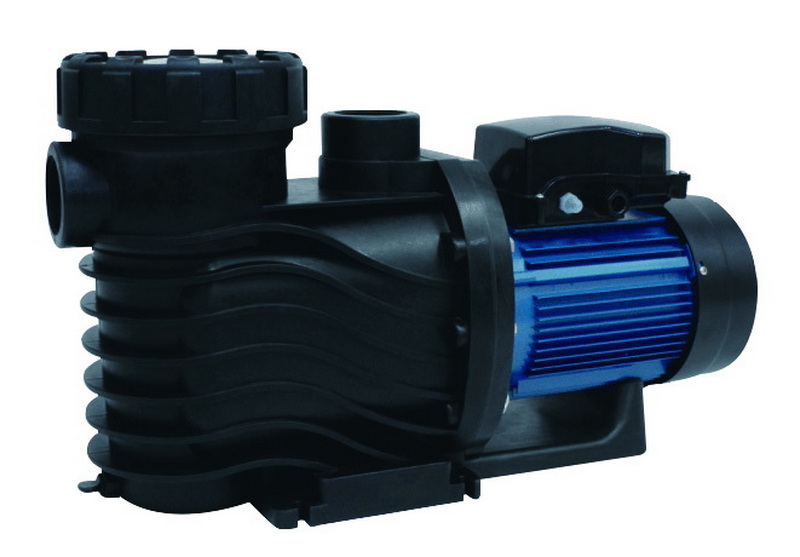
Most pools need 8–12 hours of daily circulation to maintain clarity and chemical balance, though variable-speed pumps can optimize run time automatically.
For sand filters, backwash every 2–4 weeks. Cartridge filters should be rinsed biweekly, and DE filters typically require cleaning once a month.
Yes. Running at night can save electricity, balance temperature fluctuations, and reduce evaporation, especially during warm weather.
With consistent maintenance, a quality pool pump lasts 8–12 years. Replace it if you notice significant noise, reduced flow, or frequent breakdowns.
Calculate based on pool volume and turnover rate. For example, a 20,000-gallon pool typically needs a pump with about 42 gallons per minute (GPM) flow rate.
Would you like this article to include keyword optimization for “pool pumps OEM manufacturer” or keep the current focus purely educational for buyers?


