


Content Menu
● Why Winterize Your Pool Pump?
● When to Winterize: Timing and Preparation
● Preparing for Winterization: Tools & Materials
● Step-by-Step Guide: Winterizing Your Pool Pump
>> 1. Turn Off Power to Equipment
>> 2. Clean Pool and Test Water
>> 3. Backwash and Rinse Filter (Sand/DE Filters)
>> 4. Drain Pool Pump, Filter, and Heaters
>>> For DE Filters and Cartridge Filters:
>> 5. Disconnect All Hoses, Unions, and Fittings
>> 6. Inspect O-Rings, Gaskets, and Seals
>> 7. Store Pump, Filter, and Accessories in Safe Location
>> 8. Winterize Pool Plumbing (Optional, For Colder Climates)
>> 9. Final Check and Documentation
● Advanced Tips for Different Pool Systems
● Storage & Maintenance Best Practices
● Troubleshooting Common Problems
● FAQ
>> 1. Can I skip winterizing if I live in a mild climate?
>> 2. Is it necessary to remove sand from the filter every year?
>> 3. Can I use household antifreeze in my pool equipment?
>> 4. What's the safest way to store my equipment?
>> 5. What happens if I winterize late, after the first freeze?
As the crisp chill of autumn sets in, winterizing your pool pump is one of the most important tasks for any pool owner. Neglecting this step can lead to disastrous consequences, ranging from cracked housings to seized impellers—damage that often results in expensive repairs or full replacement come spring. Whether you own a sand filter, DE filter, or cartridge filter system, protecting your pool equipment is essential to maintaining water quality, saving money, and avoiding headaches. This comprehensive guide, packed with detailed instructions, expert tips, visuals, and video references, will empower you to winterize your pool pump thoroughly and confidently—no matter your pool's configuration.[1][2][3][4][5][6][7][8][9]
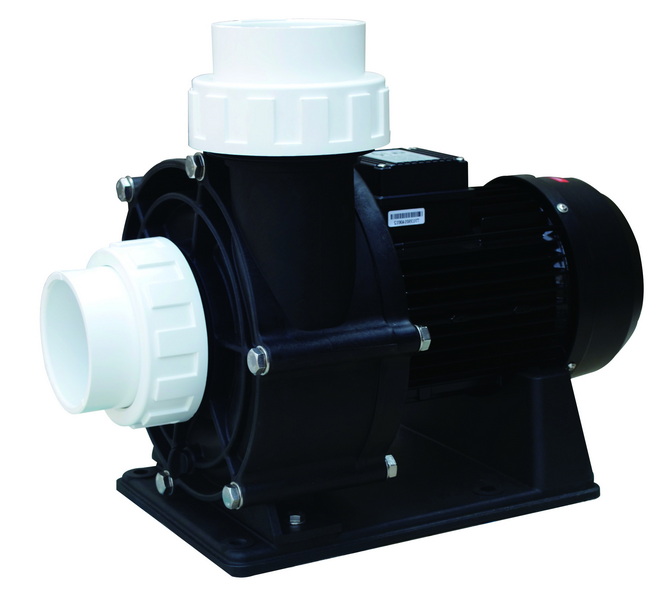
Winterizing is not just an annual chore—it's a smart investment in your pool's longevity. Here's why:
- Protects Equipment From Freeze Damage: Water trapped inside pipes, pump housings, or filter tanks can expand as it freezes and destroy components.[3][5][7]
- Saves Money: Costly repairs and replacements are easily avoided with proper preparation.
- Simplifies Spring Opening: Well-winterized pools open faster, with fewer issues and better water quality.
- Ensures Warranty Coverage: Many manufacturers require proper winterization for warranty eligibility.
- Prevents Algal & Bacterial Growth: Balanced water and clean equipment mean a healthier pool come spring.[8][10]
- Timing: Begin winterizing when overnight temperatures consistently dip below 65°F (18°C), and always before the first hard freeze.[11][12]
- Preparation: Monitor weather patterns and aim for a clear, dry day—cold rain can complicate the process.
Collect these items before starting:
- Pool skimmer & brush
- Pool vacuum
- Water testing kit (pH, alkalinity, calcium hardness)
- Winterizing chemicals (algaecide, shock, chlorine, antifreeze)
- Screwdrivers, wrenches
- Towels, buckets
- Winter plugs/caps for drains/filter/pump
- Lubricant for O-rings/gaskets
- Weather-resistant covers/tarps
- Labels or zip-top bags for storing small accessories
Tip: Organize components in labeled containers or heavy-duty bags for easy reassembly next spring.
Safety comes first—switch off the pool circuit breaker and confirm power is off before handling any hardware.[6][9]
- Skim, Brush, Vacuum: Remove leaves, algae, and debris with your skimmer and brush, then vacuum the bottom thoroughly.
- Test Water: Ensure chemistry is balanced—pH 7.2–7.6, alkalinity 80–150 ppm, calcium hardness 175–275 ppm.
- Add Chemicals: Shock pool, treat with algaecide, and add winterizing chemicals as recommended to prevent growth during downtime.[10][13][8]
- For sand filters, backwash thoroughly until water runs clear. Set multiport valve to “rinse,” then “winterize” or “closed”.[4][7]
- For DE filters, “bump” handle, drain, and rinse grids/fingers.[14]
- Cartridge filters: Remove cartridge, clean, rinse, and store in a dry location.[7]
- Locate all drain plugs—usually on both the pump housing and filter base.
- Unscrew plugs and allow water to fully drain by gravity. Use towels to gently dry inside after draining.
- Place drain plugs in a labeled bag inside the pump basket (never leave plugs installed during winter).[5][15]
- If your system has an inline heater, be sure to drain it completely, following manufacturer's instructions.
- Remove drain cap completely and leave off all winter. Sand remains inside; just ensure water drainage.
- Store filter (if portable) in a frost-free, dry location. For immovable systems, cover the tank securely.
- Remove, rinse, and inspect grids or cartridges. Store them indoors for ultimate protection.
- Remove and drain hoses from pump, filter, heater, and pool returns/skimmers.[4][7]
- Clean hoses thoroughly and hang up or coil loosely—never store with water or tightly kinked, which can cause cracking.
- Check for wear and lubricate O-rings/gaskets before storage.
- Replace any cracked or brittle seals, as winter dryness can accelerate deterioration.
- Store spare O-rings/gaskets with associated hardware.
- Wipe everything down so it's dry to prevent corrosion.
- Store equipment indoors if possible (garage, utility room, shed).
- If outdoor storage is necessary, use insulated covers/tarps to shield against snow, sunlight, and critters.
- For sand filters that can't be moved, ensure multiport valve is set to “winterize” and tank is covered securely.
- Blow out all water from pool plumbing using an air compressor or shop vac.
- Install winter plugs in return lines, skimmer lines, and drain lines.
- Add non-toxic, pool-safe antifreeze to plumbing as extra freeze protection (never use automotive antifreeze).[13][11]
- Double-check that all drain plugs are removed, all fittings are disconnected, and all equipment is dry.
- Tag or label key locations (hose ends, unions) to simplify spring reassembly.
- Take photos of setup before and after winterizing for future reference.
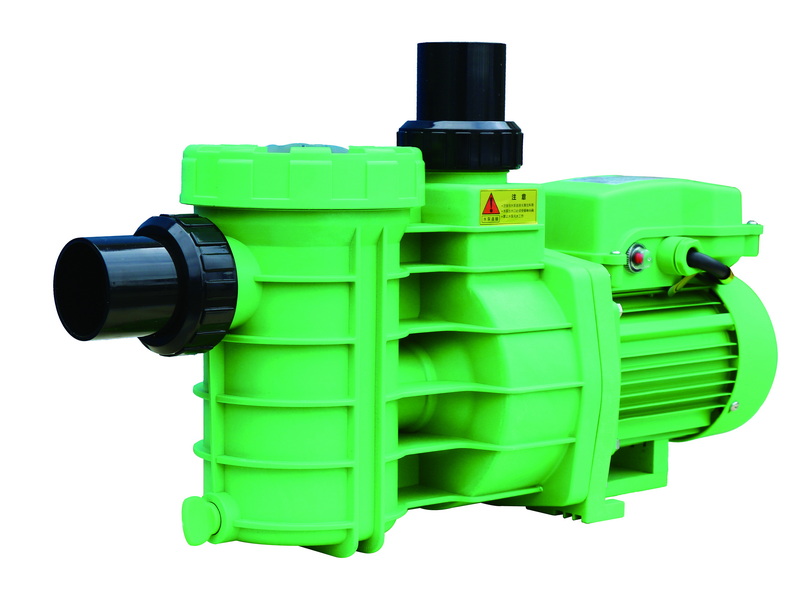
- Variable Speed Pumps: Consult your owner's manual—some programmable models require additional winter setup steps.
- Saltwater Systems: Neutralize salt cell as directed and store controller indoors.
- Automated Valves/Controllers: Remove batteries and store electronics in a dry, heated location.
- Group all hardware together—drain plugs, hoses, fittings, O-rings—in a labeled tote or bag.
- Do NOT store pump/filter equipment directly on cold concrete; use pallets, rubber mats, or wooden planks to allow airflow and prevent condensation.
- Cover equipment with tarps or manufacturer-supplied winter covers for maximum protection.
- Pump Won't Drain: Inspect drain plug, remove blockages, check for tilt that prevents full drainage.
- Sand Filter Feels Heavy: Confirm water is fully drained (sand stays inside, but water should come out).
- Missing Accessories: Search carefully; check strainer basket, labeled bag, and pump housing before closing.
- Frozen Water in Equipment: If discovered, do NOT force plugs—allow to thaw naturally before removal.
Winterizing your pool pump is a crucial annual routine that protects your valuable equipment, ensures smooth seasonal transitions, and keeps your pool system healthy for years to come. By following the detailed steps outlined above—cleaning, draining, disconnecting, and storing—all while referencing expert visuals and video tutorials, you'll avoid costly freeze damage and make your spring pool reopening effortless. Whether you manage a sand filter, DE system, or cartridge filter, these best practices and troubleshooting tips equip you for long-term success as a pool owner.
You should always check your local forecast. Even mild climates can have occasional freezes, which may crack pumps and pipes. It's safer to winterize thoroughly as a preventive measure.
No—only drain the water fully. Sand typically lasts 4–5 years and only needs changing as part of regular maintenance, not annual winterization.[7]
No—only use pool-safe (propylene glycol-based) antifreeze, which is non-toxic and specifically made for swimming pool plumbing.[11]
Indoors in a dry, frost-free location is best. If your pump and filter must stay outside, ensure all water is drained, and cover securely with an insulated tarp.[15][7]
If water freezes inside the pump or filter, do not attempt to force removal—let it thaw naturally, then drain. Examine equipment for cracks before restarting in spring.[12][3][5]
[1](https://www.poolsuppliescanada.ca/how-to-winterize-a-pool-pump-and-filter.html)
[2](https://www.pentair.com/en-us/education-support/water-education-center/pool-and-spa-education/how-to-winterize-a-pool.html)
[3](https://www.raypak.com/how-do-i-winterize-my-pool-equipment/)
[4](https://www.youtube.com/watch?v=lJKaeu3wFJM)
[5](https://www.swimmingpoolsteve.com/pages/pump-winterizing.html)
[6](https://www.claffeypools.com/wp-content/uploads/2021/11/Claffey-Pools-How-to-Winterize-your-Pool-Equipment-Step-by-Step.pdf)
[7](https://www.thepoolfactory.com/blogs/pool-care/sand-filter-system-how-to-winterize-for-pool-closing)
[8](https://www.aquamagazine.com/service/article/15121408/winterizing-inground-pools-step-by-step)
[9](https://www.youtube.com/watch?v=JRYhBZVJ_oc)
[10](https://point.com/blog/how-to-winterize-a-pool)
[11](https://www.clubpiscine.ca/en/services-and-tips/pools-piscine/how-to-winterize-your-inground-pool/)
[12](http://old.doughboypools.com/blog/6-step-winterize-above-ground-swimming-pool/)
[13](https://www.apiwater.com/blog/preparing-your-pool-for-winter-a-step-by-step-guide)
[14](https://www.thepoolfactory.com/blogs/pool-care/d-e-pool-filter-system-winterization-steps)
[15](https://galaxyhomerecreation.com/article/winter-plugs-on-your-filter/)
[16](https://poolpartstogo.com/blogs/articles/winterize-and-store-pool-cover-pump)
[17](https://www.youtube.com/watch?v=h-E98s-KtjM)


