


Content Menu
>> Main Causes
● Tools and Safety for Unclogging
● Step-by-Step: Unclogging Pool Cartridge Filters
>> 1. Shut Down Pump and Power
>> 3. Open Filter Housing and Remove Cartridge
>> 4. Rinse and Inspect Cartridge
>> 6. Inspect and Lubricate Seals
● How to Unclog Sand Pool Filters
>> 1. Power Off and Isolate System
● How to Clean and Unclog a DE Filter
>> 3. Dismantle and Clean Grids
>> 4. Reassemble and Recharge with DE
● Pipe, Skimmer, and Line Unclogging
>> Dealing with Stubborn or Recurring Clogs
● Advanced Troubleshooting and Maintenance
>> Annual Maintenance & Deep Cleaning
>> Tips for Commercial Owners and OEMs
● Preventing Pool Filter Clogs
>> Water Quality and Chemistry
● Troubleshooting Quick Reference Table
● Frequently Asked Questions (FAQ)
>> 1. How often should pool filters be cleaned?
>> 2. What does high pressure mean on the filter gauge?
>> 3. Can regular detergents be used for cleaning?
>> 4. When should sand/media be replaced in the filter?
>> 5. Who should I contact for OEM pool filtration supply and technical support?
Maintaining a clean, clog-free pool filter is essential for any pool owner, operator, or OEM partner. Clogged filters lead to cloudy water, equipment damage, and higher operating costs, but with the right techniques, you can restore flow without professional help. This article provides step-by-step unclogging strategies for cartridge, sand, and DE filters, advanced troubleshooting, preventative tips, and rich media references, optimized for search and for lasting pool health.[4][10]
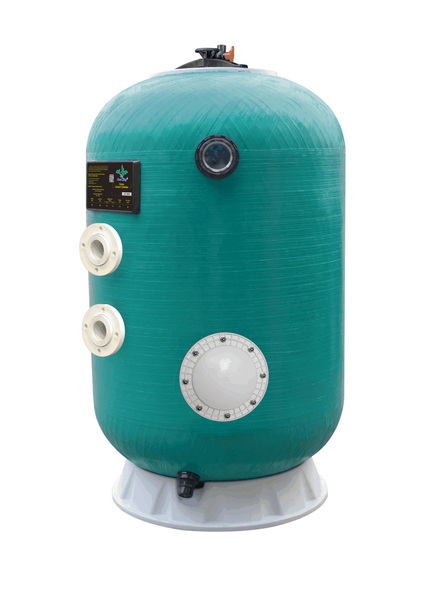
- Leaves, twigs, insects, and hair accumulating in skimmer baskets
- Build-up of body oils, sunscreen, and fine debris inside filter media
- Poor water chemistry creating organic scale or algae
- Airlocks or blockages in suction/return pipes, often from priming mistakes[10][11]
- Filter gauge pressure rising 8–10 psi above normal
- Weak or uneven water flow from pool returns
- Cloudy or dirty water even with filtration running
- Unusual pump noises or difficulty priming
- Automatic pool cleaner stops or moves slowly[4][10]
- Flathead or Phillips screwdriver
- Hose with high-pressure nozzle
- Filter cleaning solution/degreaser
- Rubber mallet for stuck clamps/lids
- Wet/dry vacuum to flush tough blockages
- Replacement O-rings, cartridges, or sand/grids as needed
- Disconnect pool pump power before starting
- Use gloves and eye protection for cleaning and chemical handling
- Release air via the filter bleeder valve before opening housings.[4]
- Ensure all electricity to the pump and filter is disconnected before starting.[1][5]
- Open air relief valve to allow residual air and water pressure to escape the system.[15][1][4]
- Remove tank clamp with a ratchet or screwdriver
- Lift off lid, gently extract cartridge
- Check for cracks, tears, or signs of wear; replace if needed[5][1]
- Hose down the cartridge at a 45-degree angle and rotate to clean pleats[1]
- Remove debris; carefully brush pleated surfaces if there's stubborn grime[5]
- Immerse cartridge in filter cleaner or TSP solution for 3–12 hours, longer for heavy oils/algae[1][5]
- Optional: Muriatic acid bath (1:20 ratio water:acid) for mineral or calcium buildup; rinse thoroughly afterward[5]
- Repeat cleaning until water from pleats runs clear
- Clean and lubricate O-rings with silicone paste for optimal sealing[5]
- Place cartridge back, secure housing and clamp
- Prime the pump, check for leaks, and observe gauge pressure as system cycles
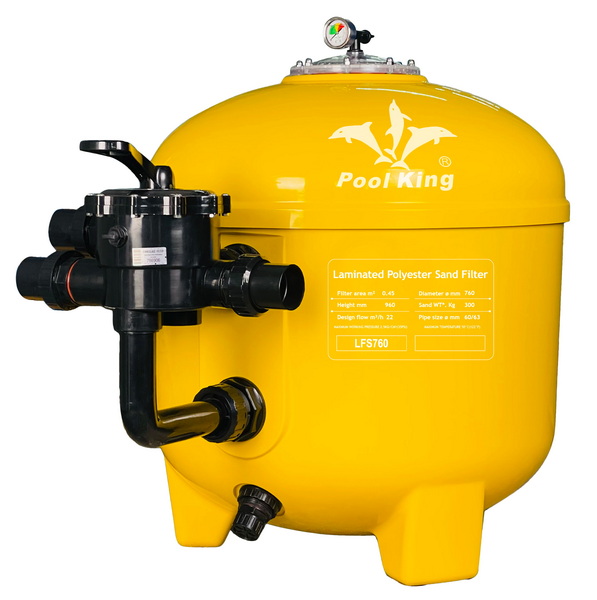
- Disconnect pump and ensure safety before backwashing[6][10]
- Switch multiport valve to “Backwash”
- Open waste line valve, run pump until sight glass runs clear (2–3 min)[10][4]
- Move valve to “Rinse,” operate for 30 seconds, then reset to “Filter”[10]
- Remove pump and skimmer baskets; clear visible debris[6]
- Insert a Drain King or pressure cleaning hose into the intake, close other valves, and flush debris back to the pool[6]
- Repeat as required, until water flow normalizes
- Open filter housing, check for sand channeling/hard spots
- Replace sand every 3–5 years or when filtration is poor
- Power off pump and open air relief valve[7][4]
- Set multiport valve to “Backwash”
- Run until sight glass water is clear[7]
- Open drain plug, let water, DE powder, and debris flow out
- Carefully open filter tank, remove DE grids/manifolds
- Rinse each grid thoroughly with hose, inspect for tears or scaling
- Soak grids in filter cleaner/TSP if needed, rinse well[7]
- Replace cleaned grids, close tank, add new DE powder through the skimmer as per system specs[4]
- Turn pump off, unplug from power[6]
- Remove skimmer and main drain covers, clear visible debris
- Insert pressure cleaner or wet/dry vacuum to intake, close all other valves[6]
- Turn on hose and watch debris blow back into pool
- Repeat from return lines if necessary[6]
- Inspect pump impeller for trapped debris (if flow remains low)
- Use endoscopic camera for deep inspection in commercial or larger pools[2]
- Indicates internal filter or pipe blockages—even after cleaning or backwashing
- Inspect for torn cartridges/grids, channeling sand, or pipe leaks[3]
- Replace filter media if normal pressure does not return
- Inspect filter media every season; replace as needed
- Clean housing and manifolds with mild detergent or degreaser for top performance[5]
- Lubricate and replace all O-rings/seals at least annually[5]
- Use professional-grade equipment for high-volume pools
- Schedule routine cleaning with digital logs
- OEM partners should request custom filter specs and service plans for branded installations
- Empty skimmer/pump baskets weekly; brush and vacuum pool often
- Backwash or clean filters on a set schedule relative to pool use
- Maintain balanced water chemistry to prevent scaling and algae
- Inspect all seals, manifolds, and plumbing for wear or leaks[9][10][4]
- Test water weekly for pH, chlorine, alkalinity, and calcium
- Address algae or bacterial blooms quickly (shock treatment as recommended)
- Use clarifiers only as directed to avoid media buildup
For OEMs and large installations, consider:
- Multi-stage filtration systems for superior clarity
- Automated filter cleaning/backwashing controls
- High-capacity pumps and variable-speed systems
- LED indicators for pressure and water flow feedback
- Smart controllers with remote alarms for maintenance scheduling
| Problem | Cause | Solution |
|---|---|---|
| High pressure gauge | Filter is clogged | Clean or backwash filteramenitypool+1 |
| Still cloudy water | Media worn or lines blocked | Replace media, clear linespurposepools+1 |
| Pump not priming | Airlock or block in intake | Bleed system, inspect impelleryoutubemrpoolman |
| Recurring clogs | Poor basket/skimmer cleaning | Increase maintenance frequencyamenitypool |
| Water leaks | O-rings or seals damaged | Inspect, clean, replace sealsinstructables |
Regular filter unclogging is essential for clear water, safe swimming, and reliable pool equipment performance. With easy-to-follow step-by-step methods for every filter type, plus advanced troubleshooting and preventative tips, anyone can tackle clogged pool filters without expensive services. As a premium OEM partner and manufacturer, our factory supplies world-class sand filters, pumps, LED lighting, and all pool essentials—customized for brands, wholesalers, and professional pool service firms worldwide. For bulk orders, private label manufacturing, or bespoke filtration solutions, reach out today to unlock the industry's best in filtration technology.
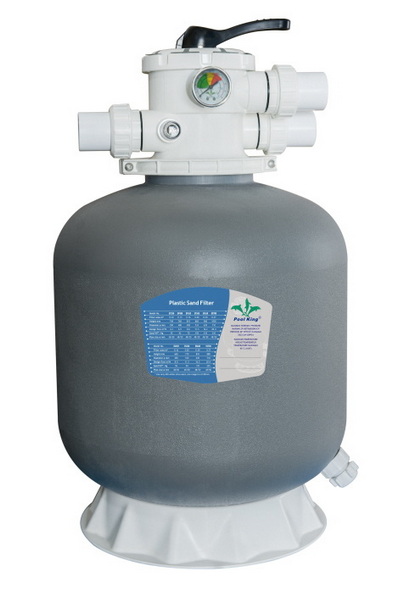
Cartridge filters: every 1–2 months or when pressure rises 7–10 psi above baseline. Sand: backwash when pressure is high or monthly. DE: clean every 4–6 weeks or after heavy pool use.[7][10]
High pressure signals a clog in the filter media or lines. Clean or backwash filter and check for pipe or impeller blockages.[3][4]
Use only approved filter cleaners or TSP. Avoid harsh household detergents (especially those with bleaching agents).[5]
Sand should be replaced every 3–5 years; DE grids when torn or worn; cartridge elements as needed for damage or heavy fouling.[10][7][5]
For top-quality filters, pumps, lights, and accessories with OEM branding, custom specs, and volume discounts, contact our expert team for tailored solutions and global service.
[1](https://pool.dreametech.com/blogs/blog/how-to-clean-a-pool-filter-a-comprehensive-guide)
[2](https://www.youtube.com/watch?v=GD2WDU_VJo0)
[3](https://purposepools.com/a-complete-guide-to-troubleshooting-your-pool-filter/)
[4](https://naplespool.com/how-to-unclog-a-pool-filter/)
[5](https://www.instructables.com/How-to-Clean-a-Pool-Cartridge-Filter-System/)
[6](https://mrpoolman.com.au/blogs/news/how-to-unclog-your-pool-lines)
[7](https://poolie.com/blog/cleaning/de-pool-filter/)
[8](https://www.facebook.com/groups/637529959937311/posts/2269998570023767/)
[9](https://georgiapoolcleaning.com/best-practices-for-cleaning-pool-filters/)
[10](https://amenitypool.com/blog/what-if-your-pool-filter-gets-clogged/)
[11](https://www.petersenproducts.com/articles/how-to-clear-a-clogged-pool-line-without-calling-a-plumber.html)
[12](https://www.alamy.com/stock-photo/swimming-pool-filter-basket-clogged.html)
[13](https://www.gettyimages.com/photos/cleaning-pool-filter)
[14](https://stock.adobe.com/search?k=pool+filter+cleaning)
[15](https://www.youtube.com/watch?v=YHt247GVMVQ)
[16](https://www.youtube.com/watch?v=Isq6OXqeoXM)
[17](https://www.youtube.com/watch?v=B_HHnHpN9C0)
[18](https://www.youtube.com/playlist?list=PLD13B4EF8AB358B02)
[19](https://www.youtube.com/watch?v=XVZdw7RFKnQ)
[20](https://www.shutterstock.com/search/swimming-pool-filtration)


