
Views: 222 Author: Tina Publish Time: 2025-09-27 Origin: Site


Content Menu
● The Importance of Pool Filter Replacement
● Pool Filter Types and Lifespans
>> Sand Filters
>> DE Filters (Diatomaceous Earth)
● Signs Your Pool Filter Needs Replacement
● Advanced OEM Filtration Solutions
● The Pool Filter Replacement Process: Step-by-Step
>> Preparation
● Sizing and Selecting Replacement Filters
● Extending Filter Life: Maintenance Tips
● Pool Filter Replacement for Commercial Pools
● Preventing Common Filter Replacement Mistakes
● FAQ
>> 1. How often should I replace my pool filter cartridge?
>> 2. What are the main signs my filter needs replacement?
>> 3. Can I extend my pool filter's life?
>> 4. How do I choose the right replacement filter?
>> 5. Should sand and DE filters be replaced as often as cartridges?
Maintaining a clean, healthy, and sparkling swimming pool is increasingly reliant on the effectiveness of its filtration system. Whether one manages a home pool, a commercial aquatic facility, or operates as a distributor for international clients, understanding the replacement schedule for pool filters is foundational to achieving optimal water clarity and a safe swimming environment. This comprehensive guide brings together expert advice, illustrated process steps, video tutorials, and advanced OEM solutions to answer the essential question: how often should pool filters be replaced?[1][11]
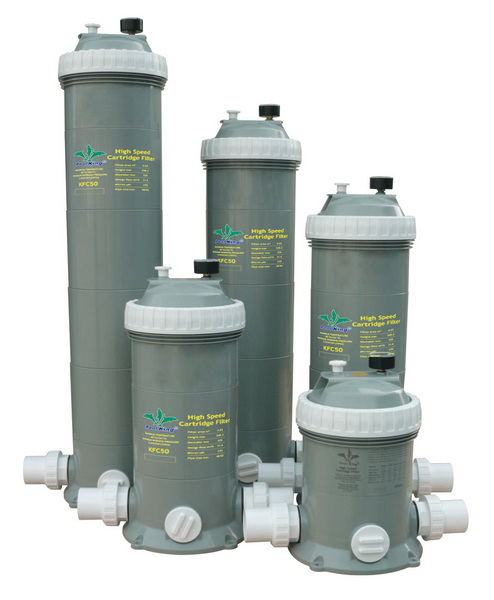
Pool filters serve as the frontline defense system, trapping dust, debris, bacteria, algae, and other contaminants before they degrade water quality. Over time, the media or components inside filters—whether sand, DE grids, or cartridge fibers—wear out, leading to diminished performance. This breakdown impacts chemical efficiency, increases maintenance costs, and can allow unsafe water conditions.[12][13]
- Degraded or clogged filters decrease circulation, making it harder to balance chemicals.
- Neglecting replacement may result in higher electricity and chemical consumption, and damage to pumps.[14][15]
- Typical lifespan: Every 1–2 years, but high-quality cartridges can last up to 3–5 years with diligent maintenance.[9]
- Usage, pool size, cleaning frequency, and water contaminants all influence cartridge longevity.[9][12]
- Cartridges should be cleaned when pressure increases by 8–10 psi or at least every six months, whichever comes first.[16][9]
- Damage such as tears, discoloration, or collapsed pleats signals the need for replacement.
- Sand media inside the filter should be replaced every 3–7 years for optimal filtration.[5][11][18]
- The filter housing itself may last around 8–10 years if properly maintained.
- Rounded sand grains lose their edge, making filtration less effective until a media change is performed.
- Backwashing restores performance temporarily, but not indefinitely.
- DE powder needs refreshing with every deep clean or after backwash.
- The DE grids (fabric mesh) usually last 5–10 years.[22]
- Grids should be inspected for rips or collapsed mesh at every cleaning.
Pool filter deterioration often presents itself through water clarity problems, pressure gauge readings, and the need for frequent maintenance. Telltale symptoms include:
- Persistent pressure spikes (8–10 psi or more above starting baseline) after cleaning.
- Cloudy, discolored, or green water despite regular chemical balancing.[13][14]
- Decreased water flow from pool returns.
- Deteriorated filter media: visible tears, worn-out pleats, broken bands, or missing grid segments.[5][12][13]
- Rapid accumulation of debris and reduced intervals between cleanings.[9]
Modern filter manufacturers use automated machinery and advanced materials to produce cartridge, sand, and DE filters with improved durability and precision. OEM (Original Equipment Manufacturer) services enable international brands, wholesalers, and swimming pool builders to order custom solutions that optimize size, fit, and longevity.
- Automated production ensures consistent pleating, more robust end caps, and chemically resistant polymers.
- Sophisticated filter designs can include antimicrobial surfaces and enhanced flow channels.[23]
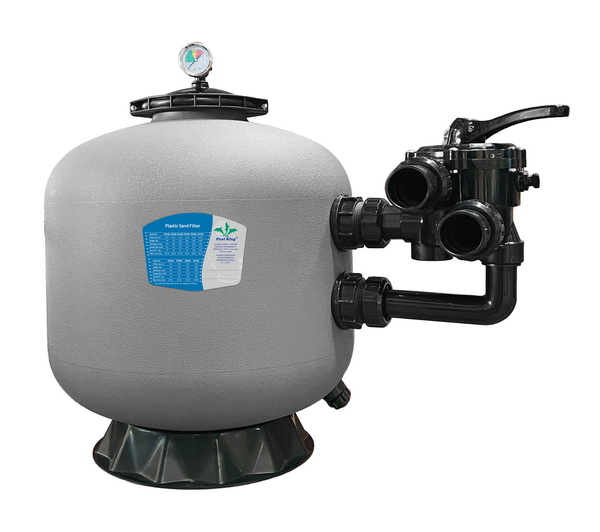
Before beginning, gather all required materials:
- Replacement filter (matching size, type, and specifications)
- Filter cleaner or degreaser
- Lubricant for o-rings and gaskets
- Rubber mallet (if needed)
- Socket wrench and screwdriver
- Teflon tape for watertight pipe connections
These tools ensure safety, ease, and proper sealing during replacement.[6][5]
1. Shut off pool pump power and close inlet/outlet valves.[2][6]
2. Bleed off pressure by opening the air relief valve.
3. Drain water from the filter by removing drain caps or plugs.
1. Disassemble the filter housing according to the manufacturer's manual.[8]
2. For cartridge filters, unlock and lift the top cover, slide out the cartridge, and check for debris.
3. For sand filters, remove the multiport valve and use a wet vacuum or scoop to extract old sand.
4. For DE filters, remove and inspect grids, discarding damaged pieces.[18][22][5]
1. Inspect and replace o-rings/gaskets as necessary; lubricate for a tight seal.[5]
2. Place the replacement cartridge, fresh sand, or new DE grids into the housing.
3. Reassemble the housing, ensuring proper alignment and tight fittings.
1. Reconnect all plumbing, secure bolts and clamps.
2. Restart the pump; let water circulate while monitoring for leaks or abnormalities.[6][5]
3. Check pressure gauge and water quality after a few cycles.
Selecting a properly sized filter is essential—choosing a filter rated for pools smaller than the actual capacity can lead to inefficiency and equipment strain. Oversized filters handle higher loads but may require adjustments to backwashing routines. Always consult manufacturer documentation or professional installers for sizing.[6]
If replacing a pump along with the filter:
- Match the original pump capacity unless upgrades are needed.
- When integrating with pool automation or smart controls, ensure compatibility for seamless maintenance.
Regular maintenance can prolong filter life and improve performance:
- Clean cartridges routinely, especially after heavy pool use, storms, or algae outbreaks.[9]
- Rinse and soak cartridges in approved cleaners, taking care to fully clean pleat interiors.
- Do not use high-pressure washers, which may tear fibers and reduce cartridge life.
- Monitor water chemistry; imbalanced pH or excessive chlorine can degrade filter materials.[14][16]
- Backwash sand and DE filters as recommended to gently cleanse without damaging internal components.
- Replace filter media when performance drops, even if manufacturer interval has not been reached.
Large public or commercial pools often require more frequent filter changes due to higher swimmer loads, sunscreen and oil buildup, and stricter water quality standards:
- Cartridge filters may need replacement every season.
- Sand and DE filters may require annual inspections from certified pool operators.
- Bulk OEM sourcing can support rapid replacement schedules and minimize equipment downtime.[23]
Avoid these frequent errors for best results:
- Failing to depressurize system before opening filter housing.
- Installing a mismatched or incorrectly sized filter.
- Reusing worn o-rings, leading to leaks and pressure drop.
- Skipping thorough cleaning of the filter tank before new installation.
- Over-tightening bolts and clamps, risking thread damage.
Replacing pool filters at recommended intervals is an indispensable practice for keeping pools clear, safe, and pleasant year-round. Timely replacement and correct sizing—coupled with regular cleaning and monitoring—safeguard water quality while minimizing operating costs. Leveraging OEM manufacturing advances bolsters product performance and reliability for every segment, from home owners to global pool supply brands. By following this guide and using illustrated media, anyone can master the art of pool filter maintenance and replacement.[1][2][5]
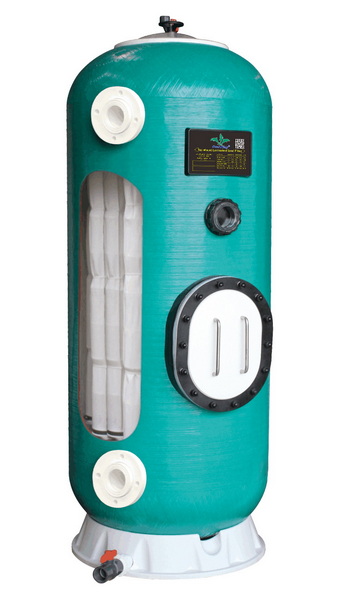
Most pool cartridges should be replaced every 1–2 years, though higher quality models may last up to 3–5 years. Heavy use or poor maintenance can shorten lifespan.[11][12][9]
Key indicators include persistent high-pressure readings, cloudy water, visible damage, and shortened intervals between cleanings.[13][16][14]
Yes, with regular maintenance: proper cleaning, balanced water chemistry, and gentle handling will slow down media deterioration.[16][9]
Match type, size, and model; consult documentation, or seek professional advice. Consider OEM solutions for the best durability and fit.[23][5]
Sand and DE filter media tend to last longer. Sand should be changed every 3–7 years, and DE grids roughly every 5–10 years, depending on use. DE powder gets replaced at each deep clean.[18][22][5]
[1](https://www.allfilters.com/blog/pool-cartridge-filter-replacement-guide)
[2](https://superiorpoolservice.com/how-to-replace-a-pool-filter/)
[3](https://intheswim.com/blog/beginners-guide-to-swimming-pool-filters.html)
[4](https://mrpoolman.com.au/blogs/news/pool-filters-the-ultimate-guide)
[5](https://executivebluepools.com/pool-filter-replacement/)
[6](https://intheswim.com/blog/installing-a-replacement-pool-filter.html)
[7](https://www.youtube.com/watch?v=f4xja-rKYLU)
[8](https://www.pentair.com/content/dam/extranet/nam/pentair-pool/residential/filters/clean-and-clear-family/clean-and-clear-plus/clean-and-clear-plus-guides-manuals/clean-and-clear-plus-install-guide-english.pdf)
[9](https://poolsoffun.com/your-complete-guide-to-pool-cartridge-filters/)
[10](https://rivierapoolsofdallas.com/how-to-replace-a-pool-filter/)
[11](https://www.1stdirectpools.com/blog/post/how-often-should-you-replace-swimming-pool-filter)
[12](https://www.flleisure.com/how-often-do-i-need-to-replace-the-cartridge-filter-element-on-my-pool)
[13](https://www.pinnaclepoolusa.com/blog/how-often-should-you-replace-your-swimming-pool-filter-cartridge)
[14](https://intheswim.com/blog/pool-filter-cartridges-when-to-clean-and-when-to-replace.html)
[15](https://www.reddit.com/r/pools/comments/168nydi/how_often_should_i_change_my_cartridge_filters/)
[16](https://lesliespool.com/blog/pro-tips-cartridge-filters-clean-replace.html)
[17](https://www.istockphoto.com/photos/pool-filter)
[18](https://spspoolcare.com/blog/understanding-pool-filters-a-comprehensive-guide/)
[19](https://www.shutterstock.com/search/pool-filter)
[20](https://www.istockphoto.com/photos/swimming-pool-filter)
[21](https://www.youtube.com/watch?v=dDNVkUtXeic)
[22](https://www.youtube.com/watch?v=AI2DX__y7Rg)
[23](https://www.vitafilters.com/collections/pool-cartridge-filters)
[24](https://www.youtube.com/watch?v=kl2d838Xjg0)


