
Views: 222 Author: Tina Publish Time: 2025-10-31 Origin: Site


Content Menu
● What Determines the Cost to Run a Pool Pump?
● Pool Pump Types and Their Efficiency Impact
>> Dual-Speed and Variable-Speed Pumps
>>> Efficiency Table
● Calculating Pool Pump Electricity Consumption
● Real-Life Pool Pump Monthly and Yearly Cost Examples
● Reducing Pool Pump Operating Expenses
>> 1. Upgrade to Energy Star-Certified or Variable-Speed Pump
>> 2. Optimize Pump Scheduling
>> 4. Maintain Your Filtration System
● Expert Tips for Energy Savings
>> 1. Does a pool pump use a lot of power?
>> 2. Should I run my pool pump 24 hours a day?
>> 3. Do above-ground and in-ground pool pumps cost the same to run?
>> 4. Can switching to a variable-speed pump save money?
>> 5. Are there alternative power sources for pool pumps?
Keeping your swimming pool sparkling clear and safe means running a pool pump regularly — but how much money does this truly cost each month and year? This article explores every aspect of pool pump operation expenses, including what drives your electricity bill, how to calculate your real costs, ways to optimize energy use, and important maintenance tips. Whether you're a new pool owner or a commercial operator looking to optimize savings, understanding pool pump costs is vital.
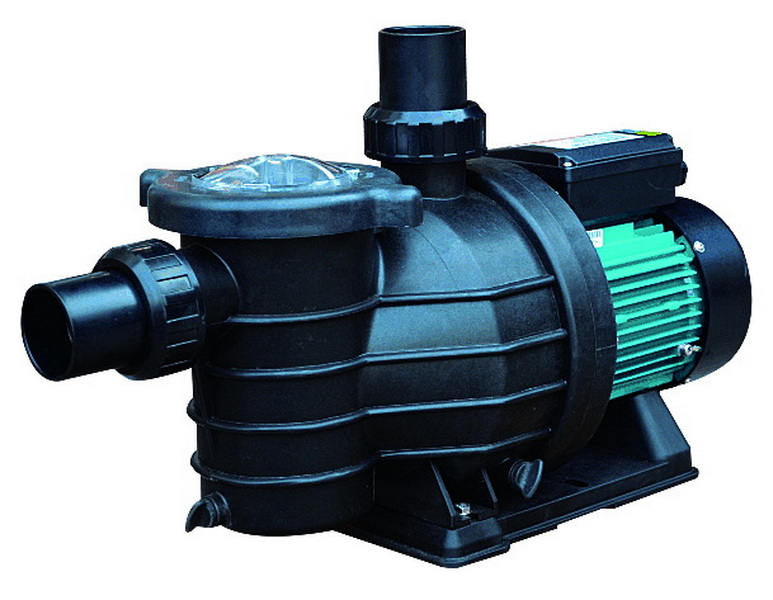
Several factors influence your pool pump's running cost:
- Pump Power (Horsepower and Wattage)
- Operation Hours Per Day
- Pool Size and Filtration Needs
- Type of Pump: Single-Speed, Dual-Speed, Variable-Speed
- Local Electricity Rates
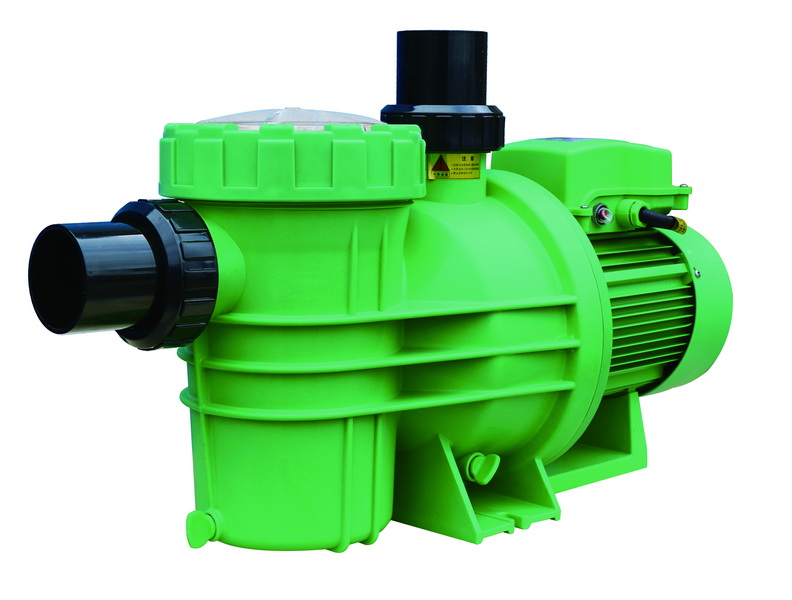
A 1.5–2 HP pump runs at higher power and therefore costs more than a smaller, lower-horsepower model. Most residential pool pumps use between 500W and 2500W, typically running for 8 hours daily.[2]
The type of pool pump you use determines a large share of your operating cost:
- Runs at full power at all times
- Monthly Cost: $75–$150
- Annual Cost: $900–$1,800[4]
- Operate at low speed most of the day, only using high speed when needed
- Monthly Cost: $30–$50
- Annual Cost: $360–$600[4]
- Variable-speed models can save 50–80% on energy compared to standard pumps
| Pump Type | Cost per Month | Cost per Year |
|---|---|---|
| Single-Speed | $75–$150homeguide | $900–$1,800homeguide |
| Dual-Speed | $30–$50homeguide | $360–$600homeguide |
| Variable-Speed | $30–$50nonstopswim | $360–$600nonstopswim |
Calculating the real cost to run your specific pool pump is straightforward:
1. Find your pump wattage: Check label or use Volts × Amps
2. Convert to kWh: Divide watts by 1,000
3. Multiply by daily usage hours
4. Multiply by your local electric rate (\$/kWh)
Formula example:
If you have a 1.5 HP (2000W) pump running for 8 hours/day, and your local rate is $0.16/kWh:
- Daily use: 2,000W×8h=16kWh
- Daily Cost: 16kWh×$0.16=$2.56
- Monthly Cost: $2.56×30=$76.80
- Yearly Cost: $2.56×365=$934.40$2.56×365=$934.40[2]
| State | Electric Rate ($/kWh) | Daily Cost | Monthly Cost | Yearly Cost |
|---|---|---|---|---|
| New Jersey | $0.20 | $3.15 | $94.46 | $1,133.57 |
| Florida | $0.14 | $2.31 | $69.26 | $831.17 |
| California | $0.30 | $4.84 | $145.06 | $1,740.67 |
| Hawaii | $0.41 | $6.48 | $194.45 | $2,333.38 |
| National Avg | $0.16 | $2.55 | $76.56 | $918.72 |
- Cuts running costs by 50–80% over traditional models.[1][2]
- Running for 6 instead of 24 hours reduces energy by up to 75%.[2]
- Use off-peak hours timers.
- Too powerful a pump is wasteful; a 0.75 HP pump suffices for most residential pools.[2]
- Clean filters, tight seals, and properly sized piping reduce drag and energy loss.
- Solar-powered generators cut utility bills and are ideal for sustainable operation.[2]
- Opt for Variable-Speed Models: Can pay for themselves in 2–3 years with savings.[1]
- Use Pool Covers: Reduces evaporation, dust, and chlorine loss.
- Schedule Regular Maintenance: Dirty filters and clogged baskets force pumps to work harder.
- Monitor Power Consumption: Consider using energy meters or smart switches.
- Leverage Smart Controllers: Automate run times and adjust based on pool usage.
Running a pool pump is the largest ongoing energy cost for swimming pool owners, often costing $30–$200 each month depending on efficiency and local electricity rates. However, by choosing modern variable-speed pumps, optimizing run times, and maintaining your filtration system, you can dramatically reduce your monthly expenses. For green-minded or off-grid users, solar-powered solutions further minimize environmental impact and costs. Talk to an expert or OEM pool solutions provider for tailored recommendations matched to your pool's specific needs and usage habits.
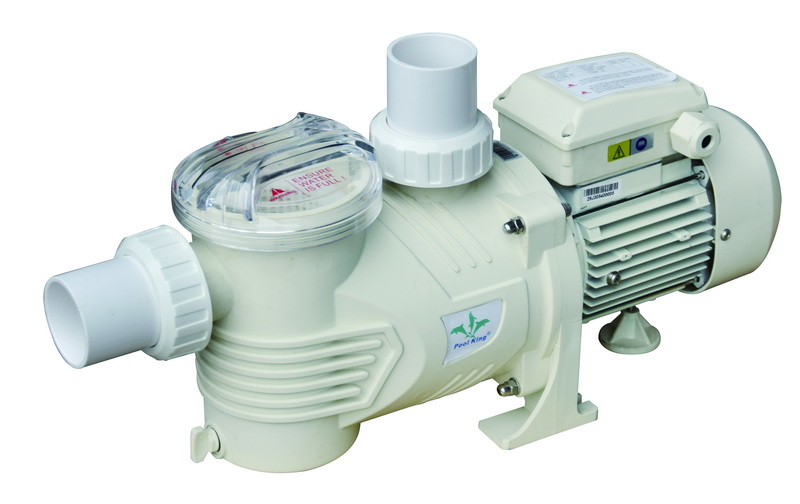
Yes. Pool pumps use between 500W and 2500W, making them one of the most power-hungry pool devices.[2]
No. Typically, 8 hours is enough. Running 24 hours shoots up bills with little extra benefit.[2]
Above-ground models are often smaller and may cost less. In-ground pool pumps tend to be larger and use more power.[4][2]
Absolutely. Variable-speed pumps decrease energy use by up to 80% and run more quietly.[1][2]
Yes, solar generators and panels can run pumps, especially in sunny areas, helping owners save on utility bills.[2]
[1](https://nonstopswim.com/blogs/news/how-much-do-pool-pumps-cost-to-run-your-complete-guide)
[2](https://www.jackery.com/blogs/knowledge/how-much-it-costs-to-run-a-pool-pump)
[3](https://www.istockphoto.com/photos/pool-pump-repair)
[4](https://homeguide.com/costs/how-much-does-it-cost-to-run-a-pool-pump)
[5](https://www.youtube.com/watch?v=rmITGlbmPns)
[6](https://www.youtube.com/watch?v=zOJxixpUPKU)
[7](https://www.youtube.com/watch?v=R5vj4GuA1fc)
[8](https://www.angi.com/articles/cost-to-run-pool-pump.htm)
[9](https://www.reddit.com/r/pools/comments/wel0ek/cost_to_run_pool/)
[10](https://www.agwayenergy.com/blog/how-much-electricity-does-a-pool-pump-use/)
[11](https://castawaypoolservice.com/pool-pump-electricity-consumption/)
[12](https://create.vista.com/photos/swimming-pool-maintenance/)
[13](https://www.inyopools.com/HowToPage/how-to-calculate-the-cost-of-running-a-pool-pump.aspx?CommentPage=1)
[14](https://axiscustompools.com/the-cost-of-owning-a-pool-breaking-down-the-expenses-for-summer/)
[15](https://www.facebook.com/groups/637529959937311/posts/2207075036316121/)
[16](https://www.youtube.com/watch?v=VmXdio44FTY)
[17](https://intheswim.com/blog/costs-of-running-a-pool-pump.html)
[18](https://diy.inyopools.com/article/how-much-are-pool-pump-running-costs/)
[19](https://www.gettyimages.com/photos/pool-pump-repair)
[20](https://www.facebook.com/groups/637529959937311/posts/2636788340011453/)


