
Views: 222 Author: Tina Publish Time: 2025-09-27 Origin: Site


Content Menu
● Why Pool Filter Cleaning is Essential
● Key Factors Determining Cleaning Frequency
● Filter Types and Cleaning Intervals
>> Sand Filters
>>> Sand Filter Cleaning Steps
>>> Cartridge Filter Cleaning Steps
>> DE (Diatomaceous Earth) Filters
● Maintenance Strategies for Filter Longevity
● Signs Your Filter Needs Immediate Cleaning
● Cost and Performance Benefits
● Troubleshooting Common Filter Issues
>> Sand Filters
>> DE Filters
● Table: Pool Filter Types, Frequency and Benefits
● Frequently Asked Questions (FAQ)
>> Q1: What's the fastest sign my pool filter needs cleaning?
>> Q2: Do I need professional help for filter cleaning?
>> Q3: Can over-cleaning damage my pool filter?
>> Q4: How often should the filter media be replaced?
>> Q5: Is proper water chemistry related to filter life?
A well-maintained pool filter is the backbone of every sparkling, healthy swimming pool. Filters work continuously to trap debris, bacteria, and contaminants, keeping water clear and safe for swimmers. Routine cleaning not only preserves water quality but also protects pumps, heaters, and LED lighting from premature wear. For manufacturers and international OEM partners, educating customers on filter care directly impacts user satisfaction and long-term brand reputation.[7][11][6]
- Clean filters prevent accumulation of dirt, algae, and biofilm, which can affect water quality and chemical balance.[11][6]
- Routine maintenance extends the life-cycle of pumps, heaters, and filtration media, minimizing unplanned breakdowns.[8][11]
- Efficient filter operation reduces chemical consumption and energy bills by ensuring unobstructed water flow.[6][8]
The recommended cleaning frequency depends on several considerations:
- Filter type: Sand, cartridge, and DE filters have different cleaning intervals.[12][11]
- Pool usage: Heavy bather loads and frequent use accelerate the need for cleaning.[5][13]
- Environmental influence: Pools exposed to pollen, leaves, dust, or storms require more frequent attention.[5][7]
- Water chemistry: Poor water balance can increase filter fouling.[5]
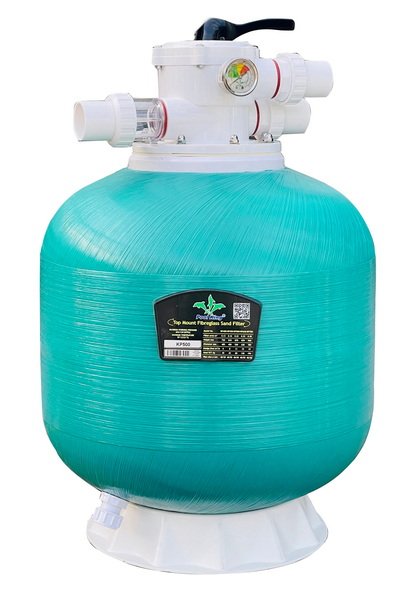
Sand filters are reputable for durability but need regular backwashing, typically every 4-6 weeks, or when the pressure gauge climbs 8-10 psi above the normal mark. Backwashing expels trapped debris by reversing water flow, restoring efficiency:[8][11][5]
- Turn off pool pump for safety.[11][8]
- Attach backwash hose and set valve to “backwash.” Run until discharge is clear.[8][11]
- Switch to “rinse” and run the pump for one minute to clean sand and valve assembly.[11][8]
- Return the valve to “filter,” restart the pump, and monitor performance.[8][11]
- Replace sand every five years for optimal results.[3]
Cartridge filters demand 2-4 month cleaning cycles, but may need monthly attention if the pool is busy or exposed to debris. The cleaning process is gentle, preserving the pleated media:[12][5]
- Turn off pump. Remove cartridge from filter housing.[4][14][3]
- Hose off debris between pleats using 45° spray angle.[14][3]
- Soak in filter cleaning solution overnight for deep cleaning—removes oils and scale.[15][3]
- Rinse thoroughly and inspect for tears or worn spots.[3][4]
- Dry completely and reinstall carefully.[3]
- Replace cartridge every 1-3 years or if fraying is observed.[3]
DE filters offer sophisticated filtration but need consistent care—backwash when pressure jumps 8-10 psi, full grid clean annually, and recharge DE powder after each cleaning.[7][11][8]
- Power off pump, release air via relief valve.[2][7]
- Set multiport valve to “backwash,” run until sight glass or waste line is clear.[2][8]
- Drain tank, remove, and hose off grids.[2][7]
- Soak grids in DE cleaner if greasy or scaled, then rinse and inspect for tears.[2][3]
- Lubricate O-rings, reassemble, and add fresh DE powder as per manufacturer instructions.[7][2]
- Replace DE grids every 5-7 years for performance assurance.[3]
- Record cleaning dates and pressure readings in a dedicated log for troubleshooting.[5][11]
- Test and balance water chemistry weekly to minimize fouling and scale formation.[5]
- Conduct regular visual inspections for leaks, cracks, and filter media wear. Early detection prevents major repairs.[6]
- Use filter-specific cleaning solutions, avoiding harsh chemicals that may damage pleated media or seals.[6][3]
- Store replacement filter media in a cool, dry area to prevent degradation.[3]
- Schedule professional service annually, especially for complex DE systems, or when encountering persistent water clarity issues.[6]
- Pressure gauge increase: When pressure is 8-10 psi above clean level.[11][5]
- Cloudy water: Indicates poor filtration and likely clogging.[6][5]
- Reduced water flow: Visible decrease in skimmer or return flow.[6]
- Debris returns: Suspended particles come back into the pool after filtration.[11][8]
- After heavy storms, increased swimmer use, or visible algae outbreaks.[5]
Routine filter cleaning is a proven strategy for lowering overall pool maintenance expenses. Filters in peak condition:[11][6]
- Reduce the amount of chlorine required for clean water.[11][6]
- Keep pumps running efficiently, reducing electricity costs.[8][6]
- Prolong pump, heater, and LED system lifespan, deferring costly repairs.[6][11]
- Enhance user experience with consistently bright, inviting pool water.[8]
- Issue: Rapid pressure rise after cleaning.
- Solution: Inspect for remaining clogs or scale. Clean thoroughly; replace cartridge if necessary.[4]
- Issue: Filter leaking at housing.
- Solution: Check O-ring condition, lubricate, and ensure proper seating.[14][3]
- Issue: Sand entering pool.
- Solution: Check for cracks in filter laterals or improper valve operation.[8][11]
- Issue: Slow water filtration.
- Solution: Backwash promptly; replace sand after five years.[3]
- Issue: Cloudy water persists after cleaning.
- Solution: Ensure grid assembly is correct, all grids clean and lubricated, DE powder measured properly.[2][7]
- Issue: Frequent grid tears.
- Solution: Replace grids, inspect for over-tightening during reassembly.[2]
| Filter Type | Typical Cleaning Frequency | Key Benefits | Common Maintenance Tasks |
|---|---|---|---|
| Sand | Every 4-6 weeks millenniumpool | Durable, easy backwash | Backwash, sand replace patiopoolsaz |
| Cartridge | Every 2-4 months lesliespool | Fine particle trapping | Rinse, soak, replace poolife |
| DE | 1-2 months poolie | Micro-filtration, safe | Backwash, grid clean, DE powder lathampool |
Proper cleaning of pool filters ensures pristine water quality, extends equipment life, and reduces maintenance costs for commercial and residential pools. Backwash sand filters every 4-6 weeks, clean cartridge filters every 2-4 months, and service DE filters every 1-2 months or with pressure increases. Utilize step-by-step guides, images, videos, and best practices to keep your filtration system efficient and your pool inviting. Regular filter care maximizes energy savings, user safety, and the overall enjoyment of your aquatic investment.[7][11][6]
A sudden pressure gauge increase of 8-10 psi above normal, cloudy water, or visible debris in the pool is an immediate signal your filter needs attention.[5][11]
Most pool owners can handle filter cleaning with manufacturer instructions, but annual professional service is recommended for thorough DE cleaning or complex repairs.[6]
No, but aggressive scrubbing or high-pressure washing can damage cartridge pleats or grid surfaces—always follow recommended cleaning techniques.[4][3]
Sand is replaced every five years, cartridges every 1-3 years, and DE grids every 5-7 years, depending on usage and visual wear.[3]
Yes, balanced water chemistry prevents scale, algae, and fouling, extends filter life, and reduces cleaning frequency.[5]
[1](https://www.pentair.com/en-us/education-support/water-education-center/pool-and-spa-education/cleaning-and-maintaining-your-pool-filters.html)
[2](https://www.lathampool.com/resources/pool-maintenance-hub/how-to-clean-your-pool-filter/)
[3](https://poolife.com/2024/01/09/guide-to-cleaning-a-pool-filter/)
[4](https://www.instructables.com/How-to-Clean-a-Pool-Cartridge-Filter-System/)
[5](https://www.prettypoolsdfw.com/blog/understanding-pool-filter-maintenance/)
[6](https://integritypools.org/southlake-pool-filter-cleaning-guide)
[7](https://poolie.com/blog/cleaning/de-pool-filter/)
[8](https://patiopoolsaz.com/pool-filter-cleaning-maintenance-effective-tips/)
[9](https://intheswim.com/blog/pool-equipment-maintenance-guide.html)
[10](https://www.reddit.com/r/pools/comments/12cru46/pool_maintenance_for_dummies/)
[11](https://www.millenniumpool.com/blog/how-often-you-should-clean-your-pool-filter/)
[12](https://blog.lesliespool.com/the-ultimate-pool-filter-maintenance-guide/)
[13](https://www.youtube.com/watch?v=Ij9aG42snyA)
[14](https://gibsanpools.com/our-blog/how-to-clean-a-pool-filter-cartridge-step-by-step-guide/)
[15](https://poolscouts.com/when-to-clean-your-pool-filter-cartridge-vs-when-to-replace-it/)
[16](https://www.youtube.com/watch?v=YHt247GVMVQ)
[17](https://www.youtube.com/watch?v=B_HHnHpN9C0)
[18](https://www.youtube.com/watch?v=OYWA07UVMwY)
[19](https://www.youtube.com/playlist?list=PL4u1wlA7y4EOqmSVeRKbsWU09V6QDpvZg)
[20](https://www.youtube.com/playlist?list=PLD13B4EF8AB358B02)


