
Views: 222 Author: Tina Publish Time: 2025-10-31 Origin: Site


Content Menu
● Understanding Pool Pump Pressure
● Why Increasing Pool Pump Pressure Matters
● Common Causes of Low Pool Pump Pressure
● Professional Troubleshooting Techniques
● Step-by-Step Methods to Increase Pool Pump Pressure
>> Clean All Baskets and Strainers
>> Backwash or Wash Your Filter Media
>> Disassemble and Inspect Pump Impeller
>> Fix Suction Line and System Leaks
>> Optimize Plumbing Layout and Suction Manifold
>> Upgrade Pumps, Motors, or Filters
>> Electronics and Power Supply Checks
● Advanced Optimization and Hydraulics
>> Fine-Tuning Suction Manifold
>> Variable Speed Pump Programming
● Maintenance Routines for Long-Term Pressure Stability
● Frequently Asked Questions (FAQ)
>> 1. How often should I clean my filter and baskets?
>> 2. What is the ideal pool pump pressure?
>> 3. What causes sudden drops in pump pressure?
>> 4. How does pool size affect pump pressure?
>> 5. Can variable-speed pumps help with low pressure?
Proper pool pump pressure is the foundation for crystal-clear water, healthy circulation, and a worry-free swimming experience. Low pressure jeopardizes water quality and system efficiency, while high pressure risks damaging equipment. This exhaustive guide explains how to increase pool pump pressure using advanced diagnostics, regular maintenance, equipment upgrades, and proven system optimization methods that apply to every pool owner.[2][6][1]
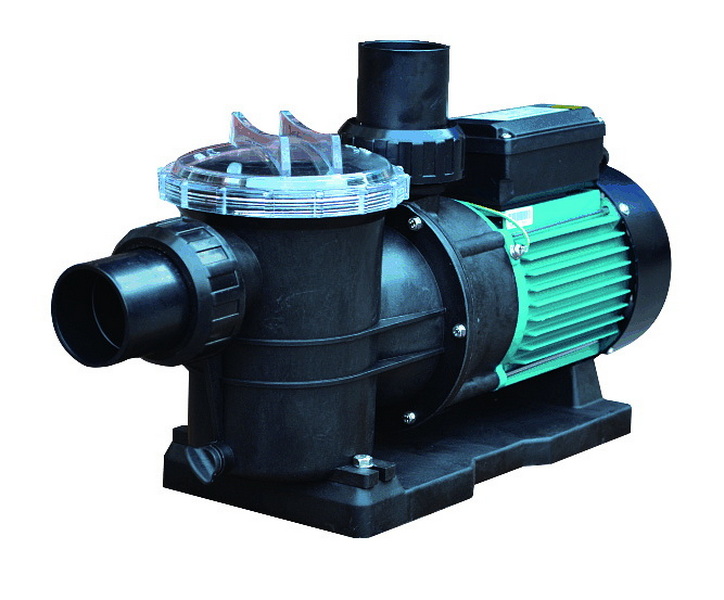
Pool pump pressure stems from the force pushing water through the filtration system. For most domestic pools, the target range is 10–20 psi, but variables like plumbing layout, pool size, and equipment type impact optimal levels. Pressure above or below this window signals blockages, leaks, or system mismatch. Tracking pressure trends helps highlight necessary cleaning or repairs.[5][6][8][2]
- Efficient circulation eliminates dead zones, reducing manual vacuuming.[1][2]
- Enhanced filtration vanquishes contaminants, algae, and suspended particles.[6][2]
- Reduced strain on sanitization chemicals ensures accurate dosing and less wastage.[1]
- Optimized hydraulics lower overall energy use, saving money over time.[6]
- Clogged skimmer and pump baskets: Restrict flow and starve the pump.[3][2]
- Dirty or mishandled filters: Block water, spiking pressure across the filter and starving return flow.[2][1]
- Obstructed impeller: Hair, sand, or leaves jam water passage.[2][1]
- Air leaks: Cracked hoses, worn O-rings, or loose fittings draw air into suction lines, killing pressure.[5][2]
- Water level issues: Evaporation or faulty sensors leave the system sucking air.[1][2]
- Mechanical wear: Worn impellers, cracked housings, or degrading seals drop efficiency fast.[4][2]
- Undersized pump or overloaded system: Too little power fails to keep up with volume or resistance.[4][5]
- Scan for bubbles inside the pump housing, indicating suction-line air leaks.
- Mark the clean pressure baseline on gauge for quick monitoring.
- Check baskets, screens, pipes, and filter housings for visible blockages or damage.[5][2]
- Note jumps or lags in pressure readings, which indicate internal clogs or worn equipment.[8]
- Replace old, inaccurate gauges for reliable diagnostics.
- Place the filter on “recirculate/bypass” mode to isolate filter or plumbing pressure issues.
- Compare readings before and after cleaning, repairs, or equipment swaps to measure impact.[6][2]
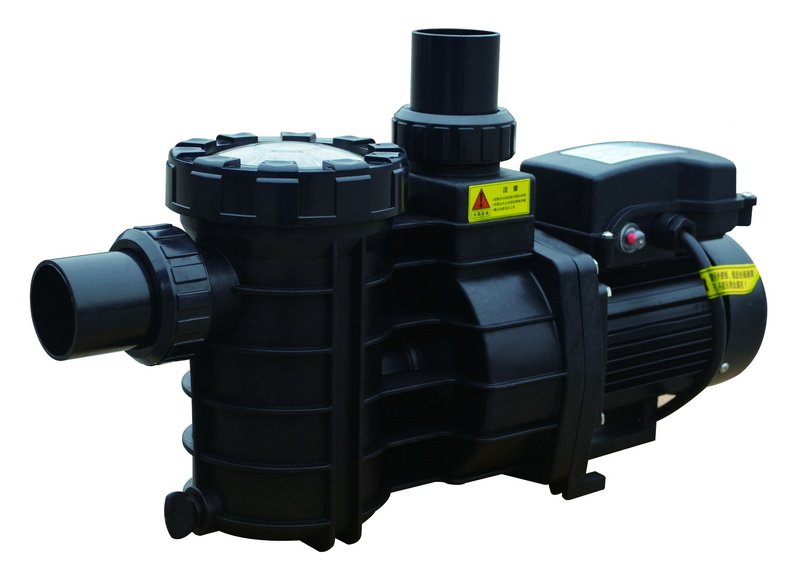
Remove leaves, hair, and finer debris from skimmer baskets and pump strainers. Inspect frequently during heavy use or storms. A clogged basket is the single most common root cause of low pump pressure.[2][6]
- Sand and DE filters: Backwash as soon as pressure rises 8–10 psi above baseline.
- Cartridge filters: Hose off, then soak in filter cleaner; replace if pressure doesn't restore.[3][2]
- Power down, open the pump housing, and clear out debris, sand, or hair.
- If impeller vanes show wear or breakage, replace the part promptly for restored performance.[1][2]
- Inspect all union joints, pump lids, and suction-side plumbing for leaks.
- Replace brittle hoses, gaskets, or O-rings. Lubricate new seals with silicone grease to prevent future leaks.[5][2]
- Confirm the pool water level sits above all suction points, and top up if low.
- Standard pools may use several suction lines (skimmers/main drains). Temporarily closing one line focuses suction, boosting pressure.[6][1]
- If possible, keep equipment pad as close to the water source as practical. Longer plumbing increases frictional losses and drops pressure.[6][1]
- If pool size or plumbing resistance exceeds pump capabilities, upgrade to higher horsepower, variable-speed motors, or more efficient filter systems.[4][1][6]
- Oversized filters always help maintain flow; avoid pumps too small for your pool's total volume.[4][5]
- Fluctuating or low voltage impairs pump motor performance.
- Test dedicated circuits and breaker connections; consult an electrician if needed, especially after repeated pump failures or poor performance.[2]
- Suction manifold valves manage where the pool draws water.
- For debris-heavy pools, keep skimmer valves more open; adjust main drain to 25% flow, skimmer at 75%, maximizing surface cleaning and jet strength.[6]
- Run VSPs at slower speeds for longer periods for quieter, cleaner, and more efficient performance.
- Experiment with settings to find the best balance of pressure, flow, and energy consumption.[6]
- Consider upgrading sand or cartridge filters with higher flow-rate models when replacing media.
- Use eco-friendly filter options for less clogging and longer service intervals.
- Clean baskets and filter media every week, or more if the pool receives heavy use.
- Inspect gaskets and O-rings during every filter cleaning.
- Check pressure gauge at least weekly and replace it every two years.
- Lubricate seals and moving parts after each cleaning session.
- Set filter pressure ‘baseline' with a permanent marker for easy monitoring.
Boosting pool pump pressure is primarily about systematic cleaning, vigilant leak monitoring, regular maintenance, and strategic upgrades. Mark clean baseline readings, inspect equipment frequently, fine-tune plumbing layouts, and upgrade pumps or filters as needed. These steps ensure sparkling water, optimized circulation, and longer system lifespan. For tailored pool filtration and pump solutions, contact our expert OEM team for custom consultations and quotations.[1][5][2][6]
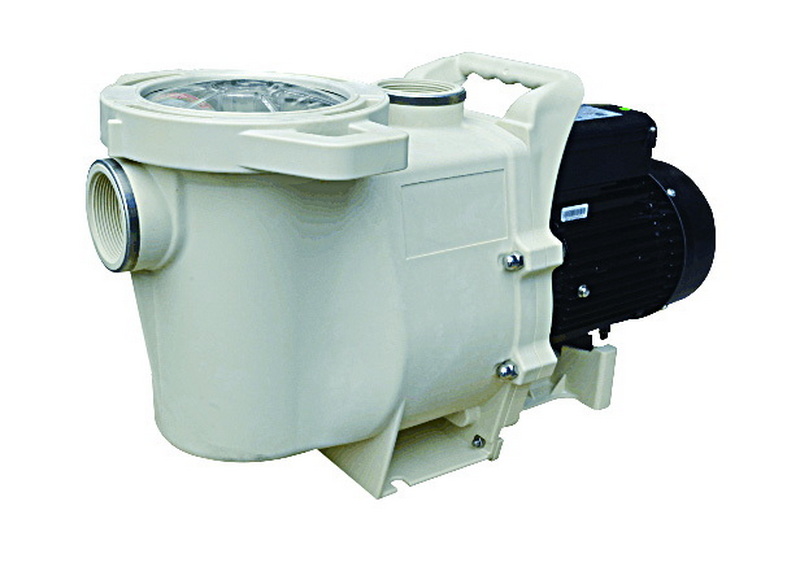
Clean baskets weekly; backwash sand/DE filters whenever pressure rises 8–10 psi above baseline. Replace cartridge filters every 2–4 weeks, sooner if pressure remains low.[2][6]
Most pools operate best between 10 and 20 psi. Mark the clean baseline after thorough cleaning for your pool and refer to it regularly for decision-making.[8][5]
Major causes include clogs, suction-line air leaks, broken gaskets, low water levels, and worn mechanical parts. Address each until pressure stabilizes.[5][2]
Bigger pools require more powerful pumps to maintain circulation. Match the pump size and filter capacity to your pool's total volume and layout for best results.[4][5]
Yes, VSPs with smart programming maintain flow and pressure more efficiently and quietly while dramatically reducing energy costs.[6]
[1](https://diy.inyopools.com/article/boost-your-pool-pump-pressure-effective-tips-and-tricks/)
[2](https://beatbot.com/blogs/pool-care-solutions/increasing-pool-pump-pressure-a-guide-to-identifying-and-solving-pressure-issues)
[3](https://www.mypoolrx.com/pool-care-blog/pool-pump-losing-pressure)
[4](https://mrpoolman.com.au/blogs/news/diagnosing-and-fixing-pool-filter-pressure-problems)
[5](https://nexusengineering.com.pk/learn-what-should-pool-pump-pressure-be-a-guide-to-understanding-appropriate-pool-pump-pressure/)
[6](https://amenitypool.com/blog/8-ways-to-optimize-your-pool/)
[7](https://www.youtube.com/watch?v=3n4zQvMOFJQ)
[8](https://www.swimmingpool.com/maintenance/pump&filter/guide-to-filter-pressure-gauges/)
[9](https://www.inyopools.com/HowToPage/how_to_correct_low_pressure_in_your_pool_system.aspx?CommentPage=1)
[10](https://www.youtube.com/watch?v=k7SVXoBWOdY)


