


Content Menu
● What Happens When a Pool Pump Is Clogged?
● Safety First Before You Unclog a Pool Pump
● Step 1: Check Skimmer Baskets and Pump Basket
>> Inspect and Clean Skimmer Baskets
>> Clean the Pump Strainer Basket
● Step 2: How to Unclog Pool Pump Impeller
>> Signs of a Clogged Impeller
>> Accessing the Impeller (Common Method)
● Step 3: Check the Pool Filter for Blockages
● Step 4: Inspect Suction Lines and Valves
>> Clearing Suction Line Clogs (Basic Method)
● Step 5: Re‑Prime and Test the Pump
● How to Prevent Future Pool Pump Clogs
● FAQs About How to Unclog Pool Pump
>> 1. How do I know if my pool pump is clogged or just has a dirty filter?
>> 2. Can I run my pool pump if it is partially clogged?
>> 3. How often should I clean my pump basket to avoid clogs?
>> 4. What tools do I need to unclog a pool pump safely?
>> 5. Why does my pool pump keep losing prime after I remove a clog?
Owning a swimming pool means dealing with occasional equipment issues, and one of the most common is a clogged pool pump. A clogged pump reduces water flow, stresses your system, and can even burn out the motor if ignored. Learning how to unclog a pool pump quickly and safely will protect your investment and keep your pool crystal clear.
This guide walks through step‑by‑step methods on how to unclog pool pump systems for both in‑ground and above‑ground pools. It also shows when to stop DIY work and call a professional, and how to prevent clogs in the future.
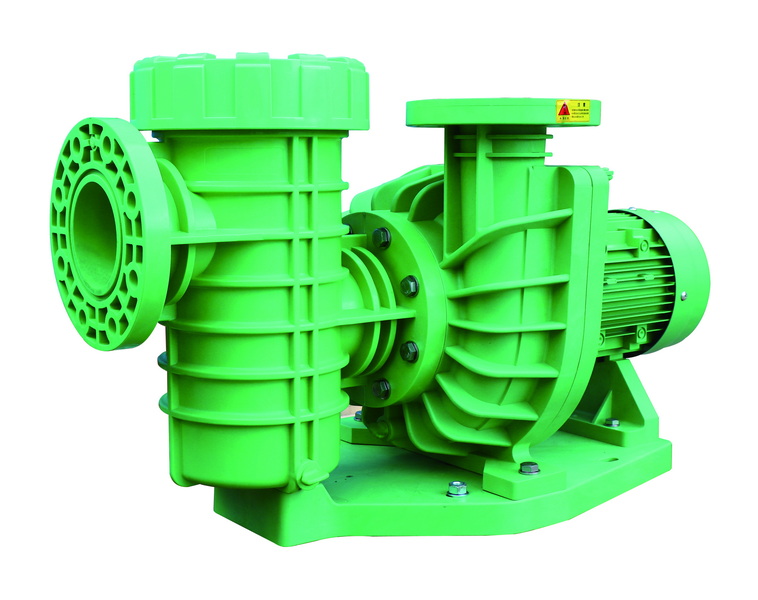
When learning how to unclog pool pump systems, start by recognizing the symptoms. A clog can form in several places: pump basket, impeller, suction line, multiport valve, or filter. Typical warning signs include:
- Weak or no water flow from return jets
- Pump basket not filling fully with water
- Pump losing prime or making gurgling noises
- Higher than normal filter pressure, or sometimes very low pressure
- Air bubbles visible in the pump lid or return jets
- Overheating pump housing or frequent pump shut‑off
From a technical standpoint, the pump is designed for a specific flow rate. When a clog restricts the intake or outflow, the pump runs “starved” or “dead‑headed,” generating heat and cavitation, which can damage the seal, bearings, and motor.
Before actually performing any steps on how to unclog pool pump systems, follow these safety guidelines:
- Turn off all power at the pool equipment breaker, not just at the timer.
- Confirm the pump cannot start automatically (disable schedules).
- Allow hot components to cool down if the pump has been running dry.
- Wear protective gloves and safety glasses, especially when opening pressurized filters.
- Never open a pressurized filter tank before relieving pressure from the air relief valve.
Many “clogged pump” issues actually begin at the skimmer or pump basket. The first stage of learning how to unclog pool pump systems is checking and cleaning these basic components.
1. Turn off pump power at the breaker.
2. Remove the skimmer lid(s).
3. Lift out each skimmer basket.
4. Empty leaves, insects, hair, and any debris.
5. Hose the basket clean and check for cracks or holes.
6. Reinstall the basket and lid securely.
If skimmer baskets are broken or missing, larger debris will travel directly toward the pump, greatly increasing the chances of a clog.
1. With power still off, close suction and return valves (if present) to prevent water loss.
2. Open the pump lid by loosening the clamp or screws.
3. Lift out the pump basket.
4. Remove all debris and rinse the basket using a garden hose.
5. Inspect the basket for damage—replace if cracked or misshapen.
6. Check the pump housing for debris around the impeller eye.
7. Fill the pump housing with clean water to help with priming later.
8. Reseat the lid O‑ring, lubricate with silicone lube if needed, and close the lid tightly.
9. Reopen valves.
If the baskets were full or missing, the impeller often gets packed with fine debris. Understanding how to unclog pool pump impellers is critical, because a partially clogged impeller causes low flow even when the pump “sounds normal.”
- Very low return pressure even with a clean filter
- Pump basket is full of water but circulation is weak
- Motor hums and runs but there is little flow
- Filter pressure may be lower than usual
1. Turn off power at the breaker and verify the pump is off.
2. Close suction and return valves.
3. Remove pump lid and basket.
4. Use a flashlight to look through the suction side toward the impeller.
5. Using a plastic tool, small screwdriver, or bent wire (not sharp enough to damage parts), gently probe the impeller eye and pull out debris like leaves, seeds, hair, or small stones.
6. Rotate the motor shaft by hand (often accessed at the back of the motor) to expose more vanes and continue cleaning.
7. When clear, reinstall the pump basket and lid, open the valves, and prime the pump.
If the clog is deeper inside the wet end, some pumps require partial disassembly: removing bolts around the volute or separating the motor from the pump housing. In those cases, consult the pump's service manual.
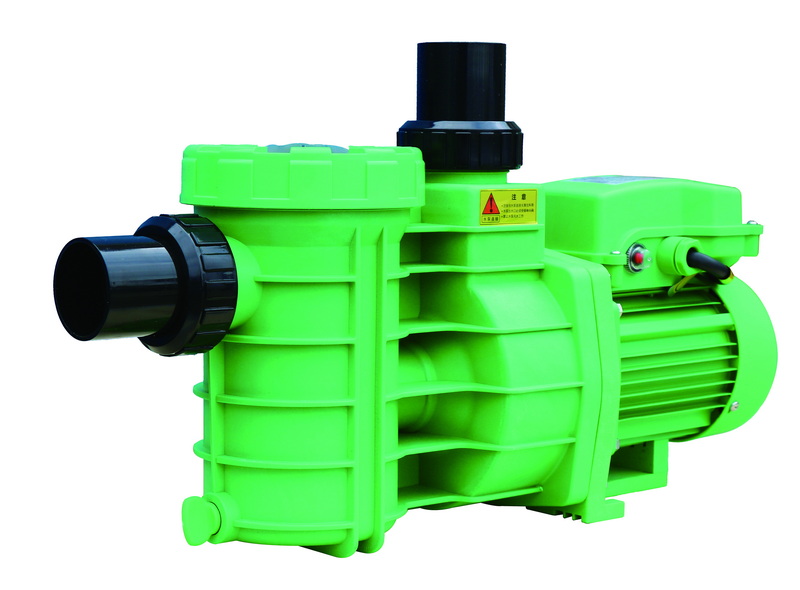
Sometimes learning how to unclog pool pump issues leads straight to the filter. A severely dirty filter can mimic a clog in the pump because it chokes water flow.
1. Turn off the pump and set the multiport valve to “Backwash.”
2. Turn the pump on and backwash until the sight glass runs clear (usually 2–3 minutes).
3. Turn off the pump, set valve to “Rinse,” run for 20–30 seconds, then set to “Filter.”
4. If pressure remains high and flow is poor, the sand bed may be channeled, compacted, or contaminated and might need a deep clean or sand replacement.
1. Turn off the pump and relieve pressure via the air relief valve.
2. Open the filter housing and remove cartridges.
3. Hose each cartridge from top to bottom, spreading the pleats.
4. Soak in filter cleaner solution if heavily soiled with oils or scale.
5. Reassemble and monitor pressure and flow.
1. With pump off, move multiport or push‑pull valve to “Backwash.”
2. Backwash until water is clear.
3. Return valve to “Filter,” start pump, and add the correct amount of fresh DE through the skimmer.
4. If grids are torn or heavily clogged, disassemble the filter for full cleaning.
If, after thoroughly cleaning the filter, water flow is still poor, continue evaluating other parts of the system to fully understand how to unclog pool pump and circulation issues.
Clogs can also occur in suction lines, particularly in pools with heavy leaf loads or if vacuum hoses were used without a leaf canister. In the context of how to unclog pool pump circulation, suction line checks are crucial.
- Observe the pump lid while running:
- Lots of air bubbles or a swirling vortex can indicate a suction restriction or air leak.
- Switch between skimmer and main drain valves (if separate):
- If flow improves when one line is partially closed, the other line might be restricted.
1. Turn off power to the pump.
2. Remove pump lid and basket.
3. Insert a drain cleaning bladder or a garden hose into the pump's suction port.
4. Seal around the hose, then turn on the water to push debris backward toward the pool.
5. Watch the pool for debris suddenly shooting out of the return or skimmer.
6. Once clear, reinstall the pump basket and lid, prime the pump, and test flow.
For more severe blockages, pool professionals may use high‑pressure water jets or plumbing snakes. Do not use metal snakes in PVC pipes unless you fully understand the risks.
Once debris is removed from baskets, impeller, filter, and suction lines, the final part of how to unclog pool pump systems is proper priming and testing.
1. Ensure all valves are in the correct “open” positions.
2. Fill the pump basket housing completely with water using a hose or a bucket.
3. Secure the pump lid with a clean, lubricated O‑ring.
4. Turn on power to the pump.
5. Wait 1–3 minutes for the pump to catch prime; you should see the basket fill with water and air bubbles gradually disappear.
6. Monitor the filter pressure gauge and return jet strength.
A stable filter pressure within the manufacturer's normal operating range and strong jet flow indicate that the process of how to unclog pool pump components has been successful.
While many homeowners can manage the steps above, some situations require expert service. Stop DIY work and call a pool professional if:
- The pump motor hums but will not start, even after unclogging.
- There is a burning smell or visible smoke from the motor.
- PVC plumbing is cracked, leaking, or misaligned.
- The pump must be fully disassembled and re‑sealed but you are not confident in doing so.
- Electrical wiring or control box issues are suspected.
Correct diagnosis is just as important as understanding how to unclog pool pump components. A professional can also recommend upgrades such as variable‑speed pumps, larger filters, or improved suction design to reduce clog risk.
Knowing how to unclog pool pump systems is useful, but prevention saves time and money. Incorporate these best practices into your maintenance routine:
- Empty skimmer and pump baskets at least 1–2 times per week, more often in leaf season.
- Always use a leaf canister when vacuuming a heavily contaminated pool.
- Keep water chemistry balanced to minimize algae, which can clog filters quickly.
- Trim trees and shrubs around the pool to reduce leaf and seed drop.
- Backwash sand/DE filters or clean cartridges whenever pressure rises 7–10 psi above clean starting pressure.
- Inspect pump lid O‑ring and clamps routinely to ensure airtight sealing.
- Consider upgrading to high‑efficiency, debris‑tolerant pumps and high‑capacity filters designed for modern residential and commercial pools.
For commercial or high‑use pools, investing in robust sand filters, multi‑element cartridge systems, and correctly sized pumps significantly reduces how often you need to unclog pool pump lines and components.
Learning how to unclog pool pump systems is a core skill for any pool owner or operator. Start with the simplest causes—skimmer baskets, pump basket, and filter—then move on to impeller and suction lines if flow is still poor. Always cut power before working on equipment, relieve filter pressure safely, and re‑prime the pump carefully after clearing any blockage.
By combining regular preventive maintenance with the step‑by‑step methods described above, you can restore strong circulation, protect your pump from damage, and keep pool water clean and inviting. When clogs are severe or the motor shows signs of failure, calling a qualified technician is the safest and most cost‑effective choice.
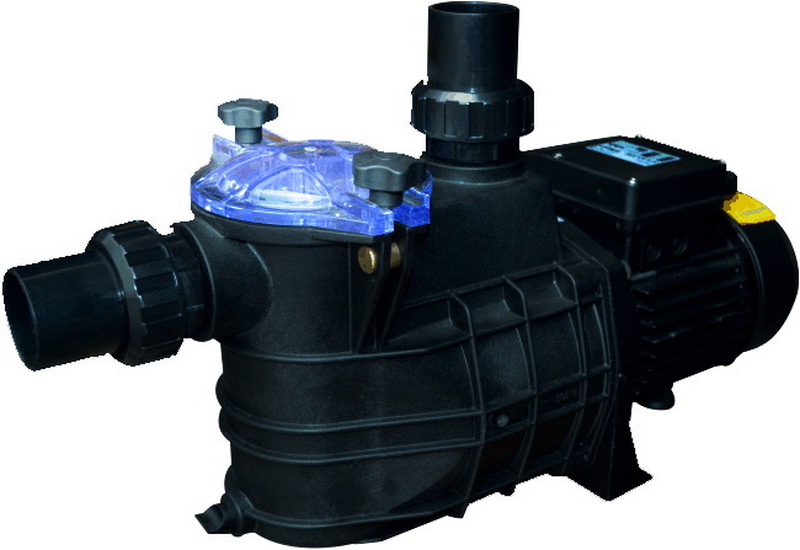
A clogged pool pump often produces weak flow even when the filter pressure is low or normal, and the pump basket may not fill completely with water. A dirty filter typically causes high pressure on the gauge and reduced flow, but the pump basket still fills well. As part of learning how to unclog pool pump issues, always clean or backwash the filter first, then check the pump baskets and impeller.
Running a partially clogged pump is risky because restricted flow forces the motor to work harder, creating heat and cavitation that can damage seals and bearings. If you suspect a clog, shut the system down and follow the steps on how to unclog pool pump components before running it again. Prompt action reduces the chance of expensive pump replacement.
In most residential pools, cleaning the pump basket once or twice per week is sufficient, but during heavy leaf fall or after storms, you may need to check it daily. Regular cleaning greatly reduces how often you must learn how to unclog pool pump impellers and suction lines, because large debris is intercepted before reaching sensitive parts.
Basic tools for how to unclog pool pump systems include a screwdriver or wrench to open the pump lid, a flashlight, a plastic pick or bent wire for impeller cleaning, a garden hose (or drain cleaning bladder) for flushing suction lines, and protective gloves and glasses. For more complex clogs, professionals may use specialized plumbing snakes and high‑pressure water jets.
If the pump continues to lose prime after you learn how to unclog pool pump internals, the cause may be air leaks on the suction side, such as a damaged pump lid O‑ring, loose fittings, or low water level in the pool letting air into the skimmer. Carefully inspect and lubricate the O‑ring, tighten unions, ensure the water level is halfway up the skimmer opening, and try priming again.


