
Views: 222 Author: Tina Publish Time: 2025-07-21 Origin: Site


Content Menu
● What Are Swimming Pool Equipment Enclosures?
● Why Do You Need an Equipment Enclosure?
● Types of Swimming Pool Equipment Enclosures
>> 1. Pool Pump & Filter Enclosures
>> 3. Equipment Boxes and Cabinets
● How to Choose the Right Enclosure
>> Material
>> Size
● Where to Buy Swimming Pool Equipment Enclosures
>> International Manufacturers & Platforms
● Top International Suppliers and Marketplaces
● Buying Tips: What to Watch Out For
● Essential Accessories for Pool Equipment Enclosures
>> 1. What is the best material for a pool equipment enclosure?
>> 2. How do I determine the right enclosure size?
>> 3. Can I install the enclosure myself?
>> 4. How much do enclosures typically cost?
>> 5. Are there enclosures that protect the entire pool and equipment simultaneously?
>> 6. Are swimming pool equipment enclosures necessary for indoor pools?
Swimming pool equipment enclosures are essential for protecting pool systems like filters, pumps, and LED lighting from weather, debris, and theft, while enhancing the overall look of your pool area. Whether you are a homeowner, wholesaler, or commercial pool developer, choosing the right enclosure and knowing where to buy is crucial for safety, durability, and long-term pool performance. In this comprehensive guide, you'll discover everything about swimming pool equipment enclosures, including types, benefits, what to look for when purchasing, leading suppliers, and answers to the most frequently asked questions in the market.

Swimming pool equipment enclosures are protective structures designed to house essential pool machinery and accessories. These covers offer weather resistance, noise reduction, and increased longevity for critical components such as pool filters, pumps, heaters, and lighting systems.
Typically constructed from materials like plastic, PVC, metal, or tempered glass, enclosures can be custom-built or purchased in standard sizes depending on pool type and installation preferences. With the increasing trend towards automation and smart pool systems, enclosures have also adapted to accommodate electronic controls, ensuring electronics are shielded from moisture and environmental damage.
Installing a swimming pool equipment enclosure brings a multitude of benefits:
- Protection from Weather: Equipment like pumps and filters are exposed to sun, rain, snow, and dust. Constant exposure leads to corrosion, premature wear, and breakdowns. An enclosure significantly reduces these risks.
- Enhanced Safety: Electrical components and moving machinery can be hazardous, especially to children and pets. Enclosures prevent accidental contact or tampering, increasing backyard safety.
- Noise Reduction: Pumps and filtration systems often generate continuous noise that can be a nuisance. An enclosure with proper insulation materials helps muffle sounds for a quieter environment.
- Aesthetic Improvement: Pool equipment often looks industrial and detracts from the natural landscape design. Stylish enclosures can blend equipment seamlessly into backyard spaces using color matching, landscaping integration, or decorative finishes.
- Equipment Longevity & Maintenance: Keeping equipment enclosed protects it from pests, leaves, dirt, and debris that otherwise clog or damage filters and valves. This reduces the frequency and cost of maintenance and replacement.
- Energy Efficiency: Some enclosures improve operational efficiency by stabilizing temperatures around pumps and heaters, or by housing LED lighting systems with thermal regulation.
The range of swimming pool equipment enclosures accommodates different needs, sizes, and aesthetics:
These are designed specifically to house sand filters, DE (diatomaceous earth) filters, cartridge filters, and pumps. They can be:
- Above-Ground Enclosures: Freestanding cabinets or boxes placed next to the pool.
- In-Ground Vaults: Built into the ground adjacent to the pool for a low-profile look.
Both types often include ventilation louvers, removable panels, and lockable doors for easy access and security. [Insert image of a typical pump and filter enclosure showing ventilation and access design]
Full pool enclosures are large, often retractable or fixed covers that protect the entire pool area, including water and equipment. They provide benefits such as extending swimming seasons, reducing evaporation and chemical consumption, and enhanced safety.
Many models feature lightweight aluminum frameworks with polycarbonate panels, making them robust yet visually appealing. [Insert video walkthrough of a retractable full pool enclosure in operation]
Compact boxes made from weatherproof plastics or metals protect smaller components such as electrical transformers, heaters, chemical feeders, and LED control units. They can be wall-mounted or freestanding. Versatility allows them to be placed in tight spaces.
For aesthetics-conscious pool owners, decorative enclosures are a growing trend. These might resemble garden sheds, benches, or faux rock formations, cleverly hiding pool equipment while adding charm to the landscape. Some even integrate seating or planters for dual functionality. [Insert images comparing standard vs. decorative equipment enclosures]
Choosing the perfect enclosure involves a balance of practical features and design elements:
- Plastic/PVC: Cost-effective, lightweight, UV-resistant varieties like high-density polyethylene (HDPE) are common for boxes and cabinets.
- Metal: Powder-coated aluminum or galvanized steel provide durability and security but can be heavier.
- Wood: Provides beautiful natural aesthetics but requires more maintenance and may not be as moisture resistant.
- Glass/Polycarbonate: Used primarily for full pool enclosures, offering weather resistance and light transmission.
Proper sizing is critical to accommodate all equipment with enough room for airflow and maintenance. Measure the equipment's dimensions, including hoses and cables, and add 15% to 20% extra space.
Look for enclosures with easy-to-open panels, doors with secure latches, and sufficient ventilation — either passive louvers or mechanical vents — to reduce heat build-up.
Choose enclosures that blend with your backyard theme or commercial design. For homes, customizable color options and decorative finishes are beneficial. Commercial sites may prioritize functionality and code compliance.
Ensure the enclosure meets local safety and electrical regulations — look for certifications such as UL, CE, and ISO standards depending on your region.
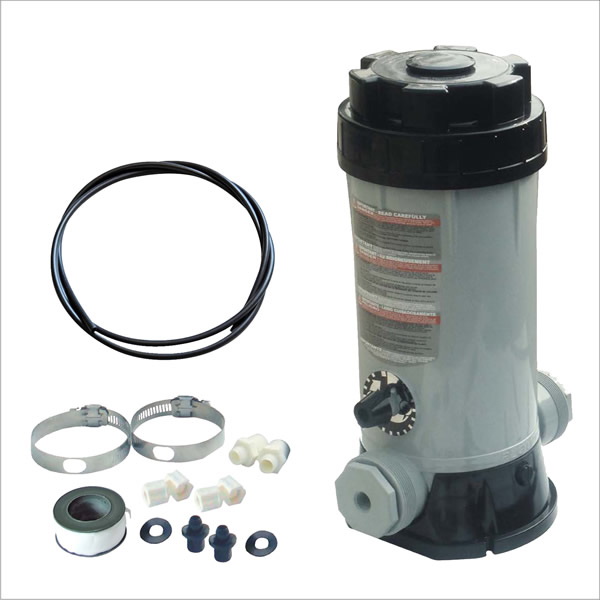
Knowing where to purchase quality enclosures saves time and ensures you get a product that lasts.
- My Pool Direct (UK/EU)
Offers bespoke telescopic and retractable pool enclosures. They specialize in custom designs with rapid delivery and professional installation support.
- 1st Direct Pools (UK)
Provides a wide range of pool enclosures, including branded ALBIXON models. They boast next-day delivery on many products — excellent if speed is a priority.
- PoolStore (UK)
Stockists of standard-sized, affordable enclosures with easy online ordering and installation tips.
- Swimex (Specialist Provider)
Famous for luxury full pool enclosures, Swimex provides custom project management for residential and commercial pools worldwide.
- Aquinium
Features premium retractable, durable enclosures designed for year-round pool protection in varying climates.
- IndiaMART
Large Indian marketplace providing various plastic and metal equipment enclosures for pools, with options for wholesale purchases and customization. Offers detailed product videos and technical specs online.
- Made-in-China
Directly connect with Chinese manufacturers and OEMs offering versatile enclosure types — from simple boxes to advanced full-pool covers and smart enclosures with integrated LED lighting and automation compatibility. Competitive pricing and MOQ flexibility are suited to foreign brand owners and wholesale buyers.
- Etsy & eBay
For smaller-scale or decorative enclosures, these platforms feature many independent craftspeople and sellers offering unique, customizable products ideal for residential backyard pools.
| Supplier | Region | Types of Enclosures | Features | Best For |
|---|---|---|---|---|
| My Pool Direct | UK/EU | Telescopic, bespoke, retractable | Customizable, luxury | Homeowners, Commercial |
| PoolStore | UK | Rigid, retractable, fixed | Fast delivery, standard | Residential customers |
| IndiaMART | India | Plastic, LDPE, PVC, custom | Wholesale, bulk orders | Dealers, Installers |
| Made-in-China | China | Retractable, glass, metal | OEM, MOQ flexibility | Global B2B and OEM |
| SwimOutlet | USA | Boxes, covers, accessories | Wide variety, fast shipping | Homeowners, Commercial |
- Verify Certifications: ISO 9001 or CE certifications indicate compliance with industry safety and quality standards.
- Warranty & After-Sales Service: Choose suppliers that offer warranties and responsive customer support.
- Consider Climate: Enclosures designed for harsh climates (high UV, salt exposure) require premium materials.
- Review Shipping Terms: Especially with overseas suppliers, factor in shipping fees, customs, taxes, and delivery lead times.
- Installation Requirements: Some enclosures require professional installation; plan and budget accordingly.
- Read Customer Reviews: Honest feedback helps identify potential issues or strengths.
- Ventilation Louvers: Crucial for preventing overheating—available in passive or powered forms.
- Security Locks: Child- and theft-proof locks safeguard equipment.
- Weatherproof Cable Grommets: Maintain sealed access points for power and water lines.
- Removable or Retractable Panels: For easier maintenance without disassembling the entire enclosure.
- Anchor and Mounting Kits: Ensure stability on concrete, grass, or wooden decks.
Swimming pool equipment enclosures are a vital investment for anyone operating or maintaining a pool, whether residential or commercial. They safeguard critical systems, improve safety, reduce noise, and enhance aesthetics, all while extending equipment lifespan and reducing maintenance costs. Selecting the right enclosure involves careful consideration of materials, size, ventilation, and design to fit your specific needs.
For the best purchasing experience, consider reputable specialty suppliers and international platforms that offer customizable options and OEM services. Be mindful of certifications, warranties, and customer reviews to ensure your investment delivers value and peace of mind for years to come.
UV-stabilized plastics like HDPE or PVC, powder-coated aluminum, and stainless steel are excellent choices. These materials resist corrosion, UV degradation, and moisture, offering long-term durability with minimal maintenance.
Measure all equipment dimensions, including pipes and hoses. Add at least 15-20% extra space for airflow and ease of maintenance. Consult with the supplier to recommend the appropriate model based on your equipment.
Many prefab enclosures are designed for DIY with instructions and included hardware. However, custom or large-scale full pool enclosures often need professional installation to ensure safety and longevity.
Basic equipment boxes can start as low as $50–$100, while mid-range pump and filter cabinets range $200–$600. Luxury or full pool retractable enclosures range from $3,000 to upwards of $15,000 depending on size, features, and materials.
Yes. Retractable or fixed full pool enclosures cover the pool water and poolside equipment, offering year-round protection, noise reduction, and improved energy efficiency.
Indoor pools still benefit from enclosures around equipment to reduce noise, consolidate equipment, and protect electronics from humidity and chlorinated air.


